Spring Pet Health Checklist for Bethesda Dog and Cat Owners


Spring Pet Health Checklist for Bethesda Dog and Cat Owners
Spring in Bethesda brings blooming flowers, longer days, and a fresh sense of renewal; it also signals seasonal changes that can impact your pet’s health and wellbeing. As the weather warms and your family heads outdoors, your dog or cat may face new risks such as allergies, fleas, ticks, and abrupt temperature shifts. At Bradley Hills Animal Hospital, located at 7210 Bradley Blvd, Bethesda, MD 20817, our veterinary team is dedicated to helping pets in Bethesda and surrounding communities stay happy and healthy through every season. In this spring pet health checklist, we’ll guide you through allergy prevention tips, parasite checks, and routine care tailored for the unpredictable conditions that March often brings in Maryland. You’ll learn how to spot signs of seasonal problems, what causes them, and how regular veterinary care supports your pet’s wellbeing during the spring months.
If you’re preparing for your pet’s spring wellness visit, or just want practical advice on keeping your furry friend comfortable, our veterinarians are here to help you schedule a thorough checkup and answer all your questions. We’ll also share how our comprehensive physical exams and preventive care programs at Bradley Hills Animal Hospital can set your pet up for a healthy, joyful spring.
Recognizing Springtime Pet Health Issues
As the landscape changes in spring, so do the health risks for dogs and cats. It’s important to recognize the early warning signs of seasonal problems so you can address them before they escalate. Many pet owners notice an increase in scratching, sneezing, or licking as springtime allergens fill the air. Dogs may develop red, itchy skin or start chewing their paws after outdoor walks, while cats might begin sneezing or show watery eyes as pollen counts rise. Other symptoms to watch for are ear infections, sudden hair loss, or the presence of fleas and ticks on your pet’s fur.
Outdoor activities become more frequent in spring, which means your pet may be exposed to more environmental hazards. For example, muddy yards can harbor parasites, and freshly cut grass or blooming plants may trigger allergic reactions in sensitive pets. Unpredictable weather in Bethesda can also mean sudden cold snaps or wet conditions, which might aggravate arthritis symptoms, especially in senior pets.
If your pet is showing any combination of persistent scratching, inflamed skin, coughing, sneezing, unusual lethargy, or visible parasites, these could be signs that springtime changes are affecting their health. Being observant and noting these symptoms will help you and your veterinarian determine the best plan for your pet’s care as the season unfolds.
What Causes Spring Health Risks for Pets?
Several factors contribute to the seasonal health challenges pets face each spring in Bethesda. One major culprit is the surge in environmental allergens. Trees, grasses, and flowers release pollen, which can settle on your pet’s skin or be inhaled, triggering allergic reactions. Dogs and cats may be genetically predisposed to allergies, making them more sensitive to these airborne particles.
Another concern is the increased activity of fleas, ticks, and mosquitoes as temperatures rise. These parasites thrive in the warmer, moist conditions of spring. Fleas and ticks can hitch a ride on your pet after a stroll around your neighborhood or a romp in the local park, while mosquitoes become more prevalent and pose the risk of heartworm transmission—an especially serious concern for both dogs and cats in Maryland.
Wet weather and rapidly changing temperatures can aggravate existing medical conditions. Pets with arthritis may find that damp or chilly spring days worsen their joint discomfort. Additionally, more time spent outdoors increases the chances of accidental ingestion of toxic plants, exposure to lawn chemicals, or encounters with wildlife carrying diseases.
The transition from indoor winter living to outdoor spring activities also means pets may be exposed to hazards they have not encountered for several months. Understanding these causes helps pet owners take proactive steps to minimize risks and keep their dogs and cats safe and comfortable as the seasons change.
Professional Veterinary Care for Spring Wellness
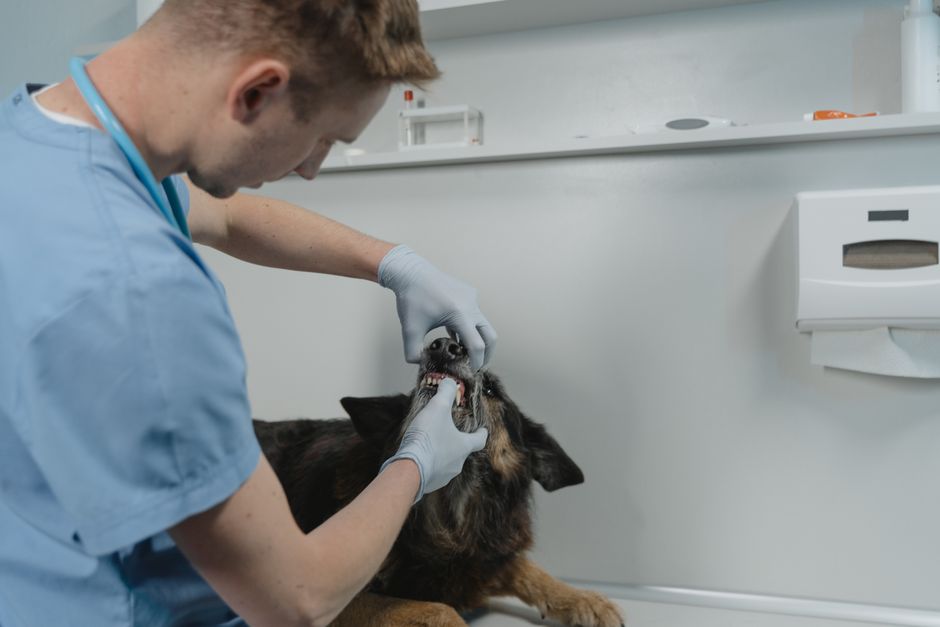
Professional veterinary care plays a vital role in helping your dog or cat transition smoothly into spring. Scheduling a wellness examination each spring allows your veterinarian to assess your pet’s overall health, update necessary vaccinations, and discuss any changes in behavior or appearance you’ve noticed at home. During this visit, your veterinary team will perform a thorough physical exam, checking for early signs of allergies, skin issues, or parasite infestations. Preventive care may include vaccination services to protect against diseases more common in warmer months, as well as heartworm prevention and flea or tick control tailored to your pet’s lifestyle.
If your pet is experiencing symptoms such as itchiness, recurrent ear infections, or skin redness, your veterinarian may recommend specialized diagnostics like allergy testing or dermatology services to determine the root cause and develop a customized treatment plan. For pets with chronic conditions like arthritis, spring is an ideal time to evaluate mobility and adjust medications or therapies as needed to ensure comfort during increased activity.
Routine laboratory screenings, such as heartworm testing, are especially important in spring before mosquito season peaks. These tests help catch health issues early, allowing for prompt treatment and better outcomes. Your veterinarian may also discuss nutrition, weight management, and safe outdoor practices specific to the Bethesda region, ensuring your pet is well-prepared for all the adventures spring has to offer.
Home Care and Prevention Tips for Spring
While professional veterinary care is essential, there are many steps you can take at home to support your pet’s wellbeing throughout the spring. Regular grooming is one of the simplest ways to reduce pollen and allergens trapped in your pet’s fur; brushing your dog or cat after outdoor activities helps remove environmental irritants and keeps their coat healthy. Bathing as recommended by your veterinarian can also soothe itchy skin and wash away allergens.
Inspect your pet daily for fleas, ticks, or other signs of parasites, especially after walks or playtime in grassy areas. Using veterinarian-approved flea and tick preventives year-round is the most reliable way to shield your pet from infestations. Heartworm preventives should also be administered consistently according to your veterinarian’s instructions, as mosquitoes can transmit heartworm disease even in early spring.
Keep your yard tidy by removing leaf litter, trimming tall grass, and avoiding the use of chemicals or fertilizers that could be harmful if ingested by curious pets. Monitor your pet for any changes in appetite, energy, or behavior, as these can be early warning signs of health problems. Senior pets or those with mobility challenges may benefit from soft bedding, ramps, or joint supplements to help them stay active and comfortable during the damp spring months.
Limiting exposure to known allergens when possible and wiping your pet’s paws after walks can further reduce the risk of allergic reactions. If you notice persistent symptoms, such as excessive scratching or respiratory issues, reach out to your veterinarian for guidance and support.
When to Seek Veterinary Care for Spring Concerns
Knowing when to seek veterinary care can make all the difference in your pet’s health outcome during the unpredictable spring months. You should schedule an appointment with your veterinarian if your dog or cat has persistent itching, skin redness, hair loss, or hot spots that do not resolve with basic grooming. Frequent sneezing, coughing, or watery eyes that last for more than a few days may indicate allergies or an underlying respiratory condition requiring medical attention.
Signs of parasite infestation, such as visible fleas, ticks, or worms in your pet’s stool, warrant immediate consultation with your veterinary team. Lethargy, loss of appetite, vomiting, or sudden changes in behavior should also prompt a visit, as these can signal more serious health issues. For pets with existing medical conditions, worsening symptoms like limping, stiffness, or reluctance to move should be addressed promptly to ensure your pet’s comfort and mobility.
Spring is also the perfect time to discuss preventive care with your veterinarian. Regular comprehensive physical exams, annual vaccination services, and proactive screening for parasites or allergies can prevent small issues from becoming major health concerns. If you are unsure whether a symptom requires veterinary attention, it is always safest to call your local animal hospital for personalized advice.
Your Trusted Bethesda Veterinary Partner for Spring Wellness
As spring brings excitement and new adventures to Bethesda and the surrounding communities, staying vigilant about your pet’s health ensures they enjoy the season to the fullest. By recognizing the signs of springtime issues, understanding the causes, and partnering with your veterinary professionals at Bradley Hills Animal Hospital, you can help your furry family member thrive all year long. Our compassionate team is here to support you with preventive care, diagnostics, and expert guidance tailored to the unique needs of your dog or cat.
If you are searching for a veterinarian near me who understands the specific challenges pets face in the Bethesda region, look no further than Bradley Hills Animal Hospital. Schedule your pet’s spring wellness exam today by calling (301) 365-5448 or visiting our convenient Bethesda location. Our veterinary team is always here to answer your questions and provide the comprehensive care your pet deserves. For more information about our comprehensive physical exams or to learn about our complete range of springtime preventive services, reach out to us today. Together, we’ll help your pet greet the new season with health, happiness, and plenty of tail wags or purrs.
This blog is intended for informational purposes only and should not be considered a substitute for professional veterinary advice. If your pet is experiencing health issues, always consult your veterinarian promptly.