Pet Dental Care: Keep Your Dog or Cat’s Smile Healthy

Pet Dental Care: Keep Your Dog or Cat’s Smile Healthy
Are you worried about your dog or cat’s bad breath or noticing signs of dental discomfort? At Bradley Hills Animal Hospital, located on 7210 Bradley Blvd, Bethesda, MD 20817, we understand how important your pet’s oral health is to their overall wellbeing. Dental problems are one of the most common health issues affecting pets in Bethesda and surrounding communities, often leading to pain, infection, and even more serious medical concerns if left untreated. In this article, we’ll explore how to recognize dental disease in dogs and cats, why professional dental care matters, and how routine attention to your pet’s teeth can help them live a happier, healthier life. Whether you’re concerned about bad breath, visible tartar, or just want to keep your pet’s smile sparkling, our veterinary team is here to help with comprehensive dental care, including professional teeth cleaning for dogs and cats and advanced diagnostics. Keep reading to learn the signs of dental trouble, what causes dental disease, and how you can support your pet’s oral health at home and with the help of our experienced veterinarians.
Recognizing Dental Problems in Dogs and Cats
Dental disease is often called a “silent” health problem in pets because the early symptoms can be subtle or mistaken for normal aging. However, untreated dental issues can cause significant discomfort and lead to systemic health problems. Knowing what to watch for can help you catch dental disease early and ensure your pet receives timely care.
Common warning signs of dental issues in dogs and cats include persistent bad breath that doesn’t improve with diet changes, yellow or brown tartar buildup along the gumline, red or bleeding gums, drooling that seems excessive or unusual for your pet, and difficulty eating or chewing food. Some pets may paw at their mouth, drop food while eating, or avoid hard treats they once enjoyed. You might also notice swelling around the face or jaw, loose or missing teeth, or behavioral changes such as irritability or withdrawal.
Cats are especially skilled at hiding pain, so subtle signs like decreased grooming, hiding, or a sudden preference for soft food can be clues that something is wrong. Dogs may become less playful or appear reluctant to have their mouths touched. If you observe any of these signs, it’s important to schedule a dental evaluation for your pet as soon as possible.
Why Dental Disease Happens in Pets
Understanding the factors that contribute to dental disease in dogs and cats can help you take proactive steps to prevent it. The most common cause is the gradual buildup of plaque, a sticky film of bacteria that forms on teeth after meals. If not regularly removed through brushing or professional cleanings, plaque hardens into tartar, which can irritate the gums and lead to inflammation known as gingivitis.
Over time, untreated tartar and gingivitis can progress to periodontal disease. This condition affects the tissues and bone supporting the teeth, leading to discomfort, tooth loss, and the risk of bacteria entering the bloodstream. Small breed dogs and certain cat breeds are particularly prone to dental problems due to the shape of their jaws and teeth, but all pets are at risk without consistent dental care.
Other factors that influence your pet’s dental health include age, genetics, diet, and even certain medical conditions. Older pets are more likely to develop dental disease, while some breeds—like Greyhounds, Dachshunds, and Persians—require extra attention due to crowded teeth or jaw alignment. Feeding only soft food, not providing chew toys, or skipping home dental care can also increase your pet’s risk.
How Professional Veterinary Dental Care Helps
While home care is important, professional veterinary dental care is essential for preventing and treating dental disease in pets. At Bradley Hills Animal Hospital, our team provides comprehensive dental services that go beyond what you can achieve at home.
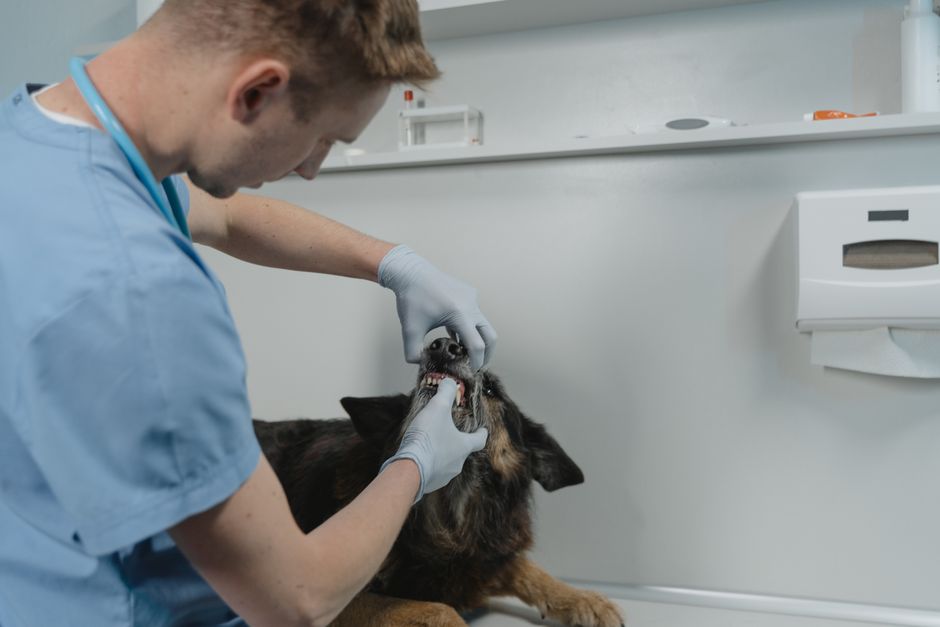
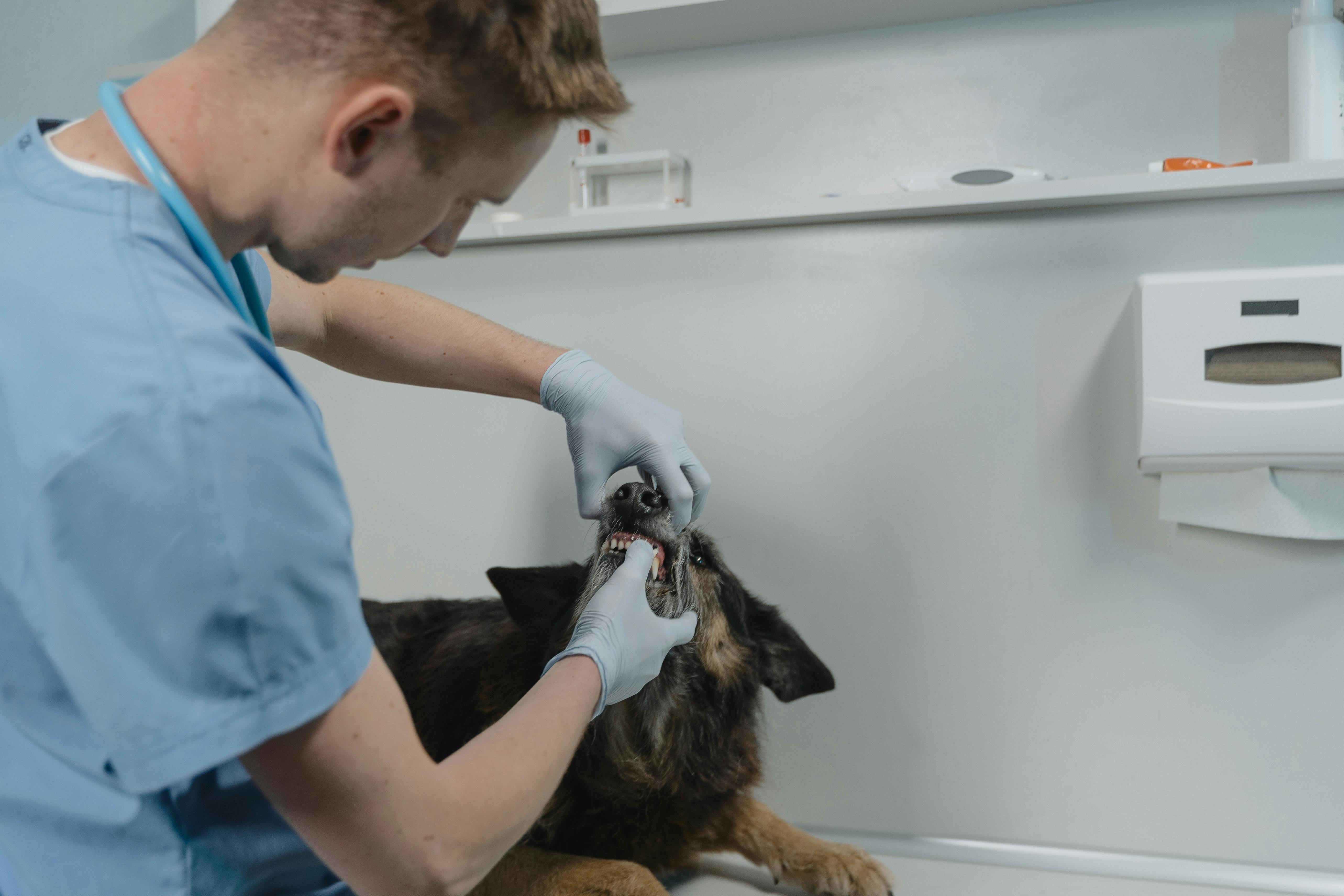
During a dental visit, your pet will receive a thorough oral examination under anesthesia, allowing us to evaluate every tooth, the gums, and the structures below the gumline. This is crucial because many dental problems are invisible to the naked eye. We use dental radiographs for pet oral health assessment to identify issues such as tooth root infections, fractures, or bone loss that would otherwise go undetected.
Professional teeth cleaning for dogs and cats involves the careful removal of plaque and tartar both above and below the gumline using specialized instruments. Our veterinarians will polish your pet’s teeth to smooth the surfaces and help prevent future buildup. If we discover loose, damaged, or infected teeth, we may recommend dental extraction procedures for pets to relieve pain and restore oral health. In some cases, advanced dental surgery for pets may be necessary to address severe disease or oral tumors.
Each dental procedure at Bradley Hills Animal Hospital is tailored to your pet’s individual needs, with careful monitoring to ensure safety and comfort. Our veterinary professionals use modern anesthesia protocols and pain management, so your pet’s experience is as stress-free as possible. After the procedure, we’ll provide you with detailed home care instructions and schedule follow-up visits to keep your pet’s mouth healthy.
Home Dental Care: What You Can Do
Supporting your pet’s dental health at home is one of the best ways to reduce their risk of dental disease and extend the benefits of professional cleanings. Daily tooth brushing is the gold standard for both dogs and cats and can dramatically reduce plaque buildup. Use a pet-safe toothbrush and toothpaste—never human toothpaste, as it can be toxic to pets. Start slowly and make the experience positive with praise and rewards.
If your pet resists brushing, there are alternatives that can help. Dental chews, water additives, and special dental diets are designed to reduce tartar formation. Look for products approved by the Veterinary Oral Health Council (VOHC), as these have been tested for effectiveness. Providing safe chew toys can also help keep your pet’s teeth clean while providing mental stimulation.
Regularly inspecting your pet’s mouth at home can help you catch early signs of trouble. Lift the lips to look for redness, swelling, or foul odor. Monitor for changes in eating habits or behavior, and note any drooling or reluctance to chew. The more familiar you are with your pet’s normal habits, the quicker you’ll spot anything unusual.
Remember, even the best home care can’t replace periodic professional dental evaluations. Combining daily care with routine veterinary checkups is the most effective way to protect your pet’s oral health.
When to Schedule a Veterinary Dental Appointment
It’s important to know when your pet’s dental health needs professional attention. Schedule an appointment with our veterinary team if you notice persistent bad breath, visible tartar, red or bleeding gums, difficulty eating, or any changes in your pet’s behavior that could be related to oral pain. Pets with loose or broken teeth, facial swelling, or visible oral masses should be seen as soon as possible.
Puppies and kittens should have their teeth checked during routine wellness visits, as early intervention can prevent problems later in life. Adult pets benefit from annual dental evaluations, though some may need more frequent checkups depending on their breed, age, and health status. Senior pets are especially vulnerable to dental disease and should have their mouths examined regularly.
If your pet has had dental work in the past, such as extractions or treatment for periodontal disease, follow your veterinarian’s recommendations for follow-up care. Prompt attention to any new symptoms can prevent complications and keep your pet comfortable.
Bradley Hills Animal Hospital recommends preventive dental care as part of every pet’s wellness plan. Our dental cleaning and radiology services for pets are designed to catch problems early and provide the best possible outcomes for your dog or cat.
The Importance of Regular Dental Care for Your Pet’s Health
Maintaining your dog or cat’s dental health is about more than just a fresh smile—it’s a key part of their overall wellbeing. Dental disease can lead to chronic pain, difficulty eating, and even serious conditions affecting the heart, kidneys, and other organs. By taking a proactive approach to oral care, you can help your pet live a longer, happier life.
At Bradley Hills Animal Hospital in Bethesda, our veterinarians are dedicated to providing high-quality dental care tailored to your pet’s unique needs. We combine advanced diagnostic tools, gentle techniques, and compassionate attention to ensure every pet receives the care they deserve. Whether your pet needs a routine cleaning or treatment for a dental problem, we’re here to support you every step of the way.
If you’re searching for a "vet near me" who truly understands the importance of dental health for your dog or cat, we invite you to reach out to us. You can schedule a dental consultation or comprehensive exam by calling (301) 365-5448 or visiting our Bethesda location. Our veterinary professionals are always happy to answer your questions, discuss home care tips, and develop a preventive dental care plan for your pet.
Your pet’s comfort and health are our top priorities. Don’t let dental disease go unnoticed—take the first step toward a healthier, happier pet by contacting our team today. For more information about our dental services, visit our page on teeth cleaning for dogs and cats. If you have questions or want to schedule an appointment, call (301) 365-5448 and let Bradley Hills Animal Hospital help your pet smile with confidence.