Senior Pet Care Tips for Bethesda Dog and Cat Owners
Senior Pet Care Tips for Bethesda Dog and Cat Owners
As your beloved dog or cat grows older, their needs start to change in ways that can be both subtle and significant. Many Bethesda pet owners find themselves wondering how best to support their aging companions, especially when issues like aching joints, changes in appetite, or shifting energy levels arise. At Bradley Hills Animal Hospital, located at 7210 Bradley Blvd, Bethesda, MD 20817, our veterinary team understands the unique challenges and joys of caring for senior pets. This guide will help you recognize the signs of aging in your dog or cat, explain why these changes occur, offer practical care strategies, and let you know when it’s time to schedule a veterinary visit.
Whether you’re noticing your pet slowing down or simply want to ensure their golden years are as comfortable as possible, you’ll find compassionate, expert advice here. Our team is committed to providing high-quality senior pet care to families throughout Bethesda and surrounding communities, combining advanced medical knowledge with a supportive approach for both you and your pet.
Recognizing the Signs of Aging in Your Dog or Cat
Aging is a gradual process, and the signs can sometimes be easy to overlook. For many pet owners, the first indicators are small: perhaps your dog takes longer to get up after a nap, or your cat isn’t quite as interested in jumping onto the windowsill as she used to be. Key symptoms of aging in dogs and cats include decreased mobility, stiffness or limping, changes in appetite or weight, cloudy eyes or diminished vision, hearing loss, increased thirst or urination, and changes in grooming habits. Additionally, some pets might experience dental problems, develop new lumps or bumps on their skin, or become more anxious or withdrawn.
Behavioral changes are another important consideration. Senior pets might seem less tolerant of children or other animals, or they may become confused in familiar surroundings. If your dog or cat begins having accidents in the house, paces at night, or seems disoriented, these could be signs of cognitive decline. While some of these changes are a normal part of aging, others can indicate underlying health concerns that require veterinary attention.
Why Do Senior Pets Experience These Changes?
Much like humans, dogs and cats experience physical and metabolic changes as they age. Older pets often have a slower metabolism, leading to weight gain or loss depending on their activity level and appetite. Joint cartilage naturally wears down, resulting in arthritis and decreased mobility. The immune system also becomes less robust, making senior pets more susceptible to infections, illnesses, and even some types of cancer.
Dental disease is particularly common in senior animals, as years of tartar buildup can lead to gum inflammation, tooth loss, or even infections that affect other organs. Internal organs like the kidneys, liver, and heart can lose efficiency over time, sometimes resulting in chronic conditions that require ongoing management. Additionally, the senses of sight, hearing, and even smell may diminish, making it more challenging for your pet to navigate their environment.
Cognitive dysfunction, similar to dementia in humans, can also affect older pets. This condition causes disorientation, memory loss, and changes in sleep patterns. Understanding these biological changes can help pet owners provide more empathetic and effective care as their dog or cat ages.
Professional Treatment and Management for Senior Pets
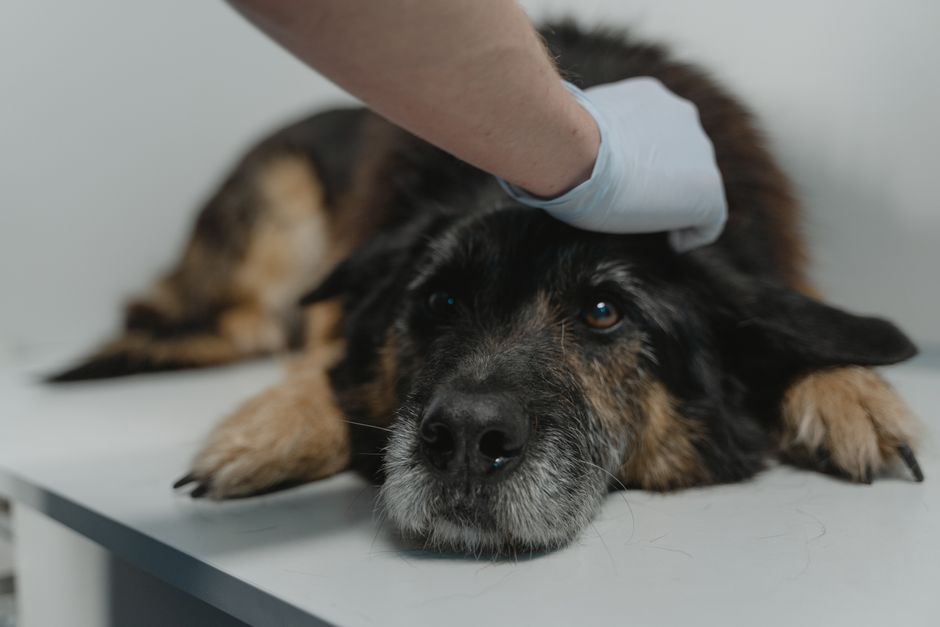
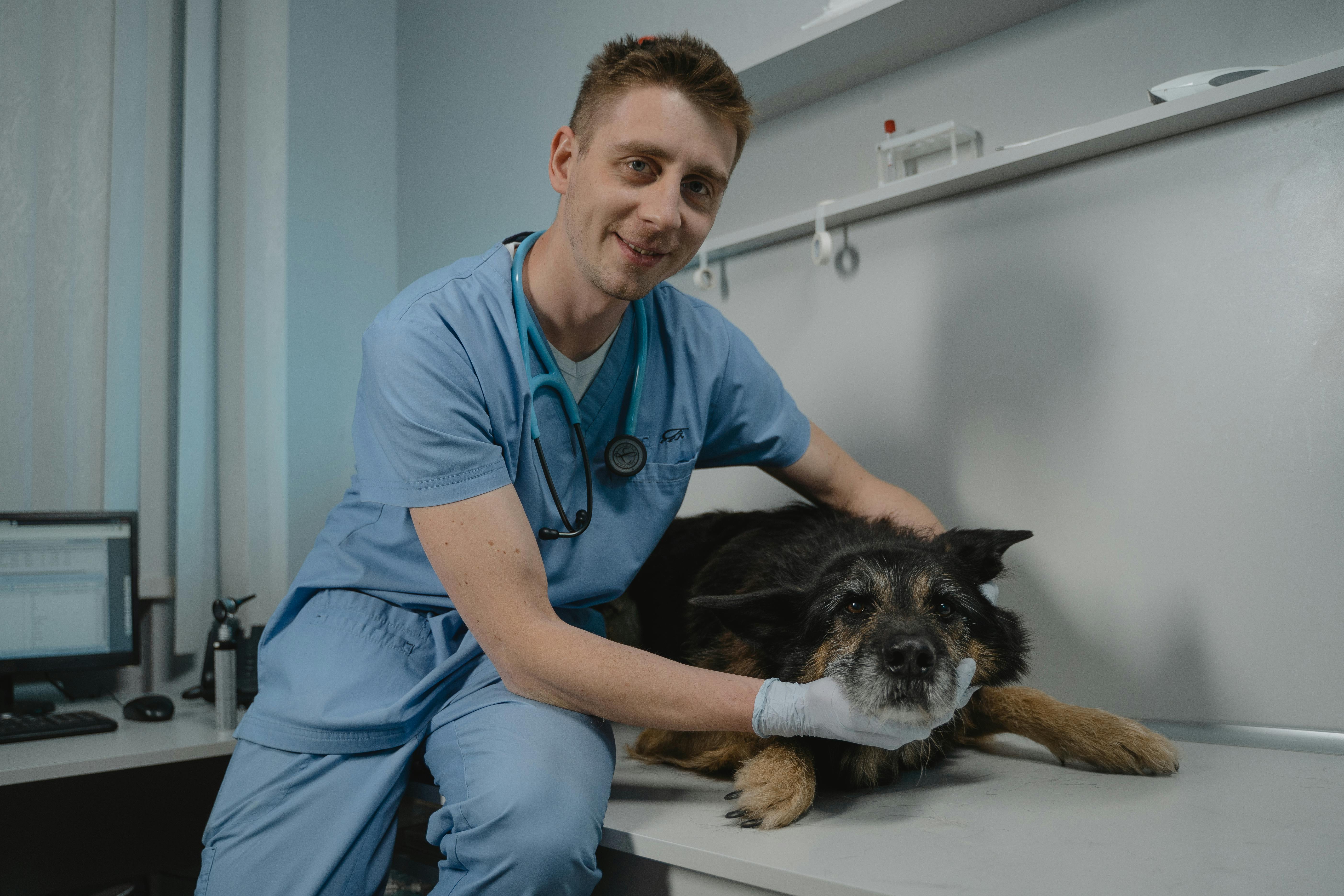
Proactive veterinary care is the cornerstone of helping your dog or cat enjoy a healthy, comfortable senior life. At Bradley Hills Animal Hospital, our team recommends regular checkups tailored specifically for older pets. Scheduling senior pet care services ensures that conditions like arthritis, kidney disease, or dental issues are detected early and managed effectively. We often suggest semi-annual comprehensive exams for senior pets, as their health status can change more quickly than that of younger animals.
During these visits, our veterinarians will conduct a thorough physical examination, review your pet’s medical history, and may recommend diagnostic tests such as bloodwork, urinalysis, or imaging to check organ function and screen for common age-related diseases. If mobility is a concern, our arthritis care and management services can help alleviate discomfort through a combination of medications, supplements, and lifestyle adjustments.
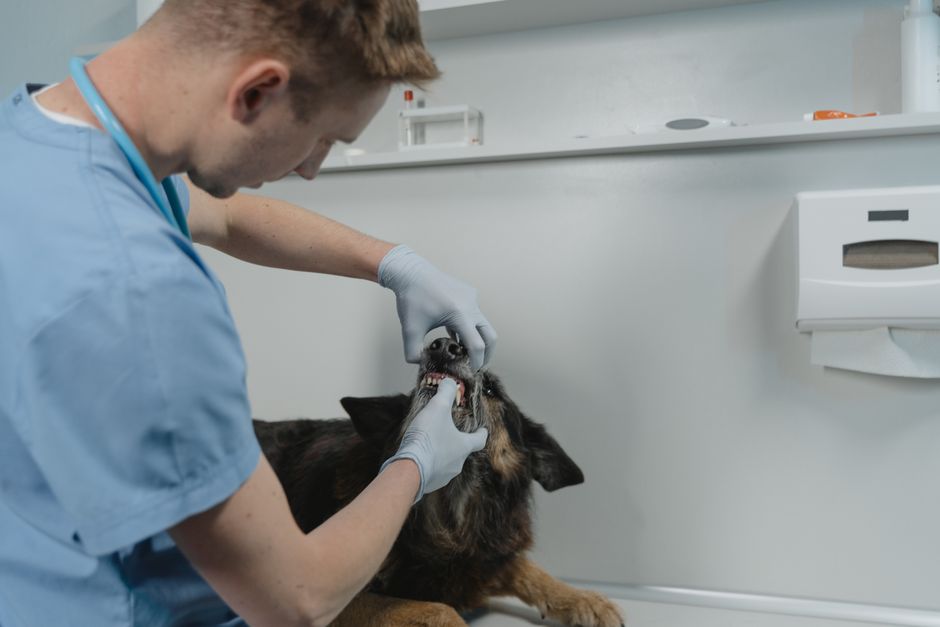
Dental health is another crucial aspect of senior pet care. Professional cleanings, dental radiographs, and extractions when necessary can prevent painful infections and protect your pet’s overall health. For pets exhibiting new lumps, persistent coughing, or unexplained weight loss, advanced diagnostics and cancer evaluation services are available to determine the best path forward.
Our veterinary team works closely with each pet owner to develop individualized care plans, taking into account your pet’s unique needs, lifestyle, and family situation.
Home Care and Prevention: Supporting Your Senior Pet’s Comfort
While regular veterinary visits are essential, there is much you can do at home to help your aging pet thrive. Nutrition plays a key role; many senior pets benefit from diets formulated for their age, which may include joint-supporting ingredients, easily digestible proteins, and lower calories to prevent weight gain. Make sure your pet has easy access to food and water, especially if arthritis limits their movement.
Environmental modifications can have a big impact. Providing soft bedding, ramps for furniture or stairs, and non-slip mats can make your home safer and more comfortable for pets with mobility issues. For cats, consider placing litter boxes on every level of your home and opting for low-sided boxes to make entry easier. Gentle, regular exercise helps maintain muscle tone and joint flexibility; short walks for dogs or interactive play for cats can keep them active without overexertion.
Maintaining a consistent daily routine reduces anxiety and helps pets with cognitive changes feel more secure. Regular grooming sessions not only keep your pet clean but also provide an opportunity to check for new lumps, skin changes, or signs of discomfort. Monitor your dog or cat’s appetite, water intake, and bathroom habits closely, as changes can signal health problems that need veterinary attention.
Finally, dental care at home, such as brushing your pet’s teeth if they tolerate it or using dental chews recommended by your veterinarian, can help prevent painful conditions and support overall wellbeing.
When to Schedule a Veterinary Visit for Your Senior Pet
Knowing when to seek professional help is key to keeping your senior pet healthy and happy. Schedule a veterinary appointment if you notice sudden or significant changes in your dog or cat’s behavior, appetite, weight, or mobility. Warning signs that require prompt attention include persistent vomiting or diarrhea, difficulty breathing, sudden weakness or collapse, open wounds that do not heal, or any signs of pain such as whimpering, reluctance to move, or hiding.
If your pet develops new lumps, experiences seizures, or shows changes in vision or hearing, a comprehensive examination is needed to rule out treatable conditions. Regular checkups remain essential even if your pet appears healthy, as many age-related diseases can be managed more effectively when caught early. Our team encourages you to reach out if you have any questions or concerns about your pet’s health between scheduled visits.
You can learn more about what to expect from a comprehensive physical exam or explore our approach to lameness and arthritis treatments if your senior pet is struggling with mobility.
Supporting Your Senior Dog or Cat in Bethesda and Beyond
Caring for an aging dog or cat brings new responsibilities, but it also deepens the bond you share with your companion. By staying attentive to their changing needs, providing a supportive home environment, and partnering with a dedicated veterinary team, you can help your pet enjoy their golden years with comfort and dignity.
If you are searching for a trusted "vet near me" for senior pet care in Bethesda, Bradley Hills Animal Hospital is here to support you every step of the way. We are proud to serve pet owners in Bethesda and surrounding communities, offering compassionate, comprehensive care tailored to the unique needs of older dogs and cats.
To schedule an appointment or discuss your senior pet’s health, call us at (301) 365-5448 or visit our Bethesda location. Our veterinary professionals look forward to working with you to keep your cherished companion healthy, comfortable, and happy for years to come. For additional information about our senior pet care services, please explore our website or contact our team directly.