Heartworm Testing: Protecting Your Bethesda Dog or Cat This Spring

Heartworm Testing: Protecting Your Bethesda Dog or Cat This Spring
As spring arrives in Bethesda and the days grow warmer, many pet owners begin enjoying more time outdoors with their dogs and cats. While these outings are a wonderful way to bond and keep your pet active, they also bring an increased risk of exposure to mosquitoes—the primary carriers of heartworm disease. At Bradley Hills Animal Hospital, located at 7210 Bradley Blvd, Bethesda, MD 20817, we want to help you understand why heartworm testing is a vital part of your pet’s preventive care. In this post, we’ll explain how heartworm testing works for both dogs and cats, what signs to watch for, and the steps you can take to keep your furry family members safe as springtime brings a surge in mosquito activity across Bethesda and surrounding communities.
You’ll learn about the importance of routine screening, what to expect during a heartworm test at our clinic, and practical prevention tips tailored to our local area. If you’re looking for guidance on heartworm testing in Bethesda, or want to ensure your dog or cat is protected this season, you’re in the right place.
Understanding Heartworm Disease in Pets
Heartworm disease is a potentially life-threatening condition caused by parasitic worms called Dirofilaria immitis. These parasites are transmitted through the bite of an infected mosquito. Once inside your pet’s body, heartworm larvae mature and settle in the heart, lungs, and nearby blood vessels, leading to serious health complications over time.
Both dogs and cats are susceptible to heartworm infection, but the disease often progresses differently in each species. Dogs are natural hosts and can harbor dozens of worms, while cats typically have fewer worms but may experience severe respiratory symptoms or sudden complications. The risk of heartworm disease rises during warmer months, as mosquito populations thrive in Bethesda’s spring and summer climate.
Many pet owners are surprised to learn that indoor pets are still at risk. Mosquitoes can easily enter homes, so keeping up with heartworm prevention is essential for every dog and cat, regardless of lifestyle.
Recognizing the Signs: When Heartworm Testing Is Needed
Heartworm disease can be difficult to detect in its early stages, as symptoms may be subtle or absent for months. By the time visible signs appear, the disease may have already caused significant damage. That’s why proactive heartworm testing is so important, particularly as spring brings more mosquitoes to the Bethesda area.
In dogs, early symptoms of heartworm infection include a mild cough, fatigue after moderate activity, reluctance to exercise, and decreased appetite. As the disease progresses, dogs may develop labored breathing, a persistent cough, noticeable weight loss, or a swollen abdomen due to fluid buildup. In severe cases, heart failure or sudden collapse can occur.
Cats, on the other hand, may show signs that mimic other respiratory or gastrointestinal conditions. Symptoms in cats include coughing, wheezing, vomiting, or sudden episodes of difficulty breathing. Occasionally, heartworm disease in cats leads to sudden death even before clear symptoms develop. Because of these risks, our veterinary team recommends regular heartworm testing for both dogs and cats—even if your pet appears healthy.
Why Heartworm Testing Matters for Bethesda Pets
The heartworm lifecycle means that pets can be infected for months before testing positive or showing any symptoms. Regular heartworm testing enables early detection, which is critical for effective treatment and preventing complications. Annual testing is generally recommended for all dogs, even those on year-round prevention. Cats should also be tested, especially if they go outdoors or have missed doses of prevention.
At Bradley Hills Animal Hospital, we follow the guidelines set by the American Heartworm Society and the Maryland Veterinary Medical Association, always tailoring our recommendations to the specific needs of your pet and our local Bethesda environment. Spring is an ideal time to have your pet’s heartworm status checked, since mosquito populations are on the rise and prevention is most effective when started or continued before peak mosquito season.
How Heartworm Testing Works at Bradley Hills Animal Hospital
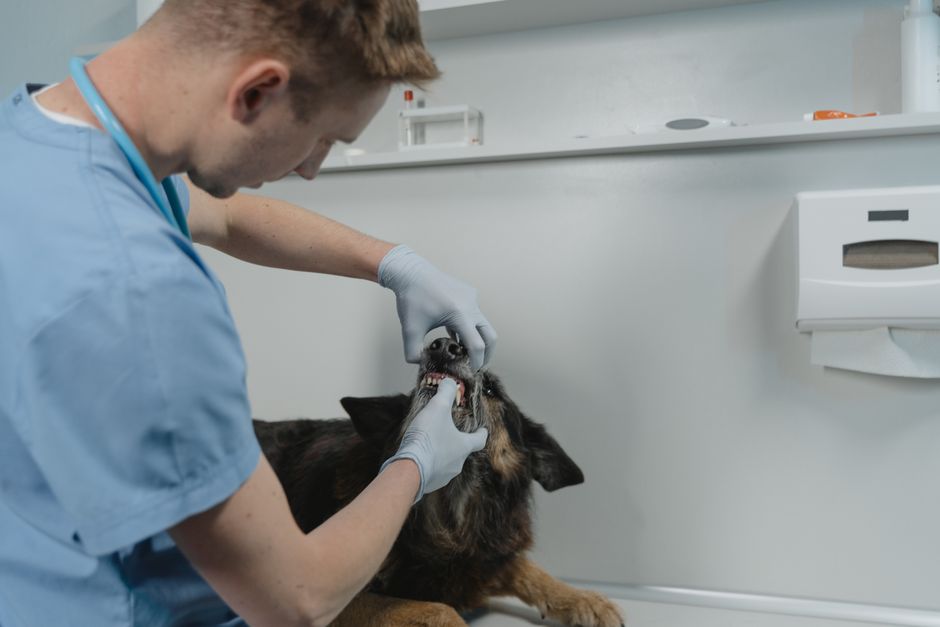
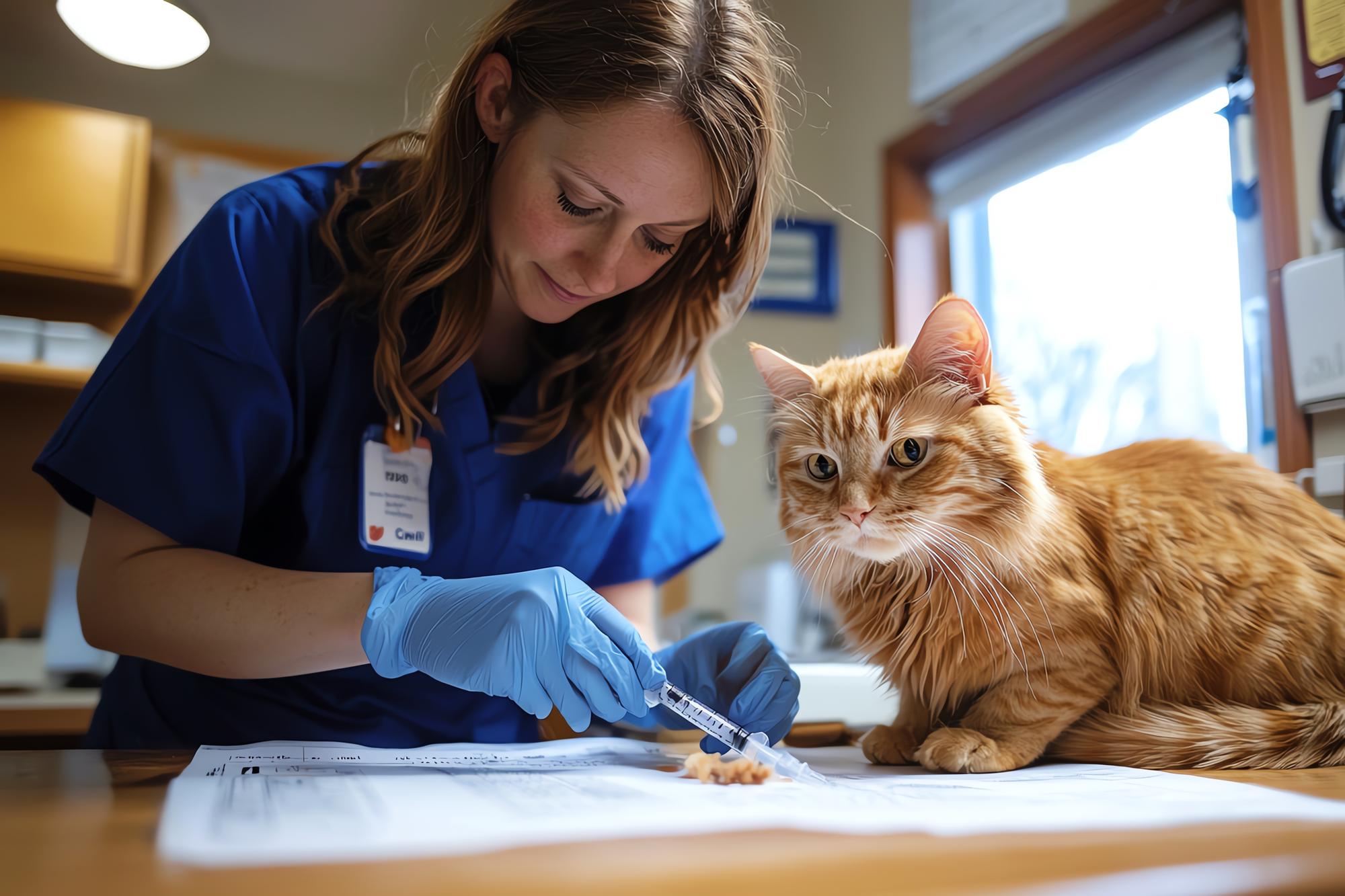
When you schedule heartworm testing at our clinic, our veterinarians will begin with a thorough health assessment. For dogs, the test typically involves a small blood sample, which is analyzed for the presence of heartworm proteins (antigens) released by adult female worms. Results are often available within minutes, allowing us to discuss next steps with you during your appointment.
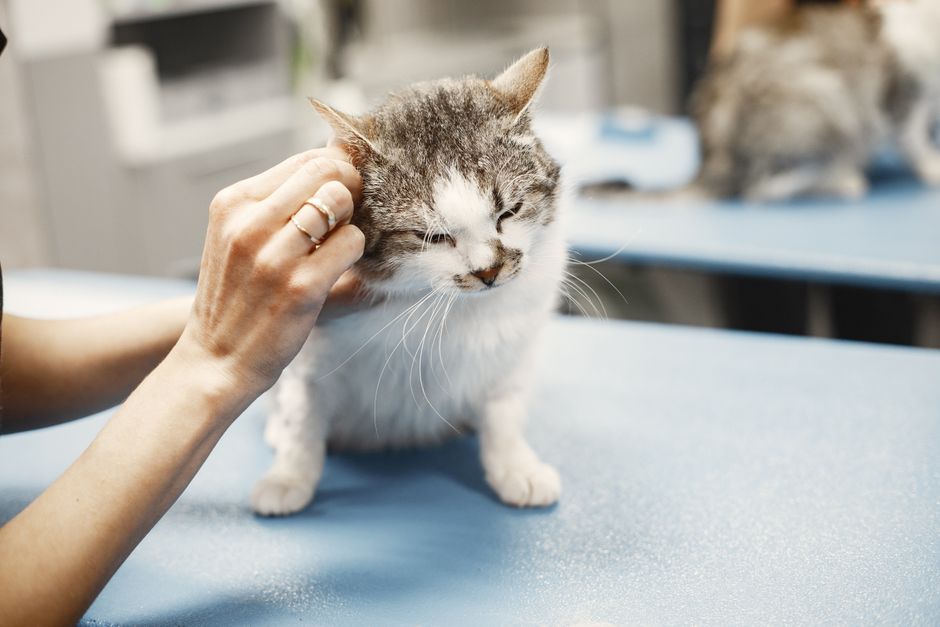
Cats require a slightly different approach, as they may have fewer worms and lower levels of detectable antigens. Our veterinary team may recommend a combination of antigen and antibody tests, along with a physical exam and sometimes additional diagnostics if symptoms are present.
If your pet is due for other wellness services, such as a comprehensive physical exam or routine vaccinations, these can often be coordinated during the same visit for your convenience. We aim to make preventive care as seamless and stress-free as possible for both you and your pet.
Treatment and Management: What Happens If Your Pet Tests Positive?
Learning that your dog or cat has tested positive for heartworm disease can be distressing, but early detection offers the best chance for successful treatment and recovery. Our veterinary professionals are here to guide you through every step of the process.
For dogs, treatment involves a carefully managed protocol designed to eliminate adult heartworms while minimizing the risk of complications. This process may include medications to stabilize your dog’s condition, followed by a series of injections to kill the adult worms. Strict exercise restriction is critical during treatment, as physical activity can increase the risk of heart or lung complications. Throughout this period, our veterinary team provides ongoing monitoring and support to ensure your pet’s safety and comfort.
Heartworm disease in cats is more challenging to treat, as there is currently no approved medication to eliminate adult heartworms in felines. Instead, management focuses on stabilizing your cat’s condition, supporting respiratory function, and alleviating symptoms. In some cases, cats may recover as their bodies gradually clear the infection, but ongoing veterinary care is essential to manage risks and complications.
If your pet receives a positive result, we will discuss all available options, answer your questions, and create a customized care plan based on your pet’s needs.
Preventing Heartworm Disease: Steps for Bethesda Pet Owners
Prevention is the cornerstone of protecting your dog or cat from heartworm disease. With Bethesda’s active mosquito season, year-round prevention is strongly recommended for all pets, regardless of whether they spend their time indoors or outdoors.
The most effective way to prevent heartworm infection is to administer veterinarian-approved preventive medications consistently according to the prescribed schedule. These medications come in various forms, including monthly chewable tablets, topical treatments, and—in some cases—injections given by your veterinarian. Our team will help you choose the best option for your dog or cat based on their lifestyle, medical history, and preferences.
In addition to medication, consider practical steps to minimize your pet’s exposure to mosquitoes. These include avoiding outdoor activities during peak mosquito hours (dawn and dusk), using screens on windows and doors, and eliminating standing water around your home where mosquitoes breed.
To ensure that prevention is working as intended, regular heartworm testing remains essential. Even one missed dose can leave your pet vulnerable to infection, so annual screening allows us to catch and address any concerns early.
When to Schedule Heartworm Testing for Your Dog or Cat
The timing of heartworm testing can depend on your pet’s age, medical history, and previous prevention schedule. Puppies and kittens typically start heartworm prevention as early as eight weeks old, but testing is recommended before beginning a new prevention regimen or if a dose has been missed.
Adult dogs should be tested annually, even if they are on consistent prevention. Newly adopted pets, or those with an unknown medical history, should be screened as soon as possible. For cats, testing is recommended before starting prevention and periodically thereafter, especially if your cat spends time outdoors or has lapsed in preventive care.
If you are unsure when your pet’s last heartworm test was performed, or if you have questions about the right schedule, our veterinary team at Bradley Hills Animal Hospital is always available to help you decide the best approach for your individual pet.
Why Choose Bradley Hills Animal Hospital for Heartworm Testing in Bethesda?
At Bradley Hills Animal Hospital, our commitment to high-quality veterinary care begins with prevention. Our veterinarians combine years of experience with advanced diagnostic tools to ensure accurate, timely results for every heartworm test. We take the time to explain your pet’s results, review prevention options, and support you in making informed decisions about your pet’s health.
Located conveniently at 7210 Bradley Blvd, Bethesda, MD 20817, we proudly serve dogs and cats throughout Bethesda and surrounding communities. When you trust our veterinary team with your pet’s care, you gain a partner dedicated to your pet’s lifelong health and happiness.
Take the Next Step: Schedule Heartworm Testing for Your Pet Today
With warmer weather arriving, now is the perfect time to ensure your dog or cat is protected from heartworm disease. Annual heartworm testing is a simple yet vital step in your pet’s preventive health plan. If you’re searching for a “vet near me” who truly cares about your pet’s wellbeing, choose Bradley Hills Animal Hospital for compassionate, comprehensive care.
Ready to schedule your pet’s heartworm testing or want to talk about year-round prevention? Call us today at (301) 365-5448 or visit us at 7210 Bradley Blvd, Bethesda, MD 20817. You can also explore more about our heartworm testing services online. Our veterinary professionals are here to answer your questions and keep your pets happy, healthy, and heartworm-free all year long.
This blog is intended for educational purposes only and should not replace professional veterinary advice. For specific questions about your pet’s health, please contact your veterinarian directly.