Recognizing and Managing Spring Allergies in Bethesda Pets

Recognizing and Managing Spring Allergies in Bethesda Pets
As spring arrives in Bethesda, many pet owners look forward to longer walks, blooming gardens, and more time outside with their dogs and cats. However, with these seasonal changes often comes an uptick in itching, scratching, and other allergy symptoms for our four-legged family members. If you have noticed your dog or cat licking their paws, sneezing more than usual, or developing red, irritated skin, you are not alone. Spring allergies are a common concern for pets in our area, and understanding how to recognize and manage them can make a world of difference for your companion’s comfort and health.
At Bradley Hills Animal Hospital, located at 7210 Bradley Blvd, Bethesda, MD 20817, our team of veterinarians is here to help you identify the signs of seasonal allergies, explore the causes behind them, and provide effective solutions tailored to your pet’s needs. In this blog, we will discuss how to spot allergy symptoms in dogs and cats, why springtime can trigger these issues, what treatment options are available, and how you can support your pet at home. We will also explain when it is time to schedule an appointment for a professional evaluation, so your pet can get back to enjoying all that spring has to offer.
Spotting the Signs: How to Recognize Allergy Symptoms in Your Pet
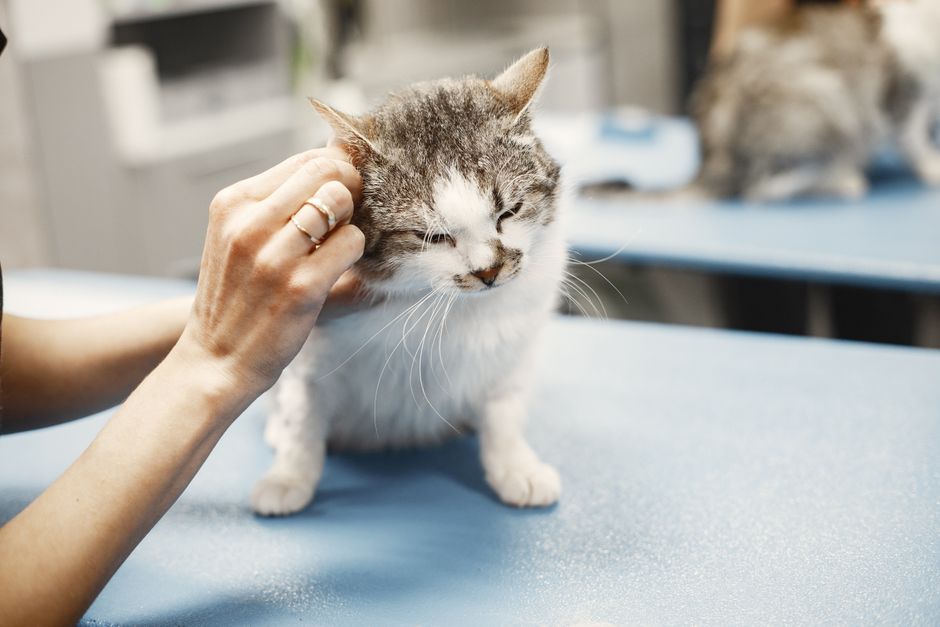
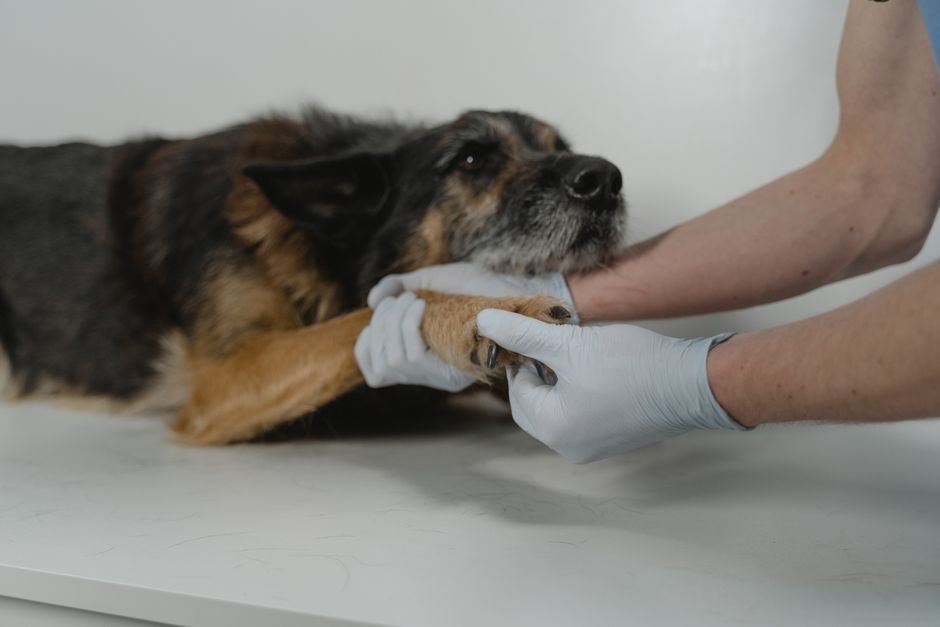
Seasonal allergies in pets often appear subtly at first, but can quickly escalate if left unchecked. For many Bethesda dogs and cats, symptoms include persistent itching, which you might notice as frequent scratching behind the ears, licking or chewing at paws, rubbing their face on furniture, or overgrooming. Additionally, you may see redness or inflammation on your pet’s skin, especially around the belly, armpits, or paws. Some pets develop hot spots—these are moist, irritated patches that can become infected if not addressed. Other signs are frequent sneezing, watery eyes, and ear infections, which might show up as head shaking or dark discharge from the ears. Cats in particular may display increased grooming, with some even pulling out fur, leading to bald spots.
It is important to note that allergy symptoms can easily be mistaken for other health concerns such as parasites or infections. If you notice any of these behaviors or changes in your pet’s appearance, especially as spring pollen counts rise in the Bethesda area, it is wise to consider seasonal allergies as a possible cause.
Understanding Spring Allergies: Why Pets React to the Season
Spring in Bethesda brings a burst of plant life, and with it comes airborne allergens like pollen from trees, grasses, and flowers. Just as people may suffer from hay fever, many dogs and cats are sensitive to these environmental triggers. The immune system in allergic pets reacts to pollen, mold spores, or even dust mites by releasing histamines, which cause inflammation and irritation—leading to the classic symptoms of itching, redness, and sneezing.
Some pets are genetically predisposed to allergies. Breeds such as retrievers, terriers, and certain flat-faced cats may be more likely to develop skin or respiratory reactions. Changes in weather, increased time outdoors, and even open windows at home can all contribute to higher exposure to allergens. In Bethesda and surrounding communities, the spring allergy season typically starts in March and can last through June, peaking as local trees and grasses release pollen into the air.
How Allergy Testing and Veterinary Care Can Help
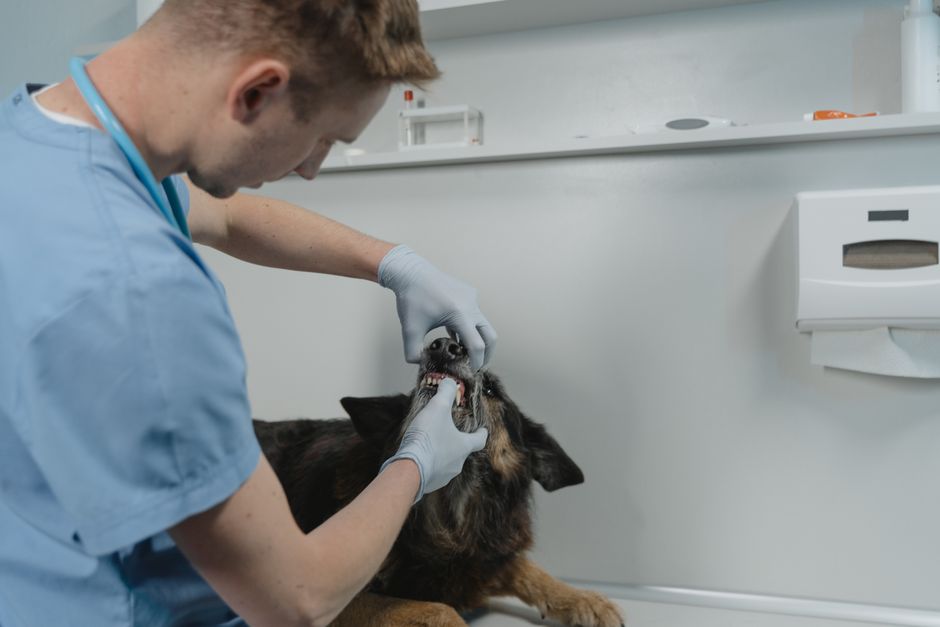
If your pet is struggling with spring allergies, professional veterinary evaluation is the best way to get answers and relief. At Bradley Hills Animal Hospital, our team recommends starting with a thorough comprehensive physical exam to rule out other causes of itching or discomfort, such as fleas, mites, or underlying infections. During your appointment, the veterinarian will review your pet’s history, examine their skin and ears, and may recommend additional diagnostic tests.
For pets with persistent or severe symptoms, allergy testing can help pinpoint the specific triggers. This process might involve blood tests or intradermal skin testing, depending on your pet’s needs and medical history. Knowing exactly which allergens affect your pet enables us to create a customized management plan, which may include prescription medications, topical therapies, or even allergy shots (immunotherapy) for long-term control.
Our veterinary team also offers advanced dermatology services, which are especially valuable for pets with chronic skin problems, recurrent ear infections, or complex allergy cases. We will work closely with you to monitor progress and adjust treatments as needed, ensuring your dog or cat receives the best possible care throughout allergy season and beyond.
What Treatments Are Available for Spring Allergies?
Treatment for spring allergies in pets generally involves a combination of approaches to provide both immediate relief and long-term management. Antihistamines or prescription medications may be recommended to reduce itching and inflammation. For pets with skin infections or hot spots, topical treatments or medicated shampoos can soothe the skin and promote healing. In some cases, corticosteroids or immune-modulating drugs may be used for severe flare-ups, but these are typically reserved for short-term use under veterinary supervision.
Immunotherapy, which involves regular injections or oral drops based on your pet’s specific allergens, can gradually reduce allergic reactions over time and is often considered for pets with year-round or severe allergies. Our veterinarians will guide you through the options and help develop a plan that fits your pet’s lifestyle and health status.
Supporting Your Pet at Home: Prevention and Comfort Measures
While veterinary care is essential, there are also practical steps you can take at home to help minimize your pet’s exposure to allergens and keep them comfortable during spring. Regular bathing with veterinarian-recommended shampoos can help remove pollen from your dog or cat’s coat and skin. Wiping down your pet’s paws and belly after outdoor walks also limits the amount of pollen brought inside. Keeping windows closed on high pollen days and using air purifiers in your home can further reduce airborne allergens.
Frequent washing of your pet’s bedding, vacuuming carpets, and cleaning upholstery will help decrease indoor allergens. For pets with food sensitivities that may exacerbate skin issues, your veterinarian may suggest dietary adjustments or hypoallergenic diets as part of a comprehensive allergy management plan.
Monitoring your pet closely for changes in their skin, coat, or behavior throughout the spring months will help you catch flare-ups early. If you notice your pet is scratching more, developing new hot spots, or experiencing other symptoms, prompt attention can prevent complications and keep your companion feeling their best.
When to Schedule a Veterinary Visit
While some mild allergy symptoms may improve with at-home care, it is important to know when it is time to schedule a visit with your veterinarian. You should contact Bradley Hills Animal Hospital if your pet’s itching is persistent, if you see hair loss or open sores, or if there are signs of secondary infections such as odor, redness, swelling, or discharge from the ears or skin. Other reasons to seek veterinary care include frequent vomiting, diarrhea, or changes in appetite or behavior that could indicate a more serious reaction.
If your pet’s allergies are interfering with their quality of life or not improving with basic home care, our veterinary team can help you determine the next steps. In some cases, underlying medical conditions or concurrent infections may be present, so a comprehensive exam is essential for accurate diagnosis and treatment. Delaying care can lead to chronic skin issues or more severe health problems, so early intervention is always best.
Compassionate Allergy Care for Bethesda Pets
Spring allergies can be a frustrating experience for both pets and their owners, but with the right knowledge and support, your dog or cat can thrive during this beautiful season. Recognizing the signs of allergies, understanding the causes, and knowing when to seek professional advice are key steps in managing your pet’s health. At Bradley Hills Animal Hospital, our veterinarians are dedicated to providing compassionate, comprehensive care for every pet in Bethesda and surrounding communities.
Whether your pet needs advanced allergy testing, expert dermatology services, or a thorough comprehensive physical exam, we are here to help you every step of the way. If you are searching for a veterinarian near me who understands the unique needs of Bethesda pets, look no further than our experienced team.
To schedule an appointment or discuss your pet’s allergy symptoms, call (301) 365-5448 or visit us in person at 7210 Bradley Blvd, Bethesda, MD 20817. Together, we can help your pet enjoy a happy, healthy, and itch-free spring.
This blog is intended for informational purposes only and does not replace professional veterinary care. Always consult your veterinarian for specific advice regarding your pet’s health.