Protecting Your Pet’s Paws: Summer Paw Care for Dogs and Cats
Protecting Your Pet’s Paws: Summer Paw Care for Dogs and Cats
As the July sun heats up Bethesda and surrounding communities, many pet owners find themselves worrying about their dog’s or cat’s sensitive paws. At Bradley Hills Animal Hospital, we know how important outdoor time is for your furry companions, but we also see the painful consequences that hot pavement and summer hazards can bring. Burned paw pads, blisters, and irritation are all too common this time of year. If you are wondering how to protect your pet’s paws and avoid a trip to the vet for painful injuries, you are not alone. This guide will walk you through how to recognize paw pad injuries, what causes them, how our veterinary team at 7210 Bradley Blvd, Bethesda, MD 20817 can help, and practical steps you can take to keep your pet’s paws healthy all summer long.
Summer presents unique challenges for paw health in both dogs and cats, whether you are out for a midday walk in your Bethesda neighborhood or your cat enjoys a bit of supervised outdoor time on the patio. Our team at Bradley Hills Animal Hospital is here to support you with compassionate, expert care and advice. In this article, we will cover how to spot early signs of paw pad injury, why these injuries are so common in warm weather, what treatment options are available, and the best ways to keep your pet comfortable and safe. If you ever have concerns about your pet’s paws or skin, our dermatology services are available to provide thorough evaluations and treatment plans.
How to Recognize Paw Pad Injuries in Dogs and Cats
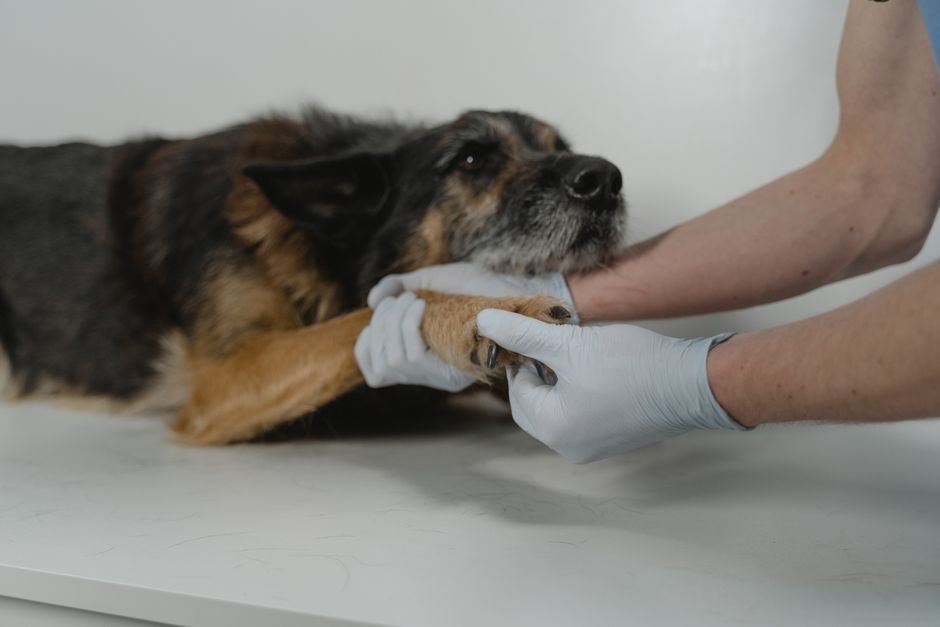
The first step in protecting your pet’s paws during the summer is knowing what signs to watch for. Paw pad injuries can develop quickly, especially after walks on hot pavement or extended play outdoors. Key symptoms include limping or favoring one paw, reluctance to walk, licking or chewing at the paws, and visible redness or swelling. In some cases, you may notice blisters, raw spots, or even peeling skin on the pads. For dogs, you might see them pause during walks and try to hold a paw off the ground, while cats may become suddenly withdrawn or hide after time outdoors. Other signs to pay attention to are bleeding, dark discoloration of the pads, or a sudden change in your pet’s energy and willingness to play or go outside.
If your pet is suddenly licking at their feet more than usual, especially after being outside on a sunny day, this could be an early warning sign of discomfort or injury. It is also important to inspect your pet’s pads regularly for any small cuts, embedded debris, or changes in texture. Early detection allows for quicker intervention and can prevent more severe problems down the line.
Why Do Paw Pad Injuries Happen in the Summer?
Understanding the causes of paw pad injuries can help you prevent them before they start. The most common culprit during summer in Bethesda is hot pavement. Asphalt, concrete, and even sand can become much hotter than the surrounding air; on a sunny day with air temperatures in the 80s, pavement can easily exceed 120 degrees Fahrenheit. This can cause burns or blisters within minutes of contact, especially for pets unaccustomed to these surfaces.
Other contributing factors include increased outdoor activity, rough terrain, exposure to lawn chemicals, and even allergies that make paw pads more sensitive. Dogs who enjoy running or hiking may wear down the protective outer layer of their pads, while cats who venture onto patios or driveways can burn their feet without warning. Additionally, summer allergens such as pollen or certain grasses can cause irritation and lead to excessive licking, which weakens the pads further. For pets with underlying skin sensitivities or allergies, the risk of paw pad injury is even greater. Our allergy testing services can help identify these triggers and guide you in keeping your pet comfortable.
Treatment Options for Paw Pad Injuries
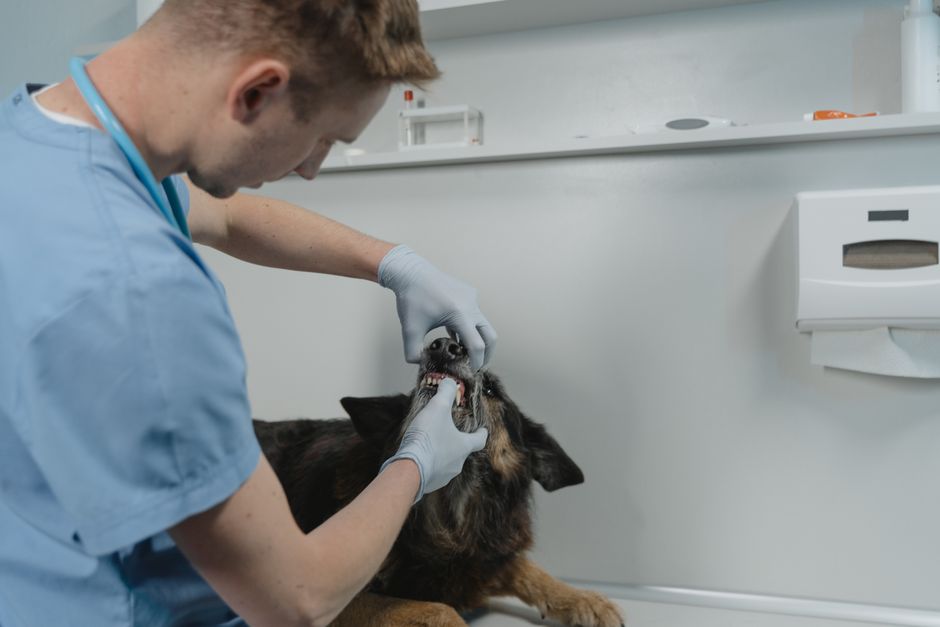
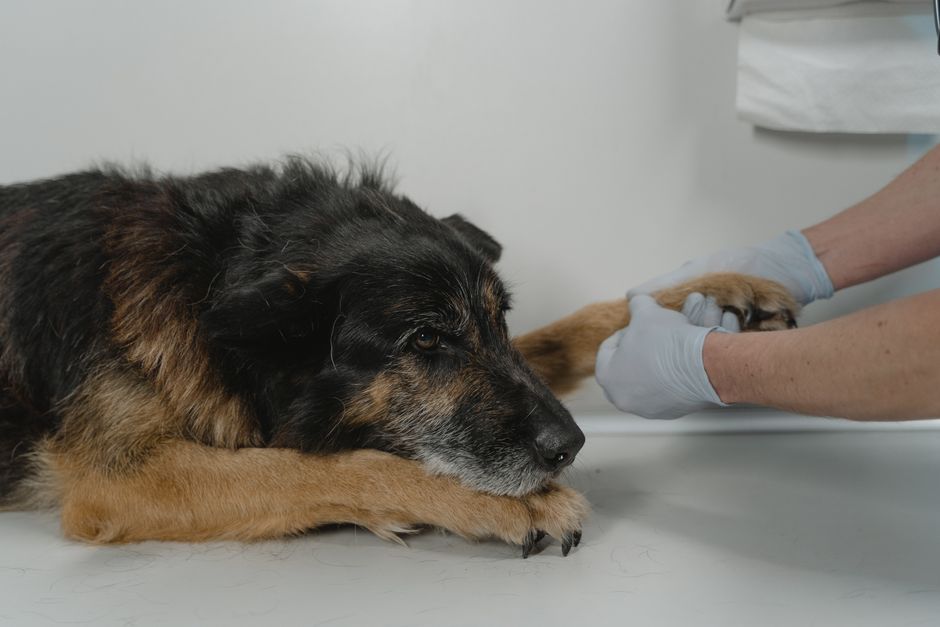
If your pet does suffer a paw pad injury, professional veterinary care is crucial for proper healing and pain relief. When you schedule an appointment at Bradley Hills Animal Hospital, our veterinarians will begin with a thorough examination to assess the extent of the injury. Treatment approaches depend on severity; for minor burns or abrasions, gentle cleaning and application of a pet-safe topical ointment may be recommended. Your pet may need to wear a protective bootie or bandage to keep the wound clean as it heals.
In more serious cases involving deeper burns, blisters, or infection, we may prescribe antibiotics or pain medications, and more intensive wound care may be necessary. Our veterinary team will also check for signs of infection, such as pus, foul odor, or worsening swelling, and provide treatment to prevent complications. For pets with underlying skin conditions or allergies contributing to paw issues, we may recommend further diagnostic testing or specialized dermatology services.
Throughout the healing process, follow your veterinarian’s instructions closely and avoid walks or outdoor activities that could aggravate the injury. Most paw pad injuries heal well with prompt, proper care, but delayed treatment can lead to persistent pain or secondary infections.
Preventing Paw Pad Problems: Home Care Tips for Summer
The best way to protect your pet’s paws is through proactive care and a few simple changes to your summer routine. One of the most effective steps is to walk your dog early in the morning or later in the evening when surfaces are cooler. Before heading out, test the pavement with your hand or bare foot; if it feels too hot for you, it is too hot for your pet.
For cats who spend time outside, supervise their outdoor time and provide shaded, grassy areas instead of concrete or asphalt. Consider using pet-safe paw balms or waxes to add an extra layer of protection, especially for dogs who walk frequently on sidewalks or trails. Regularly checking your pet’s paws after every outdoor excursion can catch minor issues before they escalate. Look for small stones, thorns, or splinters that could become embedded, and gently clean your pet’s feet with cool water when returning inside.
Keeping paw hair trimmed, especially between the toes, can help reduce debris accumulation and make it easier to spot early signs of irritation. For dogs and cats with known allergies or sensitive skin, work with your veterinarian to manage underlying conditions, as healthy skin is more resilient against summer hazards. Our comprehensive physical exams are an excellent opportunity to address paw health as part of your pet’s overall wellness plan.
When to Schedule a Veterinary Visit for Paw Pad Issues
While minor scrapes or mild irritation can often be managed at home, there are clear situations where professional veterinary care is needed. If your pet has a blistered, bleeding, or visibly burned paw pad, it is important to schedule an appointment right away. Other signs that warrant a veterinary visit include persistent limping, swelling that does not subside after a few hours, signs of infection such as pus or foul odor, or if your pet is in visible pain and cannot walk comfortably.
It is always better to err on the side of caution when it comes to paw injuries, as untreated wounds can quickly progress to more serious infections or chronic discomfort. At Bradley Hills Animal Hospital, our veterinary team is experienced in diagnosing and treating a full range of paw and skin conditions. If you are ever unsure whether your pet’s paw issue requires attention, do not hesitate to call our team for guidance.
Supporting Your Pet’s Comfort and Wellbeing All Summer Long
Your pet’s paws are their connection to the world, and keeping them healthy is a vital part of ensuring a happy, active summer. By learning to recognize signs of paw pad injury, understanding the risks of hot weather, and taking practical steps to prevent problems, you can help your dog or cat enjoy the season safely. Remember that prompt veterinary attention leads to faster healing and less discomfort for your pet.
If you have questions about summer paw care or want to include a paw check as part of your pet’s next comprehensive physical exam, our team at Bradley Hills Animal Hospital is here to help. Schedule an appointment at our convenient Bethesda location, or call us at (301) 365-5448 for compassionate, individualized care. When you are searching for a veterinarian near me who truly understands the needs of your dog or cat, look to the experienced veterinary professionals at Bradley Hills Animal Hospital. Let us partner with you to keep your pet’s paws , and their whole body , healthy all summer long.