Preventing Heatstroke in Bethesda Pets This July
Preventing Heatstroke in Bethesda Pets This July
As July brings heat and humidity to Bethesda, pet owners face the annual challenge of keeping their dogs and cats safe from the dangers of heatstroke. Many families in Bethesda and surrounding communities want to make the most of summer with outdoor adventures, but high temperatures can put pets at serious risk. At Bradley Hills Animal Hospital, located at 7210 Bradley Blvd, Bethesda, MD 20817, our veterinary team is dedicated to protecting your pet’s health all year long. In this article, you’ll learn how to recognize the warning signs of heatstroke, understand the causes, explore effective prevention strategies, and know exactly when to seek professional veterinary help. Whether you’re planning a backyard barbecue or daily walks, we’ll help you keep your pet safe and comfortable this summer.
Recognizing the Signs of Heatstroke in Dogs and Cats
Heatstroke can develop quickly in both dogs and cats, especially during Bethesda’s hot and humid summer days. Early recognition of symptoms is critical for a pet’s survival. Key warning signs of heatstroke in dogs include excessive panting, drooling, bright red gums, rapid heartbeat, weakness, vomiting, diarrhea, and confusion. Cats may show slightly different signs, such as open-mouth breathing, lethargy, rapid breathing, or even collapse. In both species, body temperature can rise rapidly above normal, which for dogs and cats is typically around 101 to 102.5 degrees Fahrenheit. As heatstroke progresses, symptoms can become more severe, with pets potentially experiencing seizures, loss of consciousness, or organ failure. It’s important to remember that not all pets will display every symptom, so staying alert to any abnormal behavior during hot weather is crucial.
Some pets are at higher risk than others. Flat-faced breeds like Bulldogs, Pugs, and Persian cats, as well as elderly pets, puppies, and overweight animals, are especially vulnerable to overheating. Those with underlying medical conditions or thick fur coats may also be more prone to heat-related illness. If your pet starts to pant heavily, seems unusually tired, or seeks out cool surfaces during warm weather, these could be early indicators that prompt action is needed.
Understanding Why Heatstroke Happens: Common Causes in Bethesda Pets
Heatstroke occurs when a pet’s body can no longer regulate its internal temperature, leading to dangerous overheating. Several factors in the Bethesda area contribute to this risk, including high humidity, direct sun exposure, and poorly ventilated environments. The most common cause is leaving pets in parked cars, even for just a few minutes. On a sunny July day, temperatures inside a vehicle can soar to life-threatening levels in less than 10 minutes, even with the windows cracked.
Outdoor activities also pose risks. Dogs that exercise vigorously during midday, walk on hot pavement, or play for extended periods in unshaded areas may struggle to cool down. Cats, though often more independent, can overheat if they are confined to warm rooms or get locked out on a hot porch or balcony. Lack of access to fresh water and shade further increases the risk. Even indoor pets are not immune; unventilated rooms without air conditioning can become dangerously hot during summer heat waves.
Additionally, certain medications, underlying health issues, and thick or dark-colored coats can make it more difficult for pets to dissipate heat. Understanding these risk factors can help you take proactive steps to keep your pet safe as temperatures climb.
What to Expect: Veterinary Treatment for Heatstroke
If you suspect your pet is experiencing heatstroke, immediate action can be lifesaving. Rapid cooling and prompt veterinary care offer the best chance for a full recovery. On the way to the clinic, you can begin cooling your pet by moving them to a shaded or air-conditioned area and gently applying cool (not ice-cold) water to their body. Offering small amounts of water may help, but avoid forcing your pet to drink if they are disoriented or vomiting.
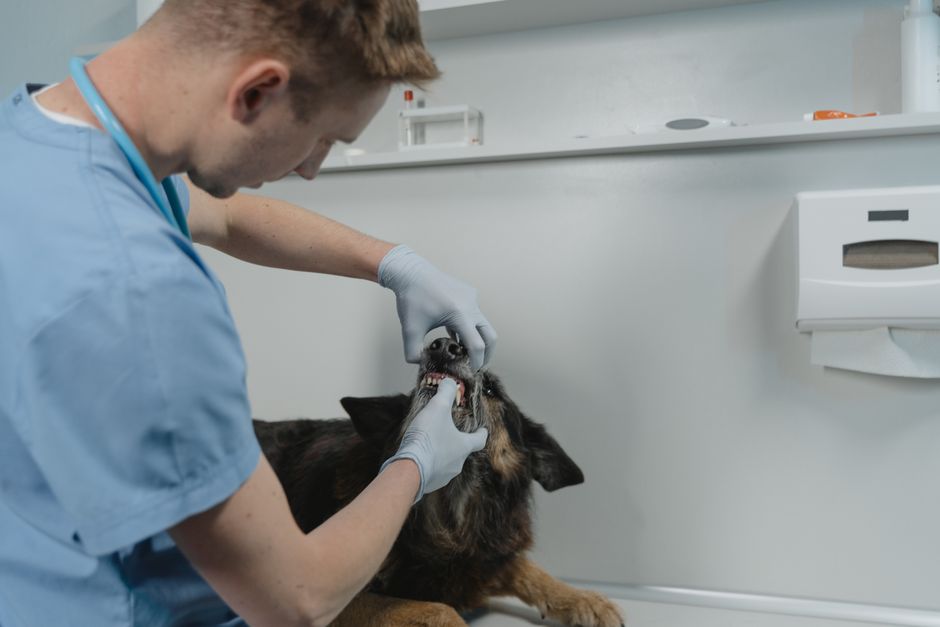
Once at Bradley Hills Animal Hospital, our veterinary team will assess your pet’s temperature and overall condition. Treatment for heatstroke in dogs and cats often involves intravenous fluids to address dehydration, oxygen therapy to support breathing, and careful monitoring of organ function, since heatstroke can affect the kidneys, liver, and heart. Additional interventions may include medications to reduce swelling or prevent seizures, blood tests to check for complications, and advanced diagnostics such as ultrasound if internal damage is suspected.
Recovery depends on how quickly treatment is started and the severity of the heatstroke. Some pets may require hospitalization for ongoing care, while others recover with supportive treatment and close monitoring. Our goal is always to provide timely intervention and support your pet’s return to health.
How to Prevent Heatstroke: Home and Outdoor Safety Tips
Preventing heatstroke is far easier than treating it. Simple changes in your summer routine can make all the difference for your pet’s safety. First and foremost, never leave your pet in a parked car, even for a moment. During July in Bethesda, even a few minutes can be dangerous. When spending time outdoors, choose early morning or late evening for walks and play sessions, avoiding the hottest parts of the day.
Ensure your pet always has access to shade and plenty of cool, fresh water. At home, use fans or air conditioning to maintain a comfortable indoor temperature, especially for pets with health risks. If your cat enjoys sunbathing by the window, make sure they can move to a cooler spot as needed. Walk dogs on grass rather than hot pavement, which can burn sensitive paw pads and contribute to overheating.
Monitor your pet’s activity level closely. On humid days, reduce the intensity and duration of exercise. Watch for early signs of overheating, such as excessive panting or sluggishness, and don’t hesitate to bring your pet indoors. Grooming can also help; regular brushing removes excess fur that can trap heat, but avoid shaving double-coated breeds, as their fur provides natural insulation against both heat and sunburn.
For pets with known health issues or those at higher risk, consult with your veterinarian about tailored summer safety strategies. A comprehensive physical exam can identify any underlying conditions that might make your dog or cat more susceptible to heatstroke, ensuring you have the right plan in place for a safe summer.
When to Seek Veterinary Care for Heatstroke
Knowing when to call your veterinarian can save your pet’s life. If your dog or cat shows signs of heatstroke—such as heavy panting, drooling, vomiting, confusion, collapse, or unresponsiveness—move them to a cool area immediately and contact our veterinary team without delay. Heatstroke is a true emergency, and waiting at home can allow serious complications to develop.
Some scenarios require urgent action: pets that don’t respond to cooling efforts within a few minutes, those who lose consciousness, or animals with underlying medical conditions are especially at risk. Even if your pet seems to improve after initial cooling, it’s still essential to schedule an appointment for a thorough examination. Heatstroke can cause delayed organ damage that may not be immediately visible.
At Bradley Hills Animal Hospital, we prioritize rapid assessment and intervention for pets with heat-related emergencies. Our veterinarians are here to answer your questions and provide expert care every step of the way.
Keeping Bethesda Pets Safe All Summer Long
Bethesda’s summer heat presents real risks, but with careful planning and prompt action, you can keep your pet happy and healthy throughout July and beyond. Recognizing the early signs of heatstroke, understanding your pet’s unique risk factors, and adopting smart prevention strategies are key to avoiding emergencies. If you ever notice symptoms of overheating or have concerns about your pet’s summer health, our team of veterinarians at Bradley Hills Animal Hospital is ready to help.
Regular checkups, including comprehensive physical exams, can help you stay ahead of seasonal risks and ensure your dog or cat is in top condition all year. If you need guidance or want to discuss your pet’s summer safety plan, schedule an appointment with us by calling (301) 365-5448. When searching for a vet near me, Bradley Hills Animal Hospital offers trusted, compassionate care for pets in Bethesda and surrounding communities.
Your pet’s wellbeing is our top priority. Let’s work together to make this July a safe and enjoyable season for every member of your family. For more information about protecting your pet from summer hazards or to book your next visit, contact us today or stop by our convenient Bethesda location.