Protecting Pet Paws in Hot Bethesda August Weather
Protecting Pet Paws in Hot Bethesda August Weather
As the summer sun blazes down on Bethesda and surrounding communities, pet owners know how important it is to keep dogs and cats comfortable and safe. While most people are aware of the risks heat poses for pets, paw protection often gets overlooked during August’s humid, high-temperature days. At Bradley Hills Animal Hospital, we see firsthand how hot pavement, sidewalks, and even decks can lead to painful paw injuries for pets enjoying their daily walks or backyard time. This guide will help you recognize when your pet’s paws may be at risk, understand what causes paw burns and injuries in summer, and offer practical strategies to keep outings fun and safe all season long. We will also discuss when it is time to seek veterinary care and how our team of veterinarians at Bradley Hills Animal Hospital can help if your pet’s paws need professional attention.
Recognizing Paw Burns and Injuries in Dogs and Cats
During Bethesda’s August heat, your dog or cat’s paws are more vulnerable than you might expect. Many surfaces, including asphalt, concrete, and even artificial turf, can reach temperatures high enough to cause burns within minutes. Key symptoms of paw pad burns or injuries include limping or reluctance to walk, licking or chewing at the feet more than usual, visibly red or raw pads, blisters, or areas where the pad appears to be peeling. Some pets may become suddenly hesitant to go outside or may cry out when stepping on certain surfaces. In cats, you might notice increased grooming of the paws, or your cat might avoid the litter box if walking is uncomfortable.
If you notice any of these signs—redness, swelling, blisters, an unusual gait, or your pet favoring one foot over the others—it’s important to take action right away. Prompt attention can prevent a mild injury from becoming a more serious problem. In some cases, symptoms can be subtle, so regular inspection of your pet’s paws after walks, especially during peak heat, is an effective way to catch issues early.
Why Do Paw Injuries Happen in the Summer?
Bethesda’s August weather is known for its heat and humidity, which can quickly turn everyday surfaces into hazards for your pet’s feet. Asphalt and concrete can become dangerously hot in direct sunlight, often exceeding 125 degrees Fahrenheit by midday. At these temperatures, skin burns can occur in under 60 seconds. Even if the air feels tolerable, the ground temperature may be much hotter due to sun exposure and lack of shade. The risk is highest between late morning and late afternoon when the sun is strongest.
In addition to burns, the summer season brings other challenges for paws. Extended time outdoors can lead to dryness and cracking, especially if your pet walks on rough surfaces. Chemicals used to control weeds or clean sidewalks can further irritate sensitive paw pads. For dogs that enjoy trips to the park or hiking trails, sharp objects like glass shards, stones, or splinters can also pose risks. Cats that venture outside may encounter similar dangers, particularly in urban or suburban environments.
Humidity compounds these issues by making it harder for surfaces to cool off and can lead to moisture buildup between the toes, increasing the chance of fungal or bacterial infections. The combination of heat, moisture, and abrasive surfaces is why August is a peak time for paw injuries in the Bethesda area.
Treating Paw Pad Burns and Injuries: What to Expect
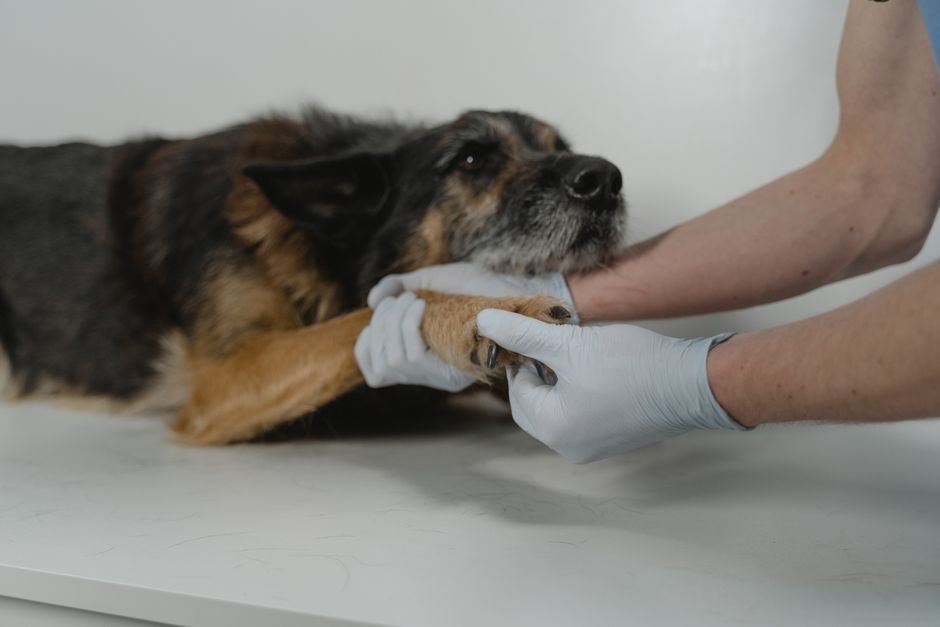
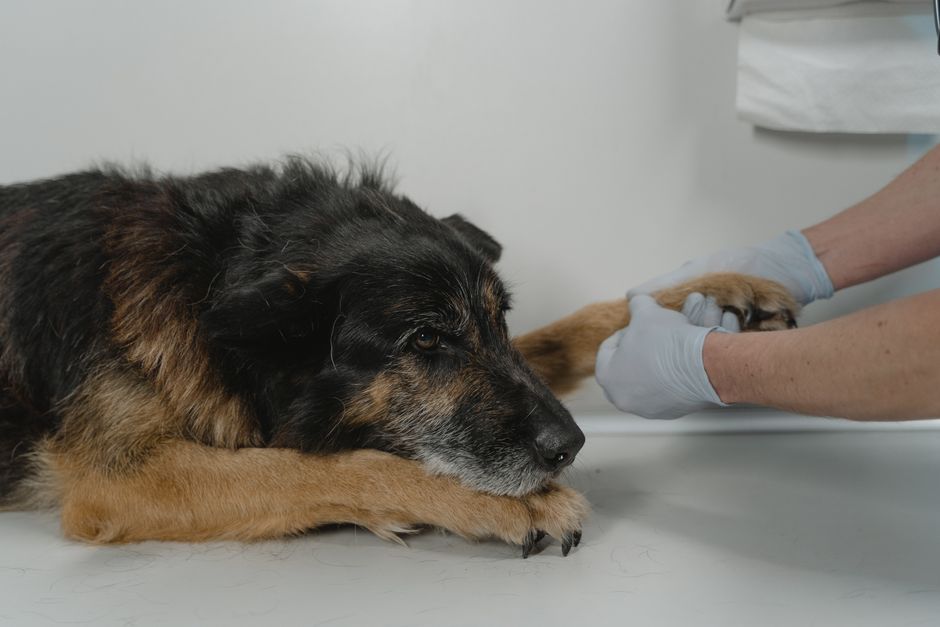
If your pet experiences a paw injury, prompt action at home is the first step, but professional care is often necessary for more serious burns or wounds. At Bradley Hills Animal Hospital, our veterinary team is equipped to assess the extent of paw injuries and recommend the best course of treatment. Initial care at home may include gently rinsing the affected paws with cool water to remove debris, then keeping your pet off hot surfaces while you contact your veterinarian.
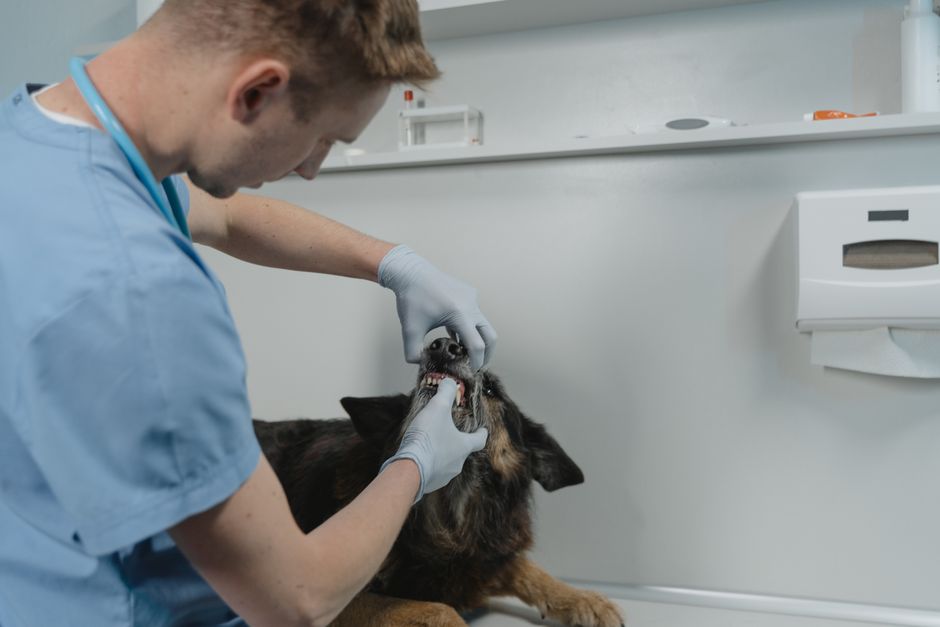
Treatment approaches at our hospital involve a thorough examination to check for burns, cuts, or infections. We may clean the wounds, apply topical medications to promote healing, and protect the area with bandaging if needed. In some cases, oral antibiotics or pain management may be prescribed to aid recovery and prevent complications. For pets experiencing discomfort or secondary infections, our dermatology services can help address skin and paw health concerns, ensuring a comprehensive approach to healing.
We also screen for related problems, such as limping or changes in gait, which can indicate deeper tissue damage or arthritis triggered by altered movement. Our lameness and arthritis treatments support your pet’s comfort and mobility during recovery and beyond.
Preventing Summer Paw Problems: Tips for Safe Walks and Play
Prevention is the best way to keep your pet’s paws healthy during Bethesda’s hot summer days. One of the simplest methods is to walk your dog early in the morning or later in the evening when surfaces are cooler. Before heading out, test the ground with the back of your hand; if it feels too hot for you, it’s too hot for your pet’s paws. Whenever possible, choose grassy or shaded routes for walks and avoid prolonged time on pavement or artificial turf.
Keep your pet’s paw pads moisturized with products recommended by your veterinarian to prevent cracking and dryness. After walks, wipe your pet’s feet to remove any chemicals or debris they may have picked up along the way. For dogs that are especially active outdoors, consider booties designed for summer use; these can offer protection from both heat and sharp objects.
Regularly inspect your pet’s feet, especially after time outside. Look for redness, swelling, or foreign material lodged between the toes. For cats, keep the litter box area free of harsh cleaning chemicals and ensure outdoor spaces are safe for delicate paws. If your pet has allergies, which can cause excessive licking and secondary paw problems, our allergy testing for pets can help identify and manage sensitivities that affect paw health.
When to Schedule a Veterinary Visit for Paw Injuries
Knowing when to seek veterinary care can make a significant difference in your pet’s recovery. If you observe symptoms such as persistent limping, open wounds, bleeding, blisters, or signs of infection like swelling, discharge, or a foul odor, it is important to schedule an appointment with our team as soon as possible. Pets that are reluctant to walk, seem unusually withdrawn, or develop a fever may have more serious injuries that require prompt medical attention.
For minor scrapes or mild redness, home care may be appropriate, but any sign of pain, worsening condition, or failure to improve within a day or two warrants a professional evaluation. At Bradley Hills Animal Hospital, our veterinarians are skilled in recognizing subtle changes in your pet’s gait and behavior that may indicate deeper problems. A comprehensive physical exam allows us to assess your pet’s overall health and catch early signs of paw or mobility concerns.
If you are searching for a veterinarian near me to help with paw injuries or summer safety, our team is here to support you every step of the way.
Keeping Your Pet’s Paws Healthy All Year Long
Bethesda’s hot August weather poses real challenges for pet paw health, but with the right precautions and prompt attention to any problems, your dog or cat can enjoy summer activities safely. Remember to avoid hot surfaces, check your pet’s paws regularly, and schedule veterinary care if you notice any concerning symptoms. Our veterinarians at Bradley Hills Animal Hospital are dedicated to keeping pets in Bethesda and surrounding communities active, comfortable, and healthy through every season.
If you have questions about protecting your pet’s paws or need to schedule an exam, call us at (301) 365-5448 or visit our location at 7210 Bradley Blvd, Bethesda, MD 20817. Whether you need a routine checkup, specialized dermatology care, or advice on summer safety, our veterinary team is here to help your pet thrive. For the best care from a trusted veterinarian near me, rely on Bradley Hills Animal Hospital for all your pet’s needs.