5 Ways to Keep Bethesda Pets Safe During August Rainstorms
5 Ways to Keep Bethesda Pets Safe During August Rainstorms
Sudden summer rainstorms are a familiar part of August life in Bethesda, bringing cooler breezes but also plenty of challenges for local pet owners. Thunder, heavy downpours, and muggy weather can make even the most confident dog or cat anxious; for some, it can pose real safety risks or health concerns. At Bradley Hills Animal Hospital, we know that your pet's comfort and security matter, especially when unpredictable storms roll in. In this blog, we’ll share practical advice to help you keep your pets calm, dry, and out of harm’s way when the weather turns stormy. You’ll also learn when it’s time to reach out to our veterinary team at 7210 Bradley Blvd, Bethesda, MD 20817 for extra support. Whether you live in Bethesda or one of the surrounding communities, these tips will help you protect your pet’s well-being all season long.
Recognizing When Rainstorms Affect Your Pet
Bethesda summers can bring a streak of hot, humid days followed by sudden, intense rainstorms. While a passing shower may seem harmless, it can impact pets in several ways. Dogs and cats often show anxiety during storms; warning signs include trembling, hiding, pacing, excessive vocalizing, or even trying to escape from the house. Cats may retreat to closets or under beds, while dogs might pant, drool, cling to their owners, or attempt to bolt outdoors between thunderclaps.
In addition to behavioral changes, some pets develop physical symptoms during storms. These can include a loss of appetite, gastrointestinal upset, or skin irritation if they become wet and dirty outside. For pets with underlying health issues, such as arthritis or heart conditions, muggy weather and changes in barometric pressure can also lead to discomfort or flare-ups. If your pet seems more restless, sensitive, or unwell during August rainstorms, it’s worth taking a closer look at how the weather could be playing a role.
Why Rainstorms Pose Risks for Dogs and Cats
Several factors make August rainstorms particularly challenging for Bethesda pets. Thunder and lightning bring loud, unpredictable noises that can trigger storm phobias, especially in dogs. Changes in atmospheric pressure may affect both behavior and chronic health conditions. Heavy rainfall can flood yards, parks, and walking paths, creating slippery surfaces that increase the risk of slips, falls, or paw injuries.
Standing water and puddles are another hidden hazard. These can harbor harmful bacteria and parasites, such as leptospirosis and giardia, which pets may ingest by drinking or walking through contaminated water. Additionally, wet fur is more prone to matting and skin infections, especially in breeds with dense undercoats.
Fleeing or hiding behaviors are also common; frightened pets might escape through open doors or windows in an attempt to find safety, increasing the risk of accidents or becoming lost. Indoor cats are not immune to stress, and storm anxiety can sometimes result in destructive behaviors or inappropriate elimination. For pets with allergies, August’s combination of humidity and environmental allergens may worsen skin issues, making them more uncomfortable during stormy weather.
How Bradley Hills Animal Hospital Can Help: Professional Support for Storm-Related Pet Issues
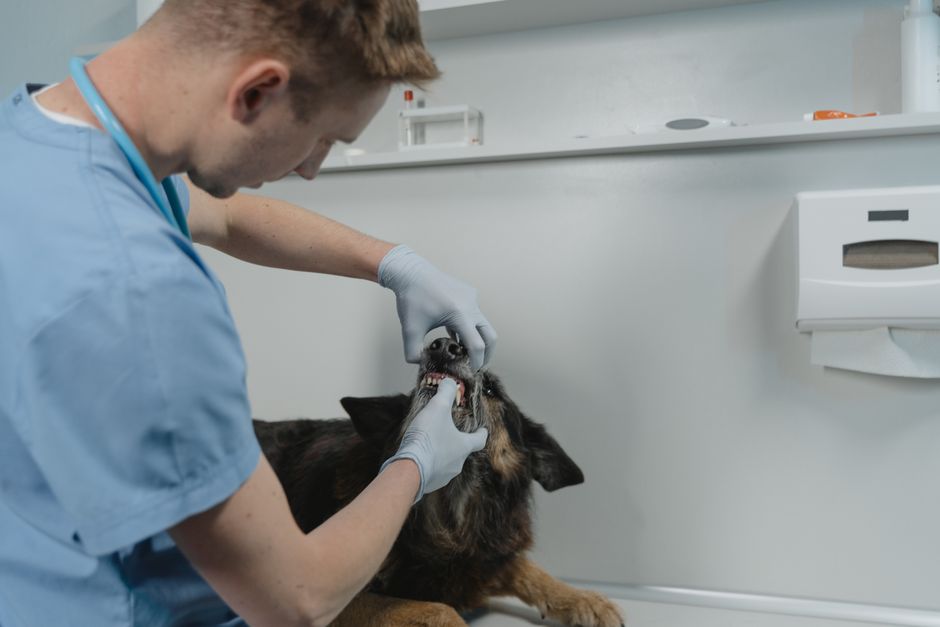
Our veterinary team at Bradley Hills Animal Hospital is here to support your pet’s health and comfort during Bethesda’s stormy August weather. If your dog or cat displays significant anxiety, behavioral changes, or physical symptoms during rainstorms, scheduling a comprehensive physical exam is an excellent first step. During this appointment, we can assess your pet’s overall health and identify any underlying conditions that may be contributing to their stress or discomfort. Learn more about what’s involved in a comprehensive physical exam for dogs and cats.
For pets with storm-related anxiety, our veterinarians may recommend behavior modification strategies, pheromone diffusers, or, in some cases, prescription medications to help them stay calm. We can also provide guidance on creating a safe, comforting environment at home and advise you on managing destructive or escape behaviors.
If your pet develops skin issues, such as hot spots, rashes, or ear infections after being caught in the rain, we offer dermatology services for pets that include diagnostics and tailored treatment plans. For those with environmental or food allergies, allergy testing may be recommended to pinpoint triggers and develop a management strategy. You can read more about our allergy testing services for pets on our website.
For pets who have been exposed to floodwater or standing puddles, we may recommend specific diagnostic tests to check for infections or parasites. Our clinic is equipped to handle a wide range of health concerns that can arise during Bethesda’s rainy season.
Simple Steps to Keep Your Pet Safe and Comfortable at Home
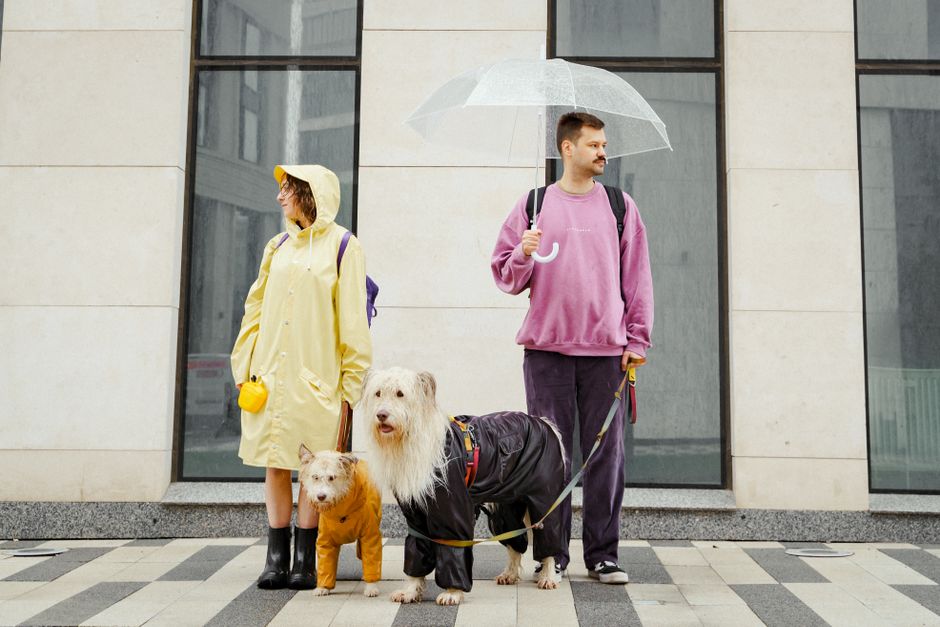
There are several proactive measures you can take to protect your dog or cat during August rainstorms. First, create a safe space indoors where your pet can retreat during loud weather. This might be a quiet bedroom, a cozy closet, or a crate covered with a blanket to muffle thunder and flashes of lightning. Playing gentle music or using a white noise machine can also help mask storm sounds.
Keep windows and doors securely closed to prevent escape attempts, and ensure your pet’s microchip and ID tags are up to date in case they do get out. For dogs who need to go outside for bathroom breaks, try to time walks between storms, and use a leash at all times. Dry your dog thoroughly when you return indoors, paying attention to their paws, ears, and underbelly. For cats, provide extra litter boxes in safe areas, and make sure they have access to clean, dry bedding.
Avoid letting pets drink from puddles or play in standing water, as these can contain harmful microorganisms. If your pet has a history of storm phobia, consider using calming products such as pheromone sprays or anxiety wraps, and consult with our veterinary team about additional options. For pets prone to skin issues or allergies, keep their fur clean and dry, and monitor for any redness, itching, or odor that develops after exposure to rain.
If your pet’s anxiety is severe or if home management strategies are not effective, our veterinarians can help you develop a more comprehensive plan tailored to your pet’s needs.
When to Seek Veterinary Care During Rainy Weather
Most pets will weather August storms with only mild discomfort, but there are situations where professional care is needed. Seek veterinary attention if your pet shows persistent or severe anxiety that interferes with their daily life, such as not eating, refusing to go outside, or injuring themselves while trying to escape. Other warning signs include skin lesions that do not heal, signs of infection after rain exposure (such as swelling, discharge, or strong odor), persistent coughing or gastrointestinal upset, or any sudden change in behavior.
Pets with existing health conditions, such as heart disease, arthritis, or severe allergies, may need extra monitoring during humid or stormy weather. If you are concerned about how the season is affecting your pet’s health, the best approach is to schedule an appointment with our veterinary professionals for a thorough evaluation. Timely intervention can prevent minor issues from becoming serious problems.
Our team is committed to providing guidance and reassurance to pet owners in Bethesda and neighboring communities, whether you are dealing with a nervous puppy, a senior cat with joint pain, or a pet with ongoing allergies.
Keeping Bethesda Pets Happy and Healthy All Season Long
August storms are a fact of life in Bethesda, but with preparation and support, you can help your pet stay safe, calm, and comfortable no matter what the weather brings. Recognizing signs of storm anxiety, understanding the risks of wet weather, and knowing when to reach out for professional help are all key steps in protecting your dog or cat. Our veterinary team at Bradley Hills Animal Hospital is here to guide you through every stormy day, offering expert care and compassionate advice.
If you have questions about your pet’s behavior, health, or comfort during the rainy season, or if you would like to schedule a routine exam, please contact us at (301) 365-5448 or visit our Bethesda location. For more tips and seasonal pet care advice, explore our Bradley Hills Animal Hospital blog with pet care resources. When searching for a vet near me who understands the challenges of Bethesda’s summer weather, trust the experienced veterinary professionals at Bradley Hills Animal Hospital to keep your pets healthy and secure all year long.
This blog is intended for informational purposes only and should not replace individualized veterinary advice. If your pet is experiencing severe symptoms or an emergency, contact your veterinarian immediately.