Essential Spring Health Tips for Bethesda Pet Owners


Essential Spring Health Tips for Bethesda Pet Owners
As spring arrives in Bethesda and the days grow longer, many pet owners find themselves eager to spend more time outdoors with their dogs and cats. This season brings a refreshing change, but it also presents new health concerns for pets. From muddy paws and increased allergens to more frequent play sessions outside, springtime can impact your pet’s wellbeing in unique ways. At Bradley Hills Animal Hospital, located at 7210 Bradley Blvd, Bethesda, MD 20817, our team of veterinarians is here to help you navigate these seasonal shifts. In this blog, we’ll explore essential spring health tips for Bethesda pet owners, including how to prevent common springtime problems, when to seek veterinary care, and how our comprehensive services support your pet’s health as the weather warms up. Whether you’re a long-time resident or new to the area, our local expertise ensures your furry family members can thrive all season long.
Recognizing Springtime Health Concerns in Dogs and Cats
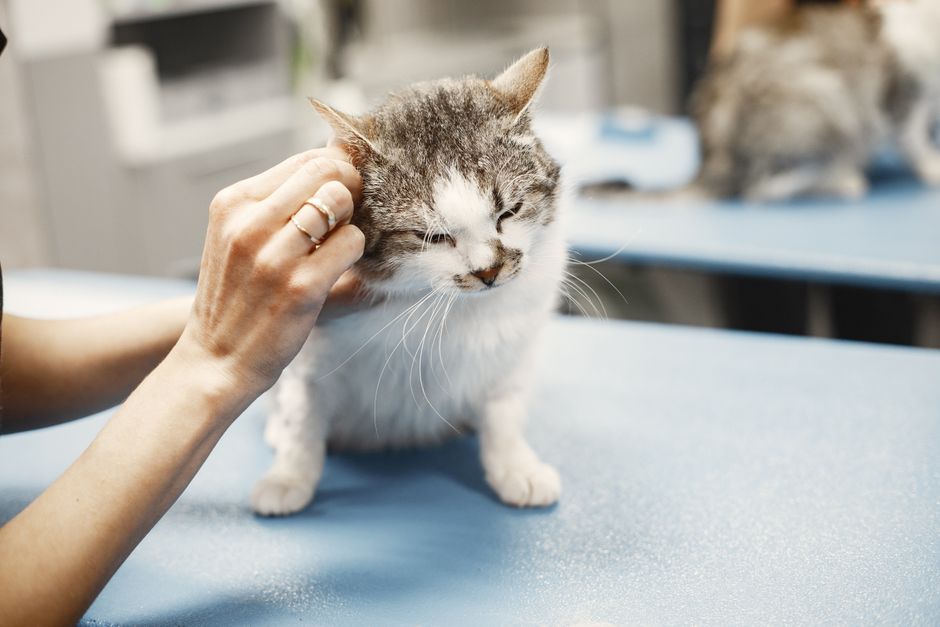
As temperatures rise and plants begin to bloom, pets face a variety of environmental changes that can lead to new health issues. Common problems to watch for during spring include muddy paw infections, increased exposure to outdoor allergens, and overexertion from more frequent play or exercise. Symptoms that may indicate your pet is having trouble adjusting to the season include persistent scratching, licking or biting at their paws, sneezing, watery eyes, and lethargy after time spent outside. Additionally, dogs and cats may develop skin irritations or hot spots, especially if they are exposed to damp, muddy areas or begin shedding their winter coats.
Another concern during spring is the increase in parasites such as fleas and ticks, which become more active as the weather warms. Key signs that your pet may be affected by these pests are excessive scratching, red or inflamed skin, or visible tiny pests in their fur. If your pet is a senior or has underlying health conditions like arthritis, you might also notice that increased outdoor activity leads to stiffness or limping, particularly after longer walks or play sessions. Understanding these signs early can help you address health issues before they become more serious.
Why Spring Causes Health Challenges for Pets
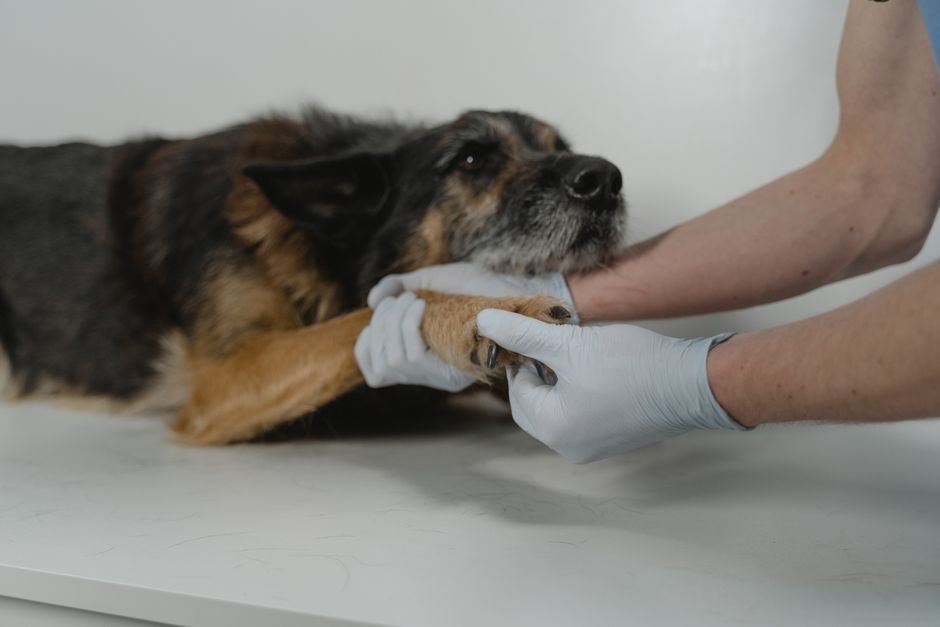
Spring in Bethesda and surrounding communities brings moisture, pollen, and an increase in outdoor adventures, all of which can contribute to pet health challenges. The combination of rain and newly thawed ground often results in muddy conditions, making it easy for dogs and cats to pick up bacteria and fungi on their paws. These organisms can lead to infections, especially if pets already have minor cuts or irritated skin from winter dryness.
Additionally, as plants bloom, airborne allergens such as pollen become prevalent. Pets can develop seasonal allergies just like humans, which often manifest as skin irritation, sneezing, or itchy eyes. Certain breeds are more susceptible to environmental allergies, and these symptoms can be particularly bothersome during springtime outings or after rolling in the grass.
The arrival of spring also means more time spent outside, which is great for your pet’s mental and physical health but can lead to overexertion, especially in older pets or those with chronic conditions. Rapid increases in activity may put extra stress on joints and muscles, contributing to soreness or flare-ups of arthritis. Lastly, the warmer weather creates an ideal environment for fleas, ticks, and mosquitoes, increasing the risk of bites and the transmission of diseases such as Lyme disease and heartworm.
Managing and Treating Common Springtime Pet Health Issues
When springtime health concerns arise, our veterinary team at Bradley Hills Animal Hospital provides a wide range of services to help your pet feel their best. For muddy paw infections or skin irritations, our veterinarians may recommend a thorough cleaning of the affected area, followed by topical or oral medications depending on the severity of the infection. Our dermatology services are designed to diagnose and treat skin conditions, including those caused by bacteria, fungi, or allergies.
If your pet is showing signs of seasonal allergies—such as frequent scratching, licking, or sneezing—we offer allergy testing services to help identify the specific triggers. Once we know what’s causing your pet’s symptoms, we can develop a tailored management plan, which may include medications, specialized shampoos, or changes in your home environment to minimize exposure.
For pets who experience joint discomfort or arthritis flare-ups as activity increases, our arthritis care and management options help keep your dog or cat comfortable and mobile. Our approach may involve anti-inflammatory medications, joint supplements, weight management strategies, and guidance on appropriate exercise routines for your pet’s age and condition.
Parasite prevention is another key component of spring pet health. We recommend year-round parasite control, but spring is a good time to review your current prevention plan with our veterinary professionals. If your pet is due for vaccines that protect against diseases common in spring, such as leptospirosis or Lyme disease, our vaccination services can help keep your pet safe during outdoor adventures.
Preventive Steps and Home Care Tips for a Healthy Spring
While professional veterinary care is essential for diagnosing and treating springtime health issues, there are many steps you can take at home to support your pet’s wellbeing. After outdoor walks or play sessions, gently wipe your dog’s or cat’s paws with a damp cloth to remove mud, pollen, and potential irritants. This helps prevent infections and reduces the amount of allergens your pet brings inside. Regular grooming and brushing will help remove loose fur and minimize matting, which can trap moisture and dirt against the skin.
To manage seasonal allergies, keep windows closed on high-pollen days, and consider using air purifiers inside your home. Bathing your pet with a veterinarian-recommended shampoo can also help wash away allergens and soothe irritated skin. For pets prone to arthritis or joint pain, ease them into increased activity gradually, paying attention to any signs of discomfort. Providing soft bedding and maintaining a healthy weight can also reduce joint stress.
Parasite prevention is most effective when used consistently. Make sure your pet is up to date on their flea, tick, and heartworm preventives, and check for ticks after spending time in grassy or wooded areas. If you notice signs of fleas or ticks on your pet, contact our veterinary professionals promptly for treatment recommendations.
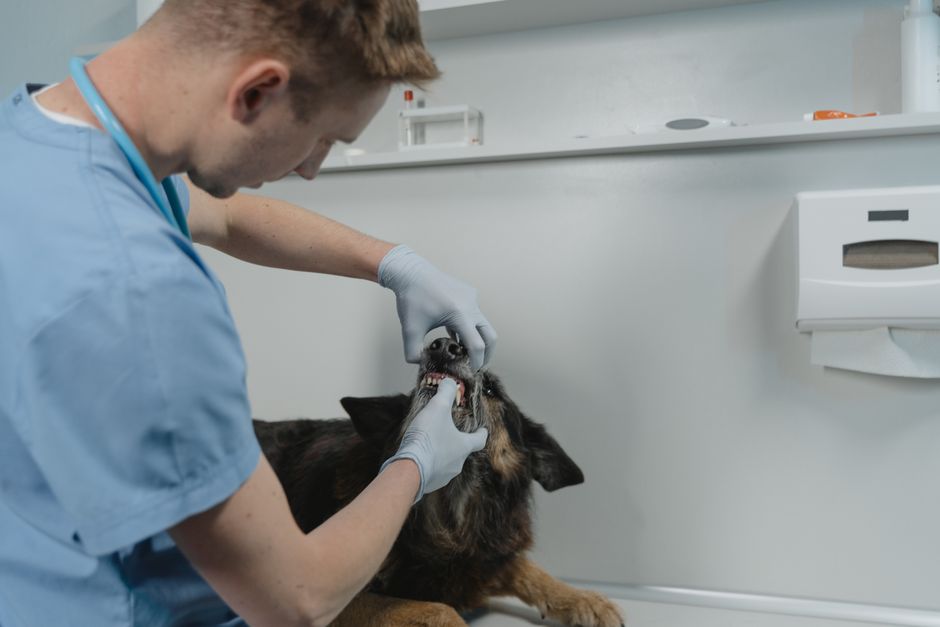
Keeping up with regular veterinary checkups is one of the best ways to catch potential issues early. Scheduling a comprehensive physical exam each spring allows our veterinarians to assess your pet’s overall health, update vaccines, and provide personalized advice for your pet’s needs.
When to Seek Veterinary Care for Springtime Concerns
Knowing when to seek professional veterinary care is crucial for your pet’s health, especially as new symptoms appear during the spring. You should schedule an appointment with our veterinary team if your pet has persistent itching, licking, or biting at their paws or skin that does not improve after home cleaning. Other red flags include open sores, hot spots, swelling, or signs of infection such as pus, redness, and heat.
If your pet displays symptoms of allergies that interfere with daily life—such as frequent sneezing, watery eyes, or difficulty breathing—it’s important to consult with our veterinarians for diagnosis and treatment. Sudden changes in mobility, reluctance to walk, or visible pain after exercise may indicate joint or muscle injuries that require prompt evaluation.
For parasite concerns, immediate veterinary attention is necessary if you find embedded ticks, notice excessive scratching that breaks the skin, or see signs of illness such as fever or lethargy. Similarly, pets that have not been on year-round heartworm prevention should be tested and started on a preventive program as soon as possible.
Keep in mind that early intervention often leads to easier management and better outcomes. Our veterinary professionals are always happy to answer questions and provide guidance on whether your pet’s symptoms warrant an in-person visit.
Supporting Your Pet’s Wellbeing: Local Care from Bradley Hills Animal Hospital
Spring is a season of renewal and fun for pets and their families, but it also brings unique health challenges that require attention and care. By staying vigilant for signs of seasonal issues, practicing preventive home care, and partnering with trusted veterinary professionals, you can help your pet enjoy all the benefits of the season safely.
At Bradley Hills Animal Hospital, we are committed to supporting the health of dogs and cats in Bethesda and surrounding communities with compassionate, comprehensive care. Whether your pet needs a spring wellness check, help managing allergies, or advice on parasite prevention, our team is here to guide you every step of the way. If you’re searching for a veterinarian near me who understands local springtime concerns, we invite you to schedule an appointment with our experienced veterinarians.
To book your spring visit or ask questions about your pet’s health, call us at (301) 365-1690, or stop by our conveniently located clinic at 7210 Bradley Blvd, Bethesda, MD 20817. Our goal is to keep your pets happy, healthy, and thriving all season long. For more educational tips on pet wellness, explore the Bradley Hills Animal Hospital blog or reach out to our veterinary team for personalized support.