Why Heartworm Testing Matters for Bethesda Pets in August


Why Heartworm Testing Matters for Bethesda Pets in August
As the summer heat settles over Bethesda and the days grow longer, many pet owners are spending more time outdoors with their dogs and cats. While August brings opportunities for play and adventure, it also marks a peak season for mosquitoes in our area—making heartworm disease a growing concern for pets. At Bradley Hills Animal Hospital, we understand how important your pet’s health and comfort are to your family. That’s why we emphasize the value of heartworm testing as a crucial part of responsible pet care, especially during the warm, humid months when risk is highest. In this blog, we’ll explain why heartworm testing in Bethesda is so vital in August, what signs to watch for, how the disease spreads, and how you can protect your pet with timely veterinary care. If you’re worried about your dog or cat’s risk this summer, our team of veterinarians is here to help you understand your options and keep your companion healthy.
Recognizing the Risks: Signs Your Pet May Need Heartworm Testing
Heartworm disease can be a silent threat, especially in its early stages. Many pets show no symptoms at all until the infection has advanced, which is why regular heartworm testing is so important. In Bethesda, where mosquito activity surges in late summer, dogs and outdoor cats are at increased risk.
Some subtle signs that may indicate your pet needs heartworm testing include a mild, persistent cough, unusual fatigue after exercise, decreased appetite, or unexplained weight loss. In more advanced cases, symptoms can progress to labored breathing, a swollen abdomen, or sudden collapse. Cats may show vague symptoms such as intermittent vomiting, coughing, or even sudden respiratory distress. Because these signs can mimic other conditions or go unnoticed, it’s easy for heartworm disease to progress without detection.
August is a particularly risky time due to the abundance of mosquitoes. Any dog or cat that spends time outdoors—whether in your backyard, local parks, or even on the porch—is potentially exposed. Indoor pets are not immune, as mosquitoes can easily find their way inside. Regular heartworm testing gives you peace of mind and a chance to catch infections before they become life-threatening.
Understanding Heartworm Disease: How It Develops in Dogs and Cats
Heartworm disease is caused by the parasite Dirofilaria immitis, which is spread by mosquito bites. When a mosquito carrying heartworm larvae bites your dog or cat, the microscopic larvae enter your pet’s bloodstream. Over the course of several months, these larvae mature and migrate to the heart and nearby blood vessels, where they can grow into foot-long adult worms.
Dogs are natural hosts for heartworms, meaning the parasite can thrive and reproduce, leading to a large number of worms and significant damage to the heart, lungs, and arteries. Even a few worms can be deadly for cats, as their bodies are less tolerant of the parasite. While heartworm disease in dogs can cause chronic heart and lung problems, cats may suffer from a condition known as heartworm-associated respiratory disease (HARD), which can be difficult to diagnose without specific testing.
The lifecycle of heartworms means that infection is not immediately apparent. It can take six months or more for adult worms to develop, by which time irreversible damage may have occurred. Because of this delay, annual or semi-annual heartworm testing is the best way to detect infection before your pet shows symptoms or serious health issues arise.
Heartworm Testing: How It Works and What to Expect
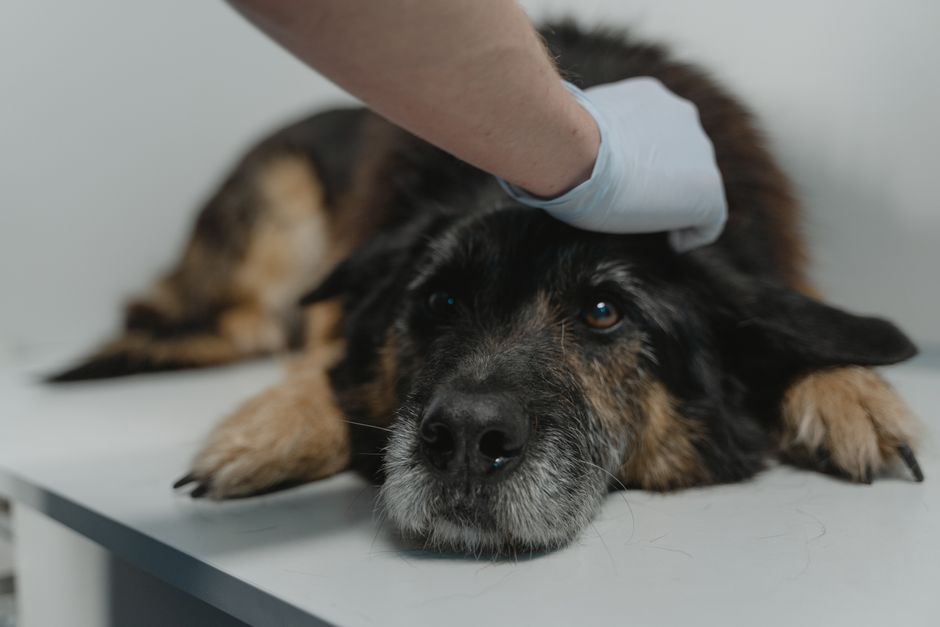
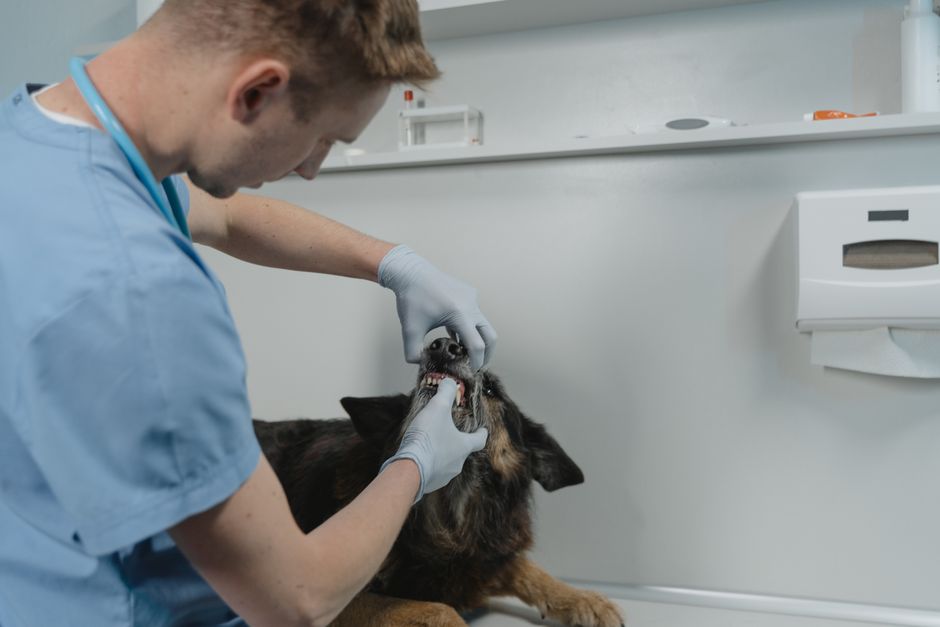
At Bradley Hills Animal Hospital, heartworm testing is a simple, safe, and highly effective way to protect your pet’s health. During your visit, our veterinary team will take a small blood sample from your dog or cat. For dogs, this sample is checked for the presence of heartworm proteins, known as antigens, which indicate adult female heartworms are present. In cats, testing is more complex and may involve both antigen and antibody tests due to the unique way heartworm disease affects felines.
The test itself is quick and minimally invasive, with results often available during the same appointment. If the test is negative, you can confidently continue your pet’s preventive medication, knowing your companion is protected. If the test is positive, our veterinarians will discuss the next steps with you, which may involve additional diagnostics to assess the severity of the infection and create a tailored treatment plan.
For both dogs and cats, we recommend yearly heartworm testing as part of your pet’s comprehensive physical exam, especially if there have been any lapses in prevention, missed doses, or changes in lifestyle that increase risk. Our diagnostic laboratory at Bradley Hills Animal Hospital is equipped to provide fast, accurate results so you never have to wait long for answers.
What Happens If My Pet Tests Positive?
A positive heartworm test can be worrying, but early detection is key to a successful outcome. For dogs, treatment involves a carefully monitored protocol to kill the adult worms while minimizing risk to your pet. This includes a series of injections, activity restriction, and supportive care to manage inflammation as the worms are eliminated. The process can take several months, and close follow-up is needed to make sure your dog recovers fully.
Cats have a different treatment approach, as there is no approved medication to kill adult heartworms in felines. Instead, treatment focuses on managing symptoms, supporting respiratory function, and closely monitoring your cat’s health. In some cases, the body may eliminate the worms on its own, but ongoing care and regular check-ups are essential to keep your cat comfortable and safe.
Prevention and Home Care: Keeping Your Pet Safe from Heartworm Disease
The best defense against heartworm disease is prevention. Monthly preventive medications, available in chewable, topical, or injectable form, are highly effective at stopping heartworm larvae from developing into adult worms. These preventives are safe for both dogs and cats and are often combined with protection against other parasites such as fleas and intestinal worms.
Consistent, year-round use of heartworm prevention is vital in Bethesda and surrounding communities, as our mild winters allow mosquitoes to remain active for much of the year. Missing even a single dose can leave your pet vulnerable, especially during the high-risk summer months. In addition to medication, reducing standing water around your home, using pet-safe mosquito repellents, and keeping pets indoors during peak mosquito hours can help limit exposure.
Regular heartworm testing is the cornerstone of a good preventive plan. Even pets on preventive medication should be tested annually to catch any breakthrough infections and ensure their protection is working as intended. Our veterinarians can help you create a prevention schedule tailored to your pet’s needs and lifestyle, whether your companion is an adventurous dog who loves local trails or a cat who prefers window watching from the comfort of your living room.
When to Seek Veterinary Care for Heartworm Concerns
If you notice any of the warning signs described earlier—such as coughing, lethargy, trouble breathing, or sudden changes in behavior—it’s important to schedule an appointment with your veterinarian right away. Early intervention can make all the difference in your pet’s outcome. Additionally, if your pet has missed one or more doses of preventive medication, has a history of mosquito exposure, or has never been tested, contact Bradley Hills Animal Hospital to arrange prompt heartworm testing.
Annual check-ups are a great time to discuss your pet’s risk factors and update their preventive care, but you do not have to wait for a scheduled wellness visit if you have concerns. Our veterinary professionals are always here to answer your questions and provide guidance on the best course of action for your dog or cat.
Why August Is Prime Time for Heartworm Testing in Bethesda
August’s warm, humid climate in Bethesda creates an ideal environment for mosquitoes, increasing the likelihood of heartworm transmission. As local mosquito populations reach their peak, pets become more exposed through outdoor activities, walks, and even brief time spent outside. With heartworm disease on the rise across the country, proactive testing is more important than ever for Bethesda pets.
Scheduling heartworm testing during August ensures that any new infections are caught before they can cause lasting harm. It also gives you the reassurance that your preventive measures are working and your pet is safe. At Bradley Hills Animal Hospital, we recommend this seasonal approach to testing as part of a comprehensive wellness strategy tailored to our region’s unique challenges.
Trust Bradley Hills Animal Hospital for Heartworm Testing and Preventive Care
Your pet’s health and happiness are our top priorities at Bradley Hills Animal Hospital. As your local veterinary partner in Bethesda, we are committed to providing thorough, compassionate care that keeps your dog or cat healthy all year long. Our team of veterinarians offers expert heartworm testing, personalized prevention plans, and ongoing support so you can enjoy peace of mind—no matter what summer brings.
If you are searching for a trustworthy "vet near me" this August, let our veterinary team help you protect your companion from heartworm disease. To schedule heartworm testing or discuss your pet’s preventive care, call us at (301) 365-5448 or visit our convenient location at 7210 Bradley Blvd, Bethesda, MD 20817. You can also learn more about our heartworm testing services and explore our comprehensive physical exams and diagnostic laboratory capabilities online.
Don’t let heartworm disease threaten your pet’s quality of life. Take the proactive step this summer and make heartworm testing in Bethesda part of your annual pet care routine. Your pet deserves the best protection—trust Bradley Hills Animal Hospital to deliver it.