Fall Pet Safety Tips for Bethesda Dog and Cat Owners
Fall Pet Safety Tips for Bethesda Dog and Cat Owners
As autumn settles into Bethesda, the cooler air and changing scenery bring new adventures for you and your pets. However, with the arrival of fall also come unique seasonal hazards for dogs and cats. At Bradley Hills Animal Hospital, located at 7210 Bradley Blvd, Bethesda, MD 20817, our veterinary team is dedicated to helping pet owners keep their animals safe, healthy, and happy during this beautiful time of year. Whether you are exploring neighborhood parks with your dog or making your home cozy for your indoor cat, being aware of autumn dangers can protect your pet from preventable health issues. In this blog, we will discuss common fall hazards in the Bethesda area, explain how to recognize trouble signs in your pet, offer practical prevention tips, and let you know when to schedule a visit with our veterinarians.
By the end of this guide, you'll be equipped with the knowledge to enjoy the season alongside your dog or cat while minimizing risks. If you have questions about your pet’s health or want personalized advice, our team at Bradley Hills Animal Hospital is always here to help.
Recognizing Fall Hazards for Dogs and Cats
Understanding which autumn dangers pose the greatest risk to your pet is the first step in prevention. In the fall, pet owners should be especially mindful of certain symptoms and environmental changes. Signs that your pet may have encountered a seasonal hazard include sudden vomiting or diarrhea, unexplained lethargy, limping after walks, increased scratching or skin irritation, and changes in appetite or behavior. For example, if your dog becomes sluggish after a hike or your cat starts hiding and refusing food, these could indicate exposure to toxic plants, ingestion of hazardous foods, or the onset of a cold-related illness.
Other warning signs to watch for are limping, difficulty breathing, swelling around the mouth or face, or persistent coughing and sneezing. These symptoms may point to issues ranging from allergic reactions to respiratory infections or accidental poisoning. Since many fall dangers can mimic other common illnesses, it is important to pay close attention to changes in your pet’s normal behavior and routine.
If you notice persistent vomiting or diarrhea, especially after a holiday meal or time spent outdoors, our resource on when vomiting or diarrhea in dogs may require veterinary attention can help you determine next steps. Similarly, if your cat is suddenly hiding or not eating, our guide on when hiding and loss of appetite in cats may require veterinary attention offers useful information.
Why Fall Poses Unique Risks for Bethesda Pets
Autumn in Bethesda brings cooler temperatures, shorter days, and an array of seasonal changes that can impact your pet’s health. As leaves fall and gardens are cleaned up, certain toxic plants and mushrooms become more accessible to curious dogs and cats. Many common mushrooms that appear in damp lawns or wooded areas can cause gastrointestinal upset or even organ failure if ingested.
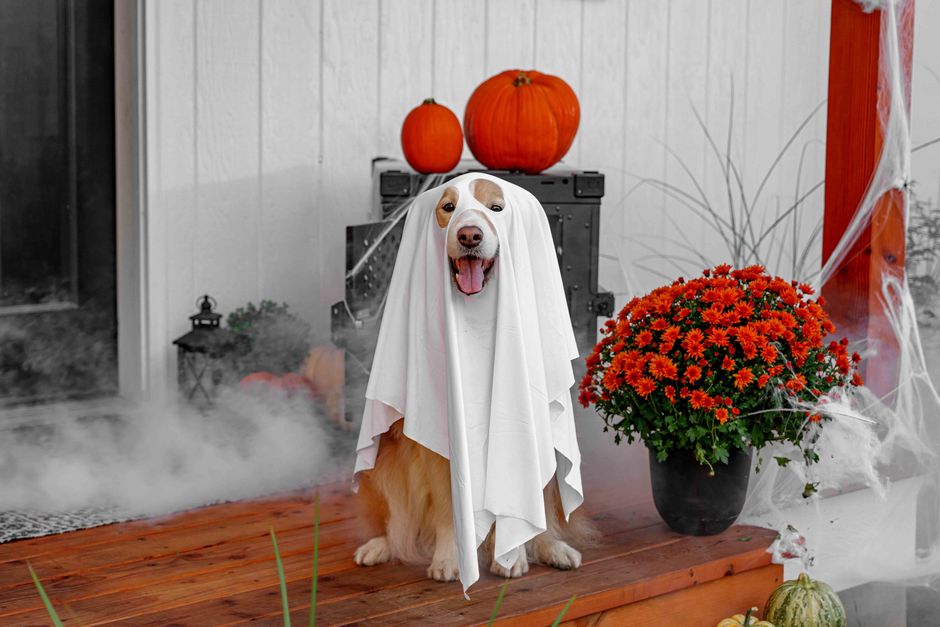
Holiday celebrations such as Halloween and Thanksgiving introduce new foods and decorations to your home. Foods like chocolate, grapes, raisins, onions, garlic, and fatty table scraps are all hazardous to pets. Additionally, candy wrappers, decorative corn, and small holiday toys can pose choking or intestinal blockage risks, especially for playful dogs and inquisitive cats.
Cooler weather also means pets may be exposed to antifreeze spills in driveways or garages. Even a small amount of antifreeze is highly toxic to both dogs and cats, causing kidney failure if not treated immediately. Further, some pets develop seasonal allergies in response to mold spores, pollen, or dust from fallen leaves, leading to increased scratching, sneezing, or skin flare-ups.
Lastly, as the days get shorter and walks may occur during dawn or dusk, reduced visibility can increase the risk of accidents, especially for pets who are not wearing reflective gear. These factors make autumn a season that requires extra vigilance and preparation for pet owners.
How Bradley Hills Animal Hospital Treats Fall-Related Pet Health Issues
If your pet encounters a seasonal hazard, prompt veterinary care is critical to ensure the best outcome. At Bradley Hills Animal Hospital, our team of veterinarians provides a full range of diagnostic and treatment services for dogs and cats. When you bring your pet in for a concern such as vomiting, lethargy, limping, or suspected poisoning, our comprehensive approach may include a physical examination and wellness care, diagnostic laboratory testing, and advanced imaging such as radiographs or ultrasound to accurately identify the problem.
For pets that have ingested toxic substances, we may recommend blood tests to evaluate organ function, administer medications to induce vomiting if appropriate, and provide supportive care such as intravenous fluids, anti-nausea medication, or hospitalization depending on the severity of the exposure.
Allergic reactions and skin flare-ups are managed with a combination of diagnostic tests to identify the allergen, topical or oral medications to reduce itching and inflammation, and advice on environmental management. Injuries from slips or falls, which are more common on wet autumn leaves or icy patches, are treated with pain management, wound care, or orthopedic support as needed.
Our goal is to provide thorough, compassionate care tailored to your pet’s unique needs, whether the issue is minor or more serious. Through early intervention and ongoing monitoring, we help your pet recover quickly and comfortably.
Preventing Fall Hazards: Tips for a Safe Autumn with Your Pet
Taking proactive steps at home and outdoors can significantly reduce the risk of seasonal hazards for your dog or cat. Start by inspecting your yard and common walking routes for mushrooms, fallen nuts, and unfamiliar plants; remove these promptly to prevent accidental ingestion. When using antifreeze or other chemicals, clean up spills immediately and store containers out of reach.
During holiday meals, keep table scraps, chocolate, and foods containing onions, garlic, grapes, or raisins away from pets. Remind family and guests not to feed your pets from their plates, no matter how tempting those pleading eyes may be. Secure trash cans with tight-fitting lids to prevent scavenging.
For pets with known allergies or sensitive skin, limit outdoor time on days with high mold or pollen counts and bathe your pet regularly to remove allergens. If your dog enjoys autumn hikes, consider using a reflective collar or leash to improve visibility as daylight hours decrease.
It is also a good time to review your pet’s vaccination status and schedule a wellness examination to catch any underlying health issues before they become serious. Regular visits to Bradley Hills Animal Hospital help ensure that your pet is protected against common preventable diseases and is in the best possible health to face seasonal challenges.
When to Schedule a Veterinary Visit for Fall Concerns
Knowing when to seek professional help can make all the difference for your pet’s health. Contact our veterinary team if your pet displays symptoms such as persistent vomiting, diarrhea, sudden lethargy, refusal to eat, limping, or signs of pain. Immediate attention is especially important if you suspect your dog or cat has ingested antifreeze, toxic plants, or unfamiliar mushrooms, as these exposures can quickly become life-threatening.
If your dog is experiencing ongoing digestive upset after a holiday gathering, or your cat is hiding and not eating, refer to our articles on vomiting or diarrhea in dogs and hiding and loss of appetite in cats for detailed guidance. These resources can help you determine whether your pet’s symptoms require urgent attention.
For ongoing issues like skin irritation, allergies, or lameness, scheduling an appointment with our veterinarians for a comprehensive evaluation allows us to recommend appropriate treatment and keep your pet comfortable throughout the season. Remember, early intervention often leads to better outcomes and less stress for both you and your pet.
Keeping Bethesda Pets Safe and Healthy All Autumn Long
Fall is a wonderful season for making memories with your dogs and cats, but it is also a time to be proactive about pet safety. By staying alert to seasonal risks, practicing prevention at home, and relying on trusted veterinary care, you can help your pet thrive through every colorful, crisp day.
If you have questions about fall hazards, need to update your pet’s vaccines, or want to schedule a wellness examination, Bradley Hills Animal Hospital is here for you. Our experienced veterinary team is proud to serve Bethesda and surrounding communities with high-quality, compassionate care. To schedule an appointment, call us at (301) 365-5448 or visit us at 7210 Bradley Blvd, Bethesda, MD 20817.
When searching for a veterinarian near me, choosing Bradley Hills Animal Hospital ensures your pet receives the dedicated attention and expertise they deserve all year round. Let us partner with you to keep your beloved companion safe this fall and beyond.