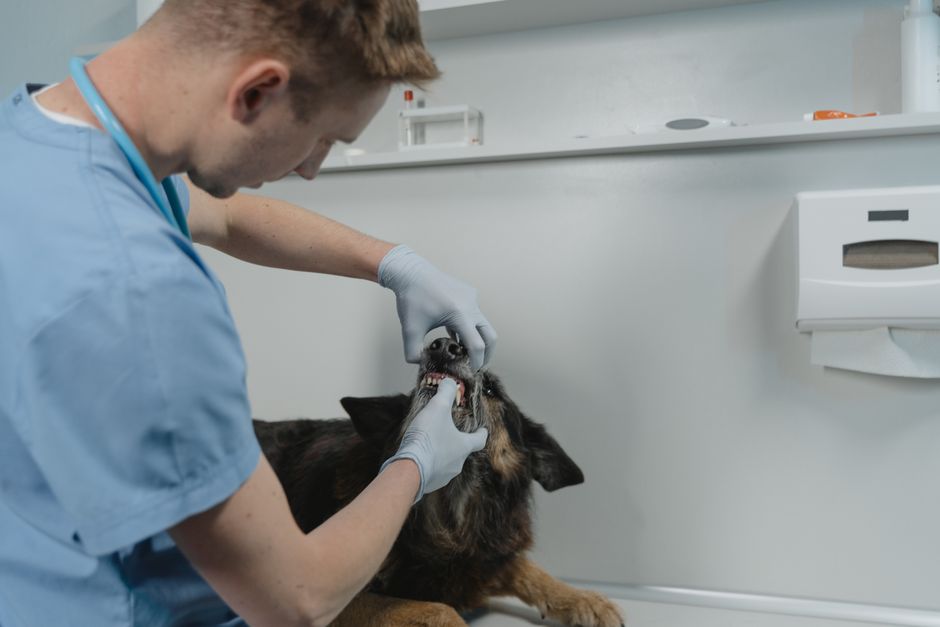
Understanding Arthritis in Bethesda’s Senior Cats and Dogs

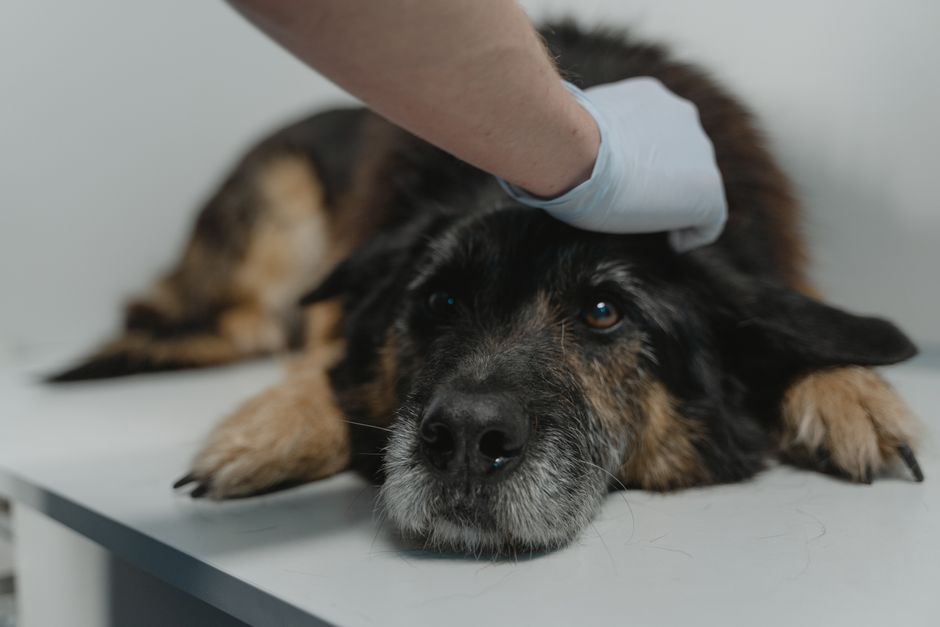
Understanding Arthritis in Bethesda’s Senior Cats and Dogs
As your beloved dog or cat grows older, you might notice subtle changes in their behavior, activity level, or comfort at home. For many pet owners in Bethesda, these shifts can be worrying—especially when a once-playful companion seems to slow down or struggles to get comfortable. Arthritis is one of the most common reasons senior pets experience stiffness, pain, and reduced mobility. At Bradley Hills Animal Hospital, located at 7210 Bradley Blvd, Bethesda, MD 20817, our veterinary team is dedicated to helping you understand, manage, and improve your senior pet’s quality of life. In this blog, we’ll explore how to recognize arthritis in older dogs and cats, what causes this joint disease, effective management strategies, and how our science-backed care can support your pet’s comfort and mobility.
Whether you’re just starting to notice the signs or your pet has been diagnosed with arthritis, you’ll find practical guidance to help your companion thrive in their golden years. We’ll also discuss when it’s time to schedule an appointment and how comprehensive arthritis care and management at Bradley Hills Animal Hospital can make a meaningful difference for your family.
Recognizing Arthritis in Senior Cats and Dogs
Arthritis, also known as osteoarthritis or degenerative joint disease, is a progressive condition that affects the joints, leading to pain, inflammation, and reduced mobility. It’s especially common in older pets, but the early signs can be easy to miss or mistaken for normal aging. Being able to spot symptoms early gives your pet the best chance at maintaining comfort and activity.
Common Warning Signs of Arthritis
Key symptoms of arthritis in senior dogs include difficulty rising from lying down, reluctance to jump onto furniture or into the car, limping after exercise or long walks, and stiffness that improves as the day goes on. You may notice your dog hesitating on stairs or showing less enthusiasm for favorite games. For senior cats, signs are often more subtle. Watch for decreased interest in jumping up to windowsills or countertops, grooming less thoroughly (especially over the back and tail), hiding more frequently, or urinating outside the litter box due to discomfort bending or stepping in.
Additionally, both dogs and cats with arthritis might show changes in temperament, such as irritability when touched near painful joints or withdrawal from family interactions. If you notice these changes, a veterinary evaluation is the best next step to determine whether arthritis or another health issue is responsible.
What Causes Arthritis in Older Pets?
Arthritis develops when the protective cartilage within a joint gradually wears away, leading to inflammation, pain, and restricted movement. In senior pets, this process is usually the result of a lifetime of normal activity; however, certain factors can accelerate joint degeneration.
Risk Factors for Arthritis
Common risk factors include a history of joint injuries, being overweight, breed predispositions (such as Labrador Retrievers, German Shepherds, and Maine Coons), congenital joint problems like hip or elbow dysplasia, and previous orthopedic surgery. In cats, arthritis is often underdiagnosed because they hide pain so well, but studies suggest the majority of cats over age ten have some degree of joint degeneration. Cold, damp fall and winter weather in Bethesda can also make arthritis symptoms more noticeable as joints become stiffer.
Understanding these factors can help you and your veterinary team at Bradley Hills Animal Hospital develop a proactive approach to your pet’s joint health, especially as they enter their senior years.
Professional Arthritis Treatment and Management
If your pet is diagnosed with arthritis, you’re not alone—this is one of the most common conditions we manage for senior dogs and cats in Bethesda and surrounding communities. The good news is that with the right combination of veterinary care, lifestyle adjustments, and ongoing monitoring, most pets can continue to enjoy happy, comfortable lives.
Diagnostic Tools and Veterinary Evaluation
A thorough veterinary examination is the foundation of effective arthritis management. Our team utilizes a combination of hands-on assessment and advanced diagnostic tools, including digital radiology, to evaluate the extent of joint changes and rule out other causes of pain or lameness. For dogs experiencing limping or joint pain, we provide detailed guidance and evaluation to pinpoint the source of discomfort.
Medical Management Options
Treatment approaches for arthritis involve a combination of pain relief, joint support, and lifestyle modification. Medications such as non-steroidal anti-inflammatory drugs (NSAIDs) are often prescribed to reduce inflammation and manage pain. For some pets, adjunct therapies like joint supplements (including glucosamine and chondroitin), omega-3 fatty acids, and prescription diets may also help slow joint degeneration and improve mobility.
Physical therapy, controlled exercise routines, and weight management are essential components of arthritis care. Maintaining a healthy weight reduces strain on joints, while gentle, regular activity helps keep muscles strong and joints flexible. In certain cases, advanced options like laser therapy or orthopedic surgery may be considered for pets with severe or unresponsive arthritis. Our veterinarians will work closely with you to create a customized plan tailored to your pet’s needs and lifestyle.
To learn more about our comprehensive approach to managing arthritis and mobility issues, visit our page on arthritis care and management services for senior dogs and cats.
At-Home Support and Lifestyle Adjustments
Caring for a senior pet with arthritis goes beyond medication. Simple adjustments around your home can make a significant difference in your dog or cat’s comfort and ability to participate in daily activities.
Home Modifications for Your Dog or Cat
Providing soft, supportive bedding in areas free from drafts helps soothe sore joints, especially during Bethesda’s chilly fall and winter months. Non-slip rugs or mats on slippery floors can prevent falls and make it easier for your pet to move around. For dogs, consider using ramps for vehicles or stairs and raising food and water bowls to reduce strain. For cats, adding low-sided litter boxes and accessible perches or steps encourages continued independence and activity.
Consistent, gentle exercise is key. Daily walks for dogs and interactive play sessions for cats can help maintain mobility without overexertion. Avoid sudden increases in activity or high-impact play that could worsen joint pain.
Nutrition plays a role as well. Keeping your pet at a healthy weight is one of the most effective ways to reduce joint strain and slow arthritis progression. Your veterinarian may recommend a specific diet or supplements to further support joint health.
When to Seek Veterinary Care for Arthritis
Recognizing when your senior pet needs professional help is crucial. While some stiffness and slowing down can be expected with age, persistent pain, difficulty moving, or changes in behavior should never be ignored.
Signs Your Pet Needs a Veterinary Evaluation
If your dog or cat is consistently limping, has difficulty standing or walking, shows reluctance to move, or seems to be in pain when touched, it’s time to schedule an evaluation. Loss of appetite, withdrawal from family activities, or accidents in the house can also indicate arthritis has progressed to a point where intervention is needed. Our veterinary team at Bradley Hills Animal Hospital can provide a comprehensive physical examination, discuss the best options for your pet, and help you understand what to expect.
For ongoing monitoring, especially in senior pets, we recommend semi-annual comprehensive exams to detect changes early and adjust care plans as needed. This proactive approach ensures your pet’s comfort is always a priority.
Supporting Your Senior Pet’s Quality of Life
Arthritis may be a lifelong condition, but with attentive care and expert guidance, your senior dog or cat can continue to enjoy their favorite activities and companionship. At Bradley Hills Animal Hospital, we’re committed to supporting you and your pet every step of the way. From diagnosis and treatment to at-home recommendations and regular check-ins, our veterinarians are your partners in keeping your companion comfortable and active.
Remember, maintaining open communication with your veterinary team and acting promptly when you notice changes can make all the difference in your pet’s quality of life.
Schedule an Arthritis Evaluation at Bradley Hills Animal Hospital
If you suspect your senior dog or cat is showing signs of arthritis, don’t wait for their discomfort to worsen. Our team at Bradley Hills Animal Hospital, serving Bethesda and surrounding communities, is here to help your pet stay mobile and pain-free. Schedule an appointment today for an arthritis evaluation, or ask about our lameness evaluation and arthritis treatment options to see how we can support your pet’s unique needs. When searching for a vet near me, choose a local practice with expertise in senior pet care and a compassionate approach to every animal.
Contact us at (301) 365-5448 or visit us at 7210 Bradley Blvd, Bethesda, MD 20817 to learn more about our services and how we can help your senior pet enjoy more comfortable, active years by your side.
This blog is intended to provide general information and should not replace professional veterinary advice. If your pet is experiencing pain or sudden changes in behavior, contact your veterinarian promptly for a thorough evaluation.