Summer Safety Tips for Bethesda Dogs and Cats
Summer Safety Tips for Bethesda Dogs and Cats
Summertime in Bethesda brings longer days and plenty of outdoor fun, but it also presents unique challenges for dogs and cats. As the temperatures climb, pet owners often worry about dehydration, overheating, thunderstorm anxiety, and other seasonal risks. At Bradley Hills Animal Hospital, we understand how much you want to keep your pets comfortable and safe—whether you are planning backyard barbecues, daily walks, or family vacations. Our veterinarians are here to provide guidance and support, helping you navigate the summer months with confidence. In this blog, we will discuss how to recognize signs of heat-related problems, why summer hazards occur, practical steps to keep your dogs and cats protected, and how our veterinary team in Bethesda can help with everything from routine wellness checks to managing allergy flare-ups. If you are seeking comprehensive advice for pet summer safety in Bethesda and surrounding communities, you are in the right place.
Recognizing Summer Hazards for Pets
Summer can be hard on pets, especially when the weather is hot and humid. It is important to know when your dog or cat might be struggling with the heat or other seasonal threats. Common symptoms of heat stress include excessive panting, drooling, rapid heartbeat, or weakness in dogs, while cats may become lethargic or seek out cool, hidden spots. If your pet is vomiting, having difficulty breathing, or collapses after being outside, these may indicate a more serious problem like heatstroke. Dehydration often shows up as sunken eyes, dry gums, or skin that does not bounce back quickly when gently pinched. During summer thunderstorms, some pets display anxiety by hiding, pacing, trembling, or vocalizing. Additionally, itchy skin, red bumps, or ear infections may signal seasonal allergies, which tend to flare up during warmer months. Paying close attention to these signs can help you take action before a minor concern becomes an emergency.
Why Summer Brings Extra Risks for Dogs and Cats
Bethesda’s summer climate can be deceptively intense for pets, even on days that feel comfortable to us. Unlike people, dogs and cats cannot sweat efficiently to cool themselves; they rely on panting or limited sweating through their paw pads. When the humidity is high, it becomes even harder for them to regulate body temperature. Pets with thick coats, short noses, or underlying health conditions face additional risk. Asphalt and concrete surfaces can become dangerously hot, burning sensitive paw pads within minutes. Outdoor activities, such as hiking or playing fetch, increase the risk of overheating and dehydration. Summer also means more exposure to ticks, mosquitoes, and allergens—factors that can lead to itching, skin irritation, or even diseases like heartworm. Thunderstorms and fireworks are common stressors during summer, often causing anxiety and behavioral changes in both dogs and cats. By understanding these risks, you can better prepare to keep your pets healthy all season long.
Managing Heat and Hydration: Professional Veterinary Guidance
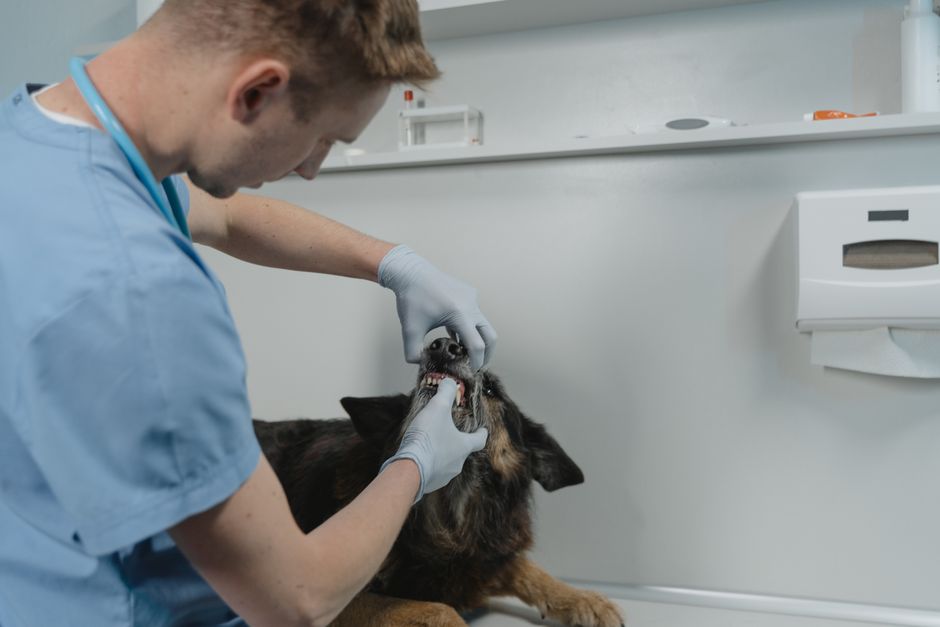
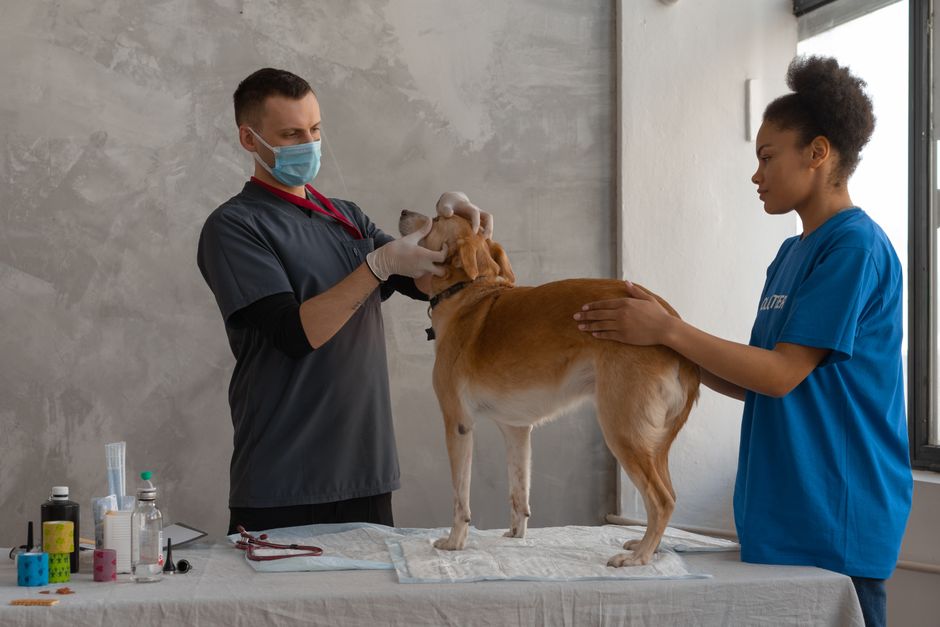
When it comes to protecting your pets from summer hazards, the team at Bradley Hills Animal Hospital offers a range of services to support their health. If your dog or cat is struggling with recurring skin or ear issues, our dermatology services can help diagnose and treat a variety of conditions, from allergies to infections. For pets experiencing persistent itching or suspected environmental allergies, our allergy testing services provide answers and targeted solutions. Routine comprehensive physical exams are especially important during the summer, as they allow our veterinarians to spot early signs of heat stress, dehydration, or seasonal illnesses. We also offer guidance on safe outdoor activities, appropriate hydration strategies, and how to recognize when your pet’s symptoms require medical attention. Our approach is tailored to your individual pet’s needs, age, breed, and lifestyle.
Addressing Thunderstorm and Firework Anxiety
For many dogs and cats, the sound of summer storms or fireworks can trigger serious anxiety. Common management strategies include creating a safe, quiet space for your pet, using calming pheromone diffusers, and providing distraction with favorite toys or treats. In cases of severe fear, our team may recommend behavior modification techniques, prescription medications, or supportive therapies. It is important to discuss any behavioral changes with your veterinarian, as anxiety can sometimes be a sign of an underlying medical issue.
Preventive Steps: Keeping Your Pets Cool and Comfortable at Home
There are many ways you can help your dog or cat stay safe and comfortable during the summer months. First, always ensure your pet has access to fresh, cool water and shaded areas, both indoors and outside. Walk dogs during early morning or late evening to avoid peak heat, and test surfaces with your hand before letting them walk on pavement. Never leave pets unattended in parked cars, even for a few minutes, as temperatures can rise quickly to dangerous levels. Regular grooming helps prevent matting and allows for better airflow, but avoid shaving double-coated breeds, as their fur also provides protection from sunburn. For pets prone to allergies, frequent bathing with veterinarian-approved shampoos can help remove pollen and allergens from the coat. Keeping windows and doors securely closed on stormy days will help anxious pets feel safer, while background noise like music or white noise can mask thunder and fireworks.
If your pet enjoys time in the yard, make sure fences are secure and there are no toxic plants or chemicals within reach. Supervise outdoor play during hot weather, and consider setting up a kiddie pool or cooling mat for dogs who like to splash. For cats, interactive toys and indoor enrichment can provide exercise without exposure to high temperatures or allergens.
When to Seek Veterinary Care in the Summer
Knowing when to contact your veterinarian is crucial for your pet’s safety. Immediate veterinary attention is needed if your pet collapses, has trouble breathing, or shows signs of heatstroke such as vomiting, diarrhea, or seizures. Pets that are not drinking, have persistent lethargy, or develop unresponsive skin problems should also be evaluated promptly. If your dog or cat is experiencing severe anxiety that leads to destructive behavior, self-injury, or refusal to eat, professional guidance is recommended. Any sudden changes in behavior, appetite, or energy can be a sign of a serious issue, especially during the summer months when environmental factors can quickly affect your pet’s health.
Bradley Hills Animal Hospital provides timely medical care for both urgent and routine summer concerns. Our comprehensive exams and targeted diagnostic services help us quickly identify and address seasonal problems, ensuring your pets receive the care they need without delay. If you are unsure whether your pet’s symptoms are serious, our veterinary team is just a phone call away to help you decide on the next steps.
Supporting Your Pet’s Wellness All Summer Long
Summer should be a season of fun and relaxation for both you and your pets. By staying alert to warning signs, taking preventive steps, and seeking professional care when needed, you can help your dog or cat thrive in Bethesda’s warm weather. At Bradley Hills Animal Hospital, we are here to partner with you in every aspect of your pet’s health—from routine comprehensive physical exams to advanced allergy testing and dermatology services. If you have questions about summer safety or want to schedule a checkup, please call us at (301) 365-5448 or visit us at 7210 Bradley Blvd, Bethesda, MD 20817.
When searching for a vet near me in Bethesda, our compassionate veterinary team is dedicated to providing high-quality care and peace of mind. Let us help you keep your pets safe, healthy, and happy all summer long.
This blog is provided for informational purposes only and should not replace professional veterinary advice. If you are concerned about your pet’s health, always consult your veterinarian directly.