Cold Weather Pet Health Tips for Bethesda Dog and Cat Owners
Cold Weather Pet Health Tips for Bethesda Dog and Cat Owners
As November arrives in Bethesda and temperatures begin to dip, many pet owners start to worry about how the colder weather will affect their dogs and cats. At Bradley Hills Animal Hospital, we understand that keeping your pets comfortable, healthy, and safe during the chillier months is a top priority. With autumn winds blowing and winter just around the corner, it is important to know how to protect your furry companions from seasonal risks like cold-related joint discomfort, dry skin, and exposure to indoor hazards. In this blog, our veterinary team will guide you through the essential cold weather pet health tips every Bethesda-area dog and cat owner should know. We will cover how to recognize the signs that your pet may be struggling with the cold, explain why these issues arise, discuss how our team can help, and share practical steps you can take at home to ensure your pets stay happy and healthy all season long. If you are seeking trusted veterinary care in Bethesda and surrounding communities, you can rely on Bradley Hills Animal Hospital for comprehensive support.
Recognizing Cold Weather Problems in Your Dog or Cat
When the weather turns cold, your pet's behavior and health can change in subtle or obvious ways. Some of the most common signs that the cold may be affecting your dog or cat include shivering, reluctance to go outside, limping after walks, or seeking out warm spots in your home more than usual. Additionally, you might notice dry, flaky skin, increased scratching, or a dull coat as the indoor air dries out with increased heating. Senior pets, young puppies and kittens, and those with existing medical conditions are often more sensitive to cold temperatures, so extra vigilance is needed in these groups.
Watch for symptoms such as decreased activity, difficulty rising after resting, or persistent licking and biting at their paws or skin. In some cases, cold weather may worsen underlying conditions like arthritis, leading to joint stiffness or a noticeable limp. Cats may become more withdrawn and spend more time hiding, while dogs might show signs of lethargy or reluctance to exercise. It is also important to be aware of indoor hazards that become more prominent in winter, such as exposure to antifreeze, rodenticides, or holiday plants that can be toxic if ingested.
If you notice your pet showing changes like limping, persistent scratching, or hiding and not eating, these can be indicators of discomfort or illness that should not be ignored. Our veterinary professionals can help assess whether these symptoms are weather-related or signs of a more serious health issue.
Why Cold Weather Affects Pet Health
Colder temperatures and decreased humidity present a unique set of challenges for dogs and cats in Bethesda. Pets lose body heat much more quickly in the cold, especially if they have thin coats, are elderly, or have certain medical conditions. Short-haired breeds, small dogs, and senior cats are often the first to feel the effects of chilly air during walks or outdoor playtime. As the temperature drops, heating systems turn on in our homes, which can reduce indoor humidity and lead to dry, itchy skin in pets as well as people.
For pets with arthritis or joint issues, cold weather can cause muscles to stiffen and inflammation to worsen, making movement more uncomfortable. Some dogs and cats may also develop dry or cracked paw pads from repeated exposure to cold pavement, road salt, or ice-melting chemicals, which can further irritate sensitive skin.
Indoor dangers also increase during the colder months. As we spend more time inside, pets may be exposed to household toxins such as antifreeze, which is highly attractive and deadly to both dogs and cats, as well as decorative plants like holly, mistletoe, or poinsettias. The combination of environmental changes and increased exposure to potential hazards means pet owners must stay vigilant throughout the fall and winter.
Veterinary Treatment and Support for Cold Weather Issues
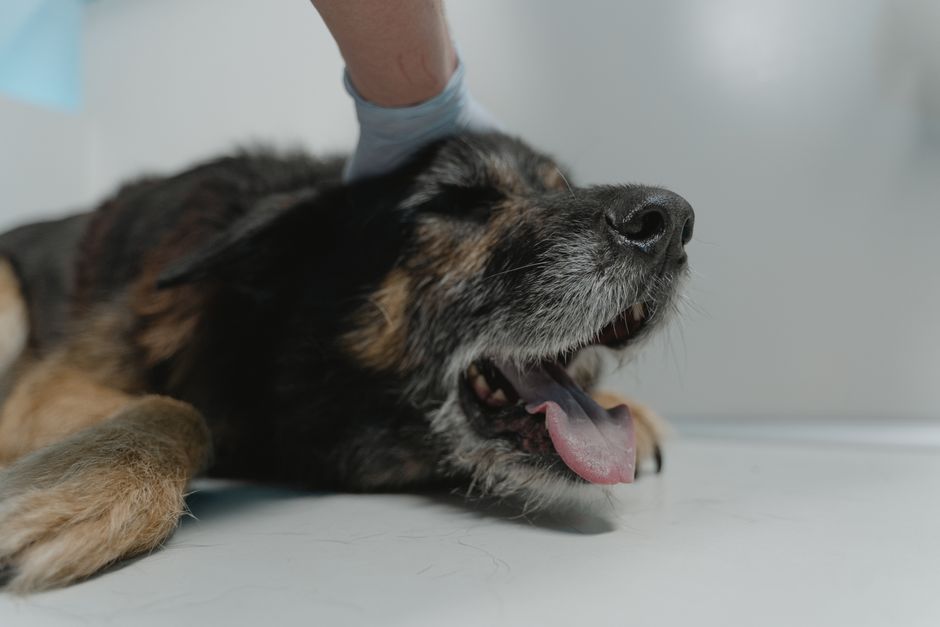
If your pet is struggling with cold weather discomfort, our team at Bradley Hills Animal Hospital offers a range of services to help diagnose and manage seasonal health concerns. For dogs and cats experiencing joint stiffness, limping, or signs of arthritis, our arthritis care and management services are tailored to provide relief and improve mobility. We use advanced diagnostics to evaluate the extent of joint changes and develop customized treatment plans that may include medications, supplements, or physical therapy options.
For pets showing signs of seasonal skin problems such as increased itching, dryness, or flaky skin, our veterinary dermatology services can help identify and treat underlying causes. We can recommend appropriate shampoos, topical therapies, or dietary adjustments to restore skin health and comfort during the driest months of the year.
Older dogs and cats often need extra care as temperatures drop. Our senior pet care services are designed to address the specific needs of aging animals, from managing chronic conditions to offering advice on environmental modifications that make life easier for older pets during the winter.
In addition, our team encourages regular comprehensive physical exams to monitor your pet’s wellness and catch any seasonal changes before they become serious health issues. These thorough checkups allow us to discuss preventive care, vaccination needs, and any concerns you may have about your pet’s response to colder weather.
Practical Home Care Tips for Cold Weather
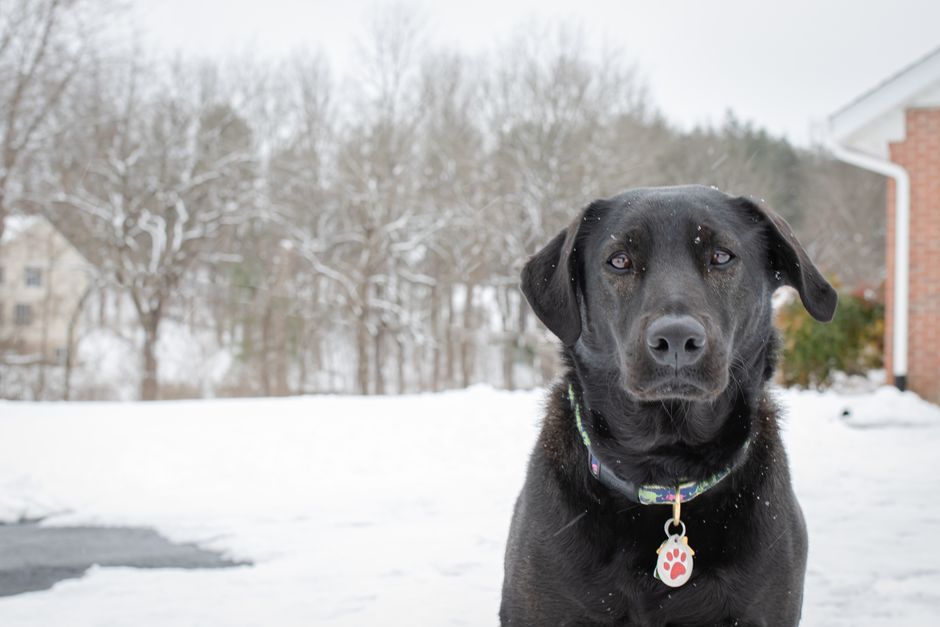
There are several steps you can take at home to protect your dog or cat from the chill and keep them comfortable as the weather changes. Ensuring that your pet has a warm, cozy sleeping area away from drafts is a simple yet effective way to maintain their body heat. For dogs, consider using a fitted sweater or coat during walks if they have short fur or seem sensitive to the cold. Cats may benefit from heated beds or blankets, especially if they are older or have arthritis.
Monitor your pet’s outdoor time, limiting walks and play sessions during the coldest parts of the day, and always dry them thoroughly after being outside. For pets prone to dry skin or paw problems, wiping their paws after walks can help remove salt and ice-melting chemicals, reducing irritation and preventing accidental ingestion during grooming. Using pet-safe moisturizers or paw balms can also help keep paw pads healthy.
Maintaining proper hydration is vital, as dry air can lead to increased water loss through the skin. Make sure your pet always has access to fresh water and consider using a humidifier in your home to support skin and respiratory health. For pets with joint issues, gentle, regular exercise indoors can help maintain flexibility and prevent stiffness. Be cautious with space heaters, electric blankets, and candles, as curious pets may accidentally burn themselves or knock these items over.
It is also important to keep potentially toxic substances such as antifreeze, de-icing salts, holiday plants, and rodenticides well out of your pet’s reach. If you suspect your dog or cat has ingested something harmful, contact our veterinary team immediately.
When to Seek Veterinary Care for Cold Weather Concerns
While many pets adjust well to the seasonal changes in Bethesda, some signs indicate it is time to schedule an appointment with our veterinary team. Persistent shivering, reluctance to move, ongoing limping, or signs of pain during or after walks should always be evaluated by a professional. If your pet develops raw or bleeding paw pads, experiences significant hair loss, or shows signs of severe itching that does not improve with home care, veterinary attention is necessary.
Additionally, sudden changes in behavior such as decreased appetite, hiding, or lethargy may signal that your dog or cat is not coping well with the cold or may have developed a medical issue. For more information on when to seek veterinary care for dog limping or joint pain, you can visit our dedicated dog limping and joint pain resource. Cat owners who notice their feline companion hiding or not eating should review our cat hiding and not eating guidance for additional support.
Prompt attention is especially critical for senior pets, those with chronic health conditions, or any animal that seems unusually distressed by the weather. Our veterinary professionals are here to help you determine whether your pet’s symptoms require in-person evaluation and to provide guidance on the best course of action.
Protecting Your Pet: Commitment to Year-Round Care
Caring for your dog or cat during the colder months in Bethesda does not have to be stressful. By staying alert to changes in your pet’s behavior, practicing good home care, and seeking timely veterinary support, you can ensure that your furry companions enjoy a safe, comfortable, and healthy season. At Bradley Hills Animal Hospital, our veterinary team is committed to providing high-quality care to pets in Bethesda and surrounding communities all year long.
If you are concerned about your pet’s health as the weather gets colder or have questions about preparing your home for the winter months, we encourage you to schedule an appointment with us. Our comprehensive senior pet care services, arthritis care and management, and dermatology services are all available to support your pet’s wellbeing this season. For those searching for a veterinarian near me, Bradley Hills Animal Hospital is here to help you every step of the way.
To book a visit or consult with our veterinary professionals, call (301) 365-5448 or stop by our convenient location at 7210 Bradley Blvd, Bethesda, MD 20817. Together, let’s keep your pets safe, warm, and healthy all winter long.