How to Spot Pet Allergies This March in Bethesda


How to Spot Pet Allergies This March in Bethesda
As the air warms and flowers begin to bloom in Bethesda, many pet owners start to notice their dogs and cats scratching, sneezing, or looking a little more uncomfortable than usual. If your pet seems itchier lately or you spot watery eyes and increased licking, you are not alone; springtime in Maryland often brings a spike in pet allergy symptoms. At Bradley Hills Animal Hospital, conveniently located at 7210 Bradley Blvd, Bethesda, MD 20817, we know how unsettling it can be to watch your beloved companion struggle with allergies. This blog will guide you through the signs of seasonal allergies in pets, explain why March is a challenging month for many animals, and share how our team of veterinarians can help your pet find relief. We will also provide proactive steps you can take at home and help you decide when it is time to schedule an appointment for professional support. If you are hoping to keep your pet comfortable and healthy this spring, you are in the right place.
Recognizing the Signs of Pet Allergies in March
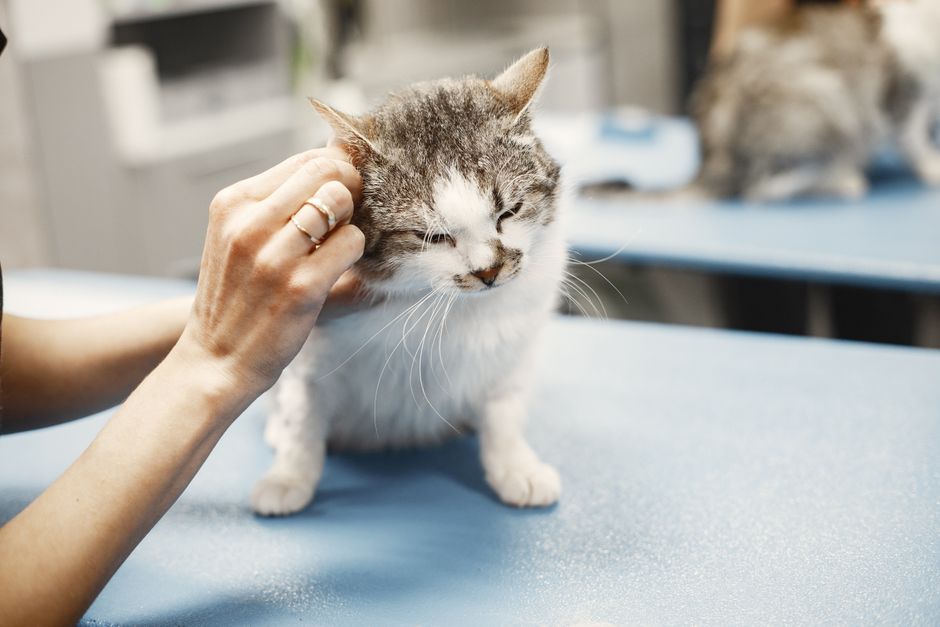
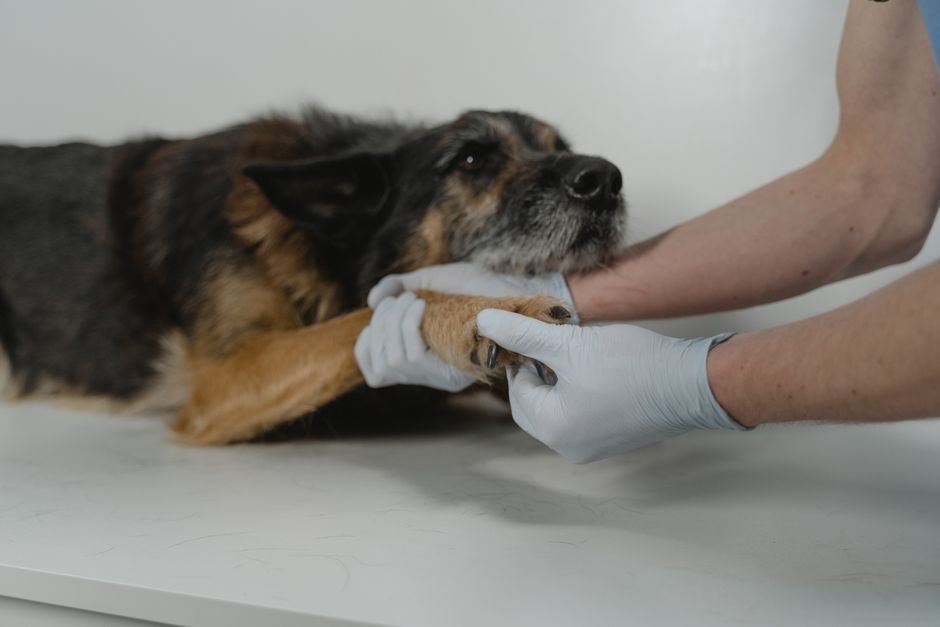
Spotting allergies in pets can sometimes be tricky, as symptoms often overlap with other common health issues. However, certain clues become more prominent as spring arrives in Bethesda. Key symptoms of allergies in dogs and cats include frequent scratching and licking, especially around the paws, face, or ears. You might also notice redness or irritation of the skin, recurrent ear infections, sneezing, or watery eyes. Some pets will chew at their feet or rub their face against furniture, while others may develop hot spots or hair loss in certain areas. Digestive upset, such as vomiting or diarrhea, can also manifest when allergies are severe. If your pet seems restless, is losing hair, or is developing scabs or sores, these are additional warning signs to consider.
March often intensifies these symptoms due to increased pollen from budding trees, early grasses, and blooming flowers. For some pets, indoor allergens like dust mites or mold may also become more active as homes are aired out for spring. If you notice your pet’s symptoms worsening every year around this time, seasonal allergies are a likely culprit. Monitoring for these changes and making note of when they occur can help our veterinary team at Bradley Hills Animal Hospital quickly pinpoint the cause and recommend targeted treatments.
Why Pet Allergies Flare Up in Bethesda Each Spring
Bethesda and the surrounding communities experience significant seasonal changes, which directly impact local pets. In March, the combination of rising temperatures, increased rainfall, and the explosion of pollen from local trees and plants creates the ideal environment for allergies to flare. While humans may reach for their tissues, dogs and cats cannot communicate their discomfort as easily. Instead, they show their distress through skin reactions, excessive grooming, or changes in behavior.
Common environmental triggers include tree and grass pollens, mold spores, and even certain insects that become active with warmer weather. Additionally, indoor allergens such as dust, household cleaners, and scented candles can exacerbate symptoms, especially when homes are closed up during late winter and early spring. Some pets have food allergies that may coincide with environmental triggers, making it even more challenging for owners to determine the exact cause.
It is important to understand that allergies are an immune response; your pet’s body is reacting to substances that are otherwise harmless for most animals. Genetics play a role, so some breeds are more susceptible, and pets with a history of allergies often experience recurring issues each year. Young pets can develop allergies, but symptoms may worsen as they get older, particularly if left untreated.
How Our Veterinary Team Diagnoses and Treats Pet Allergies
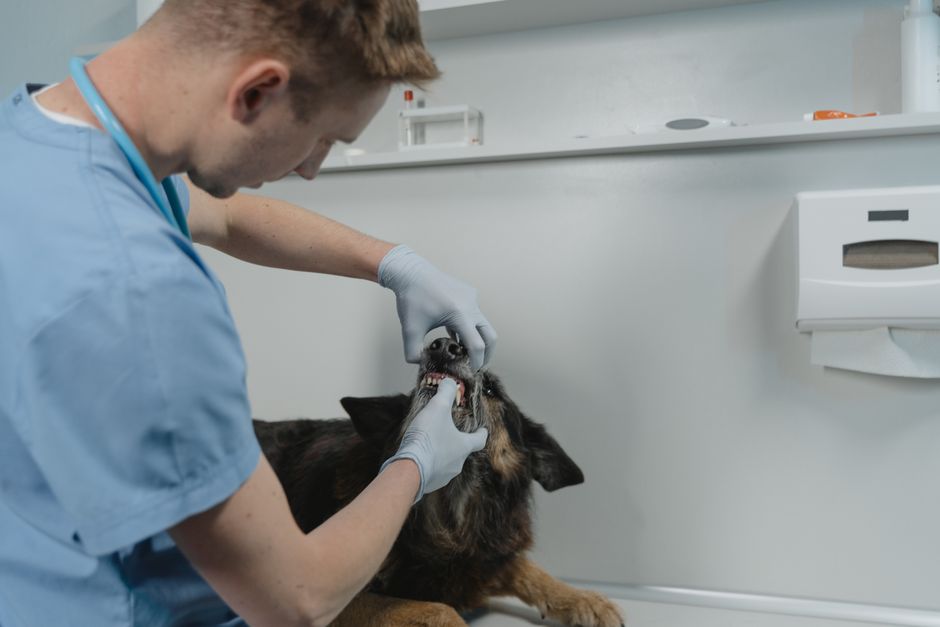
When you bring your pet to Bradley Hills Animal Hospital for allergy concerns, our veterinarians will begin with a thorough examination and a detailed history of your pet’s symptoms. We may ask about recent changes in the environment, diet, or any new products used at home. This comprehensive approach helps us narrow down the possible causes and recommend the most effective diagnostic tests.
For many pets, allergy testing services are a valuable tool. These tests can identify specific environmental or food allergens that trigger your pet’s reactions, allowing us to create a customized treatment plan. In some cases, our veterinary professionals may recommend blood tests, skin scrapings, or cultures to rule out infections or other skin conditions that can mimic allergy symptoms.
Treatment options for pet allergies in Bethesda typically involve a combination of strategies. Medications such as antihistamines, corticosteroids, or newer allergy-specific drugs can help control itching and inflammation. Our veterinarians may suggest medicated shampoos or topical therapies to soothe irritated skin and reduce secondary infections. For pets with recurrent ear issues, ear drops or regular cleanings may be prescribed.
Immunotherapy, often called “allergy shots,” is another option for pets with severe or persistent allergies. This approach gradually desensitizes your pet’s immune system to specific allergens, offering long-term relief for many animals. Dietary management can also play a role; if food allergies are suspected, we may recommend an elimination diet or hypoallergenic food trial.
Throughout your pet’s diagnosis and treatment, our veterinary team emphasizes ongoing monitoring and follow-up care. Regular comprehensive physical exams help us track your pet’s progress and adjust treatments as needed, ensuring the best possible outcome for your companion.
Home Care and Prevention: Steps You Can Take
While veterinary intervention is essential for managing pet allergies, there are several steps you can take at home to minimize your pet’s discomfort and prevent flare-ups. Regular bathing with a gentle, pet-safe shampoo can help remove pollen and allergens from your pet’s coat and skin. Wiping your dog’s paws after walks, especially during high-pollen days, reduces the amount of irritants brought into your home. Keeping windows closed during peak pollen times and using air purifiers may also help limit airborne allergens indoors.
Frequent vacuuming and washing of your pet’s bedding can further reduce exposure to dust mites and mold spores. For pets with food sensitivities, carefully reading ingredient labels and avoiding known triggers is critical. If your pet is on a prescribed allergy diet, consistency is key; avoid giving table scraps or treats that might contain allergens.
If you notice your pet scratching more after being outside or acting restless following certain activities, try to limit their exposure to those environments and consult your veterinarian for further guidance. Simple changes, such as choosing walking routes with fewer flowering plants or regularly grooming your pet, can make a significant difference.
When to Seek Veterinary Care for Pet Allergies
Allergy symptoms can sometimes be managed at home, but there are situations where professional care is essential. If your pet develops open sores, persistent hair loss, or seems to be in pain, these are clear signs that a veterinary evaluation is needed. Other warning signs that require prompt attention include swelling of the face or paws, difficulty breathing, or sudden vomiting and diarrhea. These could indicate a severe allergic reaction or another underlying health issue.
If you have tried home care strategies and your pet’s symptoms do not improve, or if allergies are interfering with your pet’s quality of life, it is time to contact our team at Bradley Hills Animal Hospital. Early intervention can prevent complications such as skin infections or chronic inflammation, and our veterinarians have access to specialized tools and treatments that go beyond what is available over the counter.
Our dermatology services are designed to address challenging skin and allergy conditions in pets. With advanced diagnostic options and a compassionate approach, we help pets in Bethesda and surrounding communities get back to feeling their best.
Supporting Your Pet Through Allergy Season: Next Steps
Spring in Bethesda is beautiful, but it can be a tough time for pets prone to allergies. By staying vigilant for early signs of discomfort, understanding why symptoms spike in March, and working closely with our veterinary team, you can help your dog or cat enjoy the season with less itching and more tail wags. Remember, allergies are a lifelong condition for many pets, but with the right management and ongoing care, most animals can lead happy, healthy lives.
If you are searching for a “vet near me” who truly understands the challenges of pet allergies in our local area, look no further than Bradley Hills Animal Hospital. Our veterinarians are here to answer your questions, offer expert advice, and create a treatment plan tailored to your pet’s unique needs. To schedule an appointment or discuss your pet’s symptoms, call us at (301) 365-5448 or visit our Bethesda location. You can also explore our allergy testing services and comprehensive physical exams for more information on how we can help. Let our veterinary professionals at Bradley Hills Animal Hospital partner with you to keep your pets comfortable and healthy all season long.
This article is for informational purposes only and should not replace professional veterinary care. Always consult your veterinarian for advice tailored to your pet’s specific health needs. For urgent concerns, contact your veterinary team immediately.