How to Keep Pets Safe in Bethesda’s March Weather

How to Keep Pets Safe in Bethesda’s March Weather
March in Bethesda brings an unpredictable mix of chilly temperatures, blustery winds, and damp days that can make pet care feel like a challenge. As a pet owner, you want your dog or cat to stay comfortable, healthy, and safe when the weather turns cold and wet. At Bradley Hills Animal Hospital, located at 7210 Bradley Blvd, Bethesda, MD 20817, our team of veterinarians understands the unique risks that March weather poses for pets in our community. In this guide, we will explore the most common weather-related dangers for dogs and cats during this season, highlight symptoms that warrant concern, and share expert tips for keeping your furry friends safe and healthy throughout the month. You will also learn when to schedule a veterinary visit, how routine care can prevent illness, and what to do if you notice any changes in your pet’s wellbeing. Our goal is to help you confidently care for your pet while enjoying everything Bethesda and surrounding communities have to offer during this transitional time of year.
Recognizing Signs Your Pet Is Struggling With March Weather
It is easy to assume that pets are naturally equipped to handle colder weather, but dogs and cats can be just as vulnerable to the effects of March’s unpredictable conditions as humans. Recognizing when your pet is uncomfortable or at risk is the first step in preventing illness or injury. Typical signs that your dog or cat may be struggling include shivering, persistent whining, or seeking extra warmth by burrowing under blankets or staying close to heaters. You may also notice reluctance to go outdoors, especially for walks or bathroom breaks, and in some cases, pets will develop dry or cracked paw pads from exposure to wet or icy surfaces.
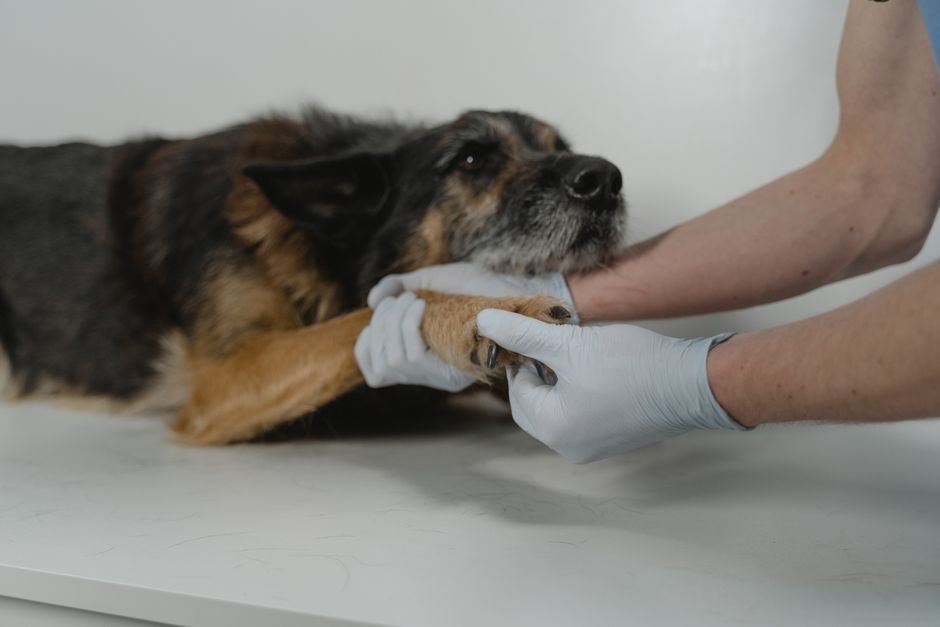
Another symptom to watch for is increased lethargy or a decrease in appetite, which can signal your pet is feeling unwell due to the cold. For cats, hiding more than usual or grooming excessively to keep warm can be early red flags. Dogs may limp or hold up their paws to avoid salt, ice, or chilly pavement. If your pet has a pre-existing health condition, such as arthritis or respiratory issues, you might see a worsening of symptoms during cold, damp days. These signs are your pet’s way of letting you know they need extra support and attention throughout the month of March.
Understanding the Risks: Why March Weather Is Challenging for Pets
March in Bethesda is marked by rapidly changing temperatures, frequent rain, and gusty winds. These conditions create several hazards for pets. Cold, damp air can lower body temperature, especially in smaller, short-haired, or elderly animals, making them susceptible to hypothermia. Persistent moisture and muddy conditions also increase the risk of skin infections, hot spots, and fungal issues, particularly if your pet’s fur remains wet after outdoor activity.
Another major concern is exposure to de-icing salts and antifreeze, which are often used on sidewalks and driveways during late winter and early spring. These substances can irritate paw pads or even cause poisoning if licked off fur or feet. Windy days can make even moderate temperatures feel much colder, and pets left outside for extended periods may struggle to stay warm. Allergens also begin to surface in March, which can exacerbate skin or respiratory symptoms in sensitive pets.
For senior pets or those with chronic health issues, the stress of fluctuating weather can trigger joint pain or breathing difficulties. Understanding these risks can help you anticipate your pet’s needs and make proactive adjustments to their daily routine.
Veterinary Care and Professional Management for March Weather Risks
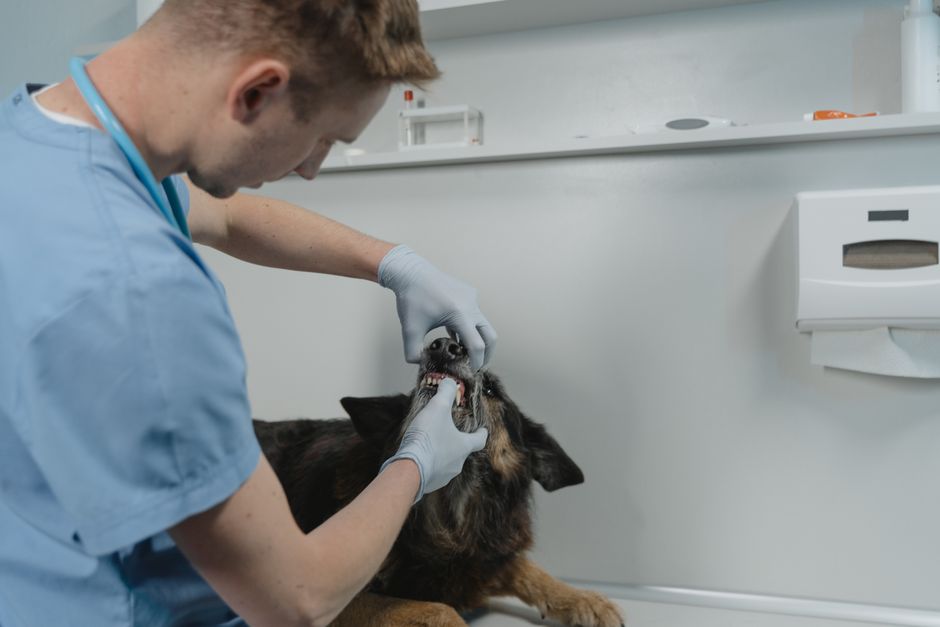
If you notice your pet showing signs of discomfort, illness, or weather-related injury, seeking prompt veterinary care is crucial. At Bradley Hills Animal Hospital, we offer comprehensive services to address the unique health challenges pets face in March. During a routine comprehensive physical exam, our veterinary team can check your pet’s body condition, skin, and joints, ensuring minor weather issues do not escalate into serious health problems.
Vaccination is another important aspect of preventive care during this season. Sudden changes in temperature and increased time spent indoors can raise the risk of respiratory infections, such as kennel cough in dogs or upper respiratory viruses in cats. By keeping your pet up-to-date with vaccination services, you protect them from contagious diseases that may circulate more in transitional seasons.
For pets with allergy symptoms that flare up as spring approaches, our allergy testing services can help identify triggers and guide personalized management. We also provide dermatology care for pets who develop skin issues due to dampness, environmental irritants, or de-icing agents. If your pet is a senior or has mobility challenges, our veterinarians are equipped to recommend arthritis management strategies tailored to your pet’s needs, helping to keep them comfortable despite the shifting weather.
Home Care and Prevention Strategies for a Safe March
Keeping your pet safe and comfortable during Bethesda’s unpredictable March weather starts with a few practical, everyday steps. First, limit your pet’s outdoor time during particularly cold, wet, or windy days. Short, frequent walks are safer than extended outings, especially for smaller or short-haired dogs. Always dry your pet’s paws and coat thoroughly with a towel after walks to reduce the risk of skin infections and prevent paw irritation from road salt or chemicals.
Consider outfitting your dog with a well-fitting coat or sweater to provide extra warmth, particularly for breeds that are not naturally insulated against the cold. Cats should be kept indoors, as they can easily become chilled or lost if startled by sudden gusts of wind or rain. If your pet must go outside, supervise them closely, and provide a dry, sheltered area for brief outdoor exploration.
Maintaining a clean, dry living environment indoors is equally important. Ensure your pet’s bedding is away from drafts and replace damp blankets frequently. Regular grooming can help remove debris and moisture from your pet’s coat, while inspecting paws for cracks or redness helps catch problems early. For pets with known allergies, monitor for sneezing, itchy skin, or watery eyes, and discuss any changes with your veterinarian.
Staying on schedule with annual or semi-annual exams allows your veterinary team to catch and address weather-related health changes before they become serious. These appointments also give you an opportunity to ask about nutrition, supplements, or specific products that can support your pet through the season.
When to Schedule a Veterinary Visit: Recognizing When Your Pet Needs Help
Knowing when to seek professional care can make all the difference in your pet’s health and comfort. If your pet is shivering uncontrollably, showing persistent signs of lethargy, or refuses to eat or drink, a veterinary exam is recommended. Other warning signs include limping, excessive paw licking, open sores, or any sudden changes in breathing. Pets who develop a harsh cough, nasal discharge, or difficulty moving in damp weather should also be evaluated promptly.
Chronic conditions such as arthritis, respiratory illnesses, or skin allergies can flare up during transitional weather; if you notice a worsening of symptoms, do not wait for your pet to “tough it out.” Our veterinary professionals are trained to recognize subtle changes and can recommend adjustments to medications, diet, or home care routines. Senior pets, in particular, benefit from regular senior pet care visits to monitor mobility and overall wellbeing as the seasons change.
If you are ever unsure whether your pet’s symptoms warrant an appointment, it is always safer to call us for guidance. Timely veterinary attention helps keep minor issues from becoming major health concerns.
Conclusion: Protecting Your Pet With Expert Care in Bethesda
March weather in Bethesda can be tough on pets, but with a little preparation and support from your veterinary team, your dog or cat can enjoy a safe, healthy transition into spring. Watch for early signs of discomfort, limit exposure to harsh conditions, and maintain routine preventive care. When in doubt, our veterinarians at Bradley Hills Animal Hospital are here to help you navigate seasonal challenges with confidence.
If you are searching for a trusted "vet near me" to guide you through Bethesda’s unpredictable weather, our team is ready to support you and your pet every step of the way. Whether you need to schedule a wellness exam, update vaccinations, or discuss specific concerns about allergy symptoms or skin health, we invite you to reach out to our caring veterinary professionals.
Contact Bradley Hills Animal Hospital at (301) 365-5448 or visit us at 7210 Bradley Blvd, Bethesda, MD 20817 to schedule an appointment. For more information on our services, including comprehensive physical exams and allergy testing, explore our website or speak to a member of our veterinary team today. Your pet’s safety and comfort are our highest priorities, no matter what the March weather brings.
This blog is intended for informational purposes only and should not be used as a substitute for professional veterinary advice. If your pet is experiencing severe symptoms or a medical emergency, contact your veterinarian immediately.