Heartworm Testing: Why Bethesda Pets Need Annual Screening

Heartworm Testing: Why Bethesda Pets Need Annual Screening
Every pet owner wants to know they are doing everything possible to protect their dog or cat from serious illness. One of the most important steps you can take is making heartworm testing a yearly priority. At Bradley Hills Animal Hospital, located at 7210 Bradley Blvd, Bethesda, MD 20817, our team of veterinarians is dedicated to helping pets in Bethesda and surrounding communities stay safe from heartworm disease. In this blog, you’ll learn why annual heartworm testing is essential for both dogs and cats, how the process works, what symptoms to watch for, and how prevention keeps your companion healthy throughout every season.
Heartworm disease can strike silently, and Bethesda’s changing weather means mosquitoes—and the risks they bring—often linger longer than many realize. By understanding why heartworm testing matters and scheduling regular screening, you can help ensure your pet enjoys a longer, healthier life. Read on to discover everything you need to know about heartworm risks, testing, prevention, and when to speak with your veterinary team at Bradley Hills Animal Hospital.
Recognizing the Risk: Signs Your Pet Needs Heartworm Testing
Many pet owners believe heartworm is only a concern during the hottest months, but in reality, the risk can persist well into the fall in Bethesda. Heartworm disease is caused by parasitic worms that are transmitted through mosquito bites. Unfortunately, symptoms often develop very slowly, and pets may not show any obvious signs in the early stages.
Key symptoms of heartworm disease in dogs include a persistent cough, reluctance to exercise, fatigue after moderate activity, decreased appetite, and weight loss. In more advanced cases, dogs might experience difficulty breathing or a swollen abdomen due to fluid accumulation. Cats can display subtle signs such as coughing, vomiting, loss of appetite, or weight loss; in some cases, sudden collapse or even sudden death can occur without warning. Because these symptoms are not unique to heartworm disease and may resemble other conditions, annual heartworm testing is the only reliable way to detect infection early.
If your pet spends any time outdoors, even for short walks or play sessions, they are at risk. Indoor pets are not immune either, as mosquitoes can easily enter homes. If your dog or cat has missed a dose of preventive medication or if you have recently adopted a pet with an unknown medical history, heartworm testing should be considered right away.
How Heartworm Disease Develops: Understanding Transmission and Risks
Heartworm disease is caused by the parasite Dirofilaria immitis, which is carried by infected mosquitoes. When a mosquito bites an infected animal, it picks up microscopic heartworm larvae. These larvae develop inside the mosquito and are then passed on to another dog or cat when the mosquito feeds again. Once inside your pet, the larvae travel through the bloodstream and mature in the heart, lungs, and associated blood vessels, causing significant damage over time.
Bethesda’s warm climate and seasonal mosquito activity make local pets especially vulnerable. Because the development of heartworm infection is a gradual process, it is possible for dogs and cats to be infected for months before showing symptoms. Regular heartworm testing is crucial, as it allows early detection and timely intervention, preventing the severe complications that can arise from advanced heartworm disease.
Additionally, cats are not the typical host for heartworms, but they can still become infected and develop a condition known as heartworm-associated respiratory disease (HARD). This means heartworm testing is important for both dogs and cats, regardless of whether they primarily live indoors or outdoors.
The Heartworm Testing Process: What to Expect at Bradley Hills Animal Hospital
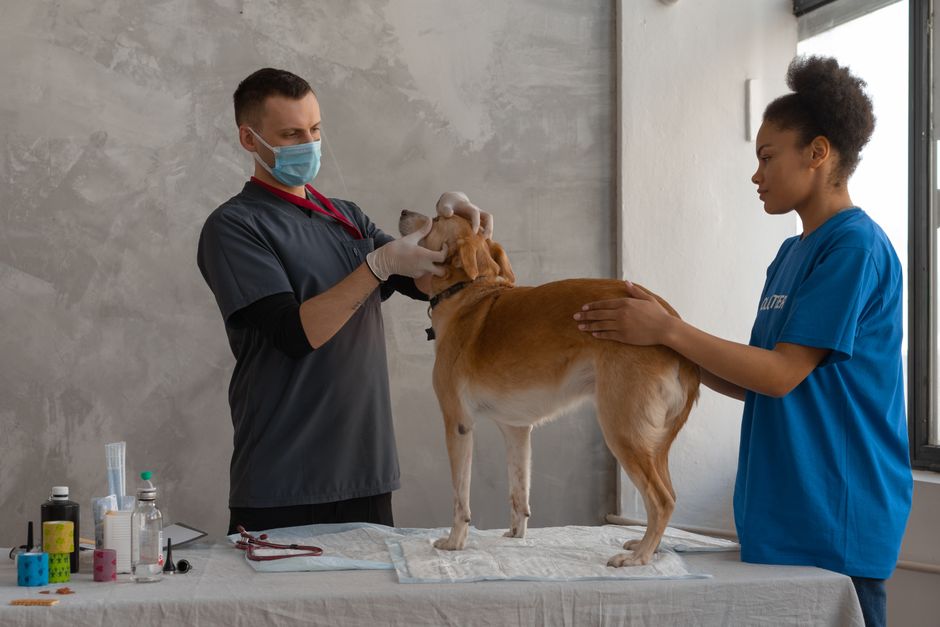
When you schedule an appointment for heartworm testing at Bradley Hills Animal Hospital, our veterinary team will begin with a thorough review of your pet’s health history and current preventive care. For dogs, testing typically involves a simple blood sample that is analyzed for heartworm proteins released by adult female heartworms. Results are usually available quickly, allowing our veterinarians to proceed with preventive recommendations or, in the rare case of a positive result, to discuss next steps for treatment.
Cats require a slightly different approach, as heartworm infections can be more challenging to detect. Our veterinarians may recommend both antigen and antibody blood tests to provide the most accurate picture of your cat’s heartworm status. In some cases, additional diagnostic imaging may be suggested.
Annual heartworm testing is often performed as part of a comprehensive physical exam or during your pet’s regular wellness visit. This ensures your pet’s overall health is assessed alongside their parasite prevention needs. Our veterinary professionals will review your pet’s risk factors and help you establish a routine schedule to keep your companion protected year after year.
Prevention and Home Care: How to Protect Your Dog or Cat
Preventing heartworm disease is far easier—and safer—than treating it. The most effective strategy involves a combination of annual heartworm testing and regular use of veterinarian-recommended preventive medications. These medications, available in oral, topical, or injectable forms, work by eliminating heartworm larvae before they can mature and cause harm.
Consistent prevention is essential, as missing even a single dose can leave your pet vulnerable. Your veterinarian will help you choose the right preventive product for your dog or cat, taking into account their age, weight, lifestyle, and any underlying health conditions.
At home, steps to reduce mosquito exposure include keeping screens in good repair, emptying standing water around your yard, and avoiding outdoor activities during peak mosquito hours when possible. However, since no method can completely eliminate the risk, heartworm testing remains a critical part of your pet’s preventive care routine.
When to Schedule Heartworm Testing and Seek Veterinary Advice
It’s important to schedule annual heartworm testing for all dogs and cats, even if they are already on monthly preventives. Testing is especially important before starting a new prevention regimen, if your pet has missed or delayed doses, or if you’ve recently adopted a new companion with an unknown medical background. Puppies and kittens typically begin heartworm prevention around eight weeks of age, with testing starting at about seven months, as recommended by your veterinarian.
If you notice any signs of coughing, difficulty breathing, unexplained fatigue, or changes in appetite or weight, contact your veterinary team promptly. These symptoms could be related to heartworm disease or another serious health issue, and timely evaluation is essential. At Bradley Hills Animal Hospital, our veterinarians are committed to providing clear guidance and compassionate support whenever you have concerns about your pet’s health.
In addition to heartworm testing, we recommend regular diagnostic laboratory services to monitor your pet’s overall wellness and catch potential problems early. Our team will work with you to develop a personalized preventive care plan tailored to your pet’s unique needs.
Why Annual Heartworm Testing Matters for Bethesda Pets
As seasons shift in Maryland, heartworm disease remains a threat that pet owners cannot afford to overlook. Because symptoms are so subtle in the early stages, annual heartworm testing is the only way to ensure your dog or cat is truly protected. Regular screening not only allows for early intervention and treatment if needed, but it also supports peace of mind knowing you are doing everything possible for your companion’s health.
Bethesda’s climate, with its warm springs and extended fall mosquito activity, means prevention and testing should be a year-round commitment. Even if your pet spends most of their time indoors, the risk is never zero. By partnering with your local veterinary team, you equip yourself with the knowledge and resources to keep your companion healthy in every season.
Schedule Your Pet’s Heartworm Testing at Bradley Hills Animal Hospital
Your pet’s wellbeing is our top priority at Bradley Hills Animal Hospital. If you are searching for a "vet near me" who truly understands the importance of preventive care, look no further than our experienced veterinary team in Bethesda. We encourage all pet owners to schedule their annual heartworm testing appointment, especially as seasonal risks change in our region.
To book your pet’s screening or to discuss your prevention options, contact us at (301) 365-5448 or visit our welcoming facility at 7210 Bradley Blvd, Bethesda, MD 20817. Our veterinarians are here to answer your questions and provide the compassionate, comprehensive care your companion deserves. For more information about heartworm testing and preventive wellness visits, explore our website or call to schedule an appointment today. Together, we can help your pet live a longer, healthier life—protected from heartworm disease in every season.
Disclaimer: This blog is intended for educational purposes only and is not a substitute for professional veterinary advice. Always consult with your veterinarian for specific questions or concerns regarding your pet’s health.