Common Summer Skin Problems in Bethesda Pets


Common Summer Skin Problems in Bethesda Pets
As the temperatures rise and days grow longer in Bethesda and surrounding communities, many pet owners notice their dogs or cats scratching more than usual, developing red patches, or losing fur. Summer brings plenty of outdoor fun for pets, but it also introduces a host of skin problems that can leave your companion itchy and uncomfortable. At Bradley Hills Animal Hospital, located at 7210 Bradley Blvd, Bethesda, MD 20817, our veterinary team frequently sees an uptick in skin concerns during the warmer months. Understanding what’s causing your pet’s discomfort and knowing when to seek professional care can make all the difference in keeping your pet happy and healthy throughout the summer.
In this blog, we’ll explore the most common summer skin problems affecting Bethesda pets—such as allergies, hot spots, and parasite-related issues—while offering guidance on how to recognize, manage, and prevent these conditions. We’ll also share how the experienced veterinarians at Bradley Hills Animal Hospital can help diagnose and treat these problems with services like veterinary dermatology and allergy testing tailored to your pet’s needs.
Recognizing Summer Skin Problems in Dogs and Cats
Summer skin conditions often start subtly but can quickly progress if left untreated. As a pet owner, it is important to recognize the early warning signs that something might be bothering your dog or cat’s skin. Common symptoms include persistent scratching, licking, or chewing at specific areas of the body. You might also notice redness, swelling, hair loss, or scabs. Some pets will develop moist, oozing sores known as hot spots, which can appear suddenly and worsen rapidly.
In addition to these visible changes, other signs such as head shaking, rubbing the face or ears against furniture, or restlessness may indicate skin irritation. Cats, in particular, might groom excessively, leading to bald patches or tiny scabs scattered over the skin. Any of these symptoms, especially if they last more than a day or two or seem to be getting worse, should prompt closer attention and possibly a visit to your veterinarian.
Why Do Skin Problems Flare Up in the Summer?
Several factors contribute to the rise in skin problems during the summer months. Warmer weather and higher humidity create the perfect environment for certain parasites and bacteria to thrive. Fleas, ticks, and even some types of mites are more active, increasing the risk of bites or infestations that can trigger intense itching and allergic reactions.
Environmental allergens are another major culprit. Grasses, weeds, pollen, and mold spores are abundant in the Bethesda area during summer. Dogs and cats can develop allergic reactions after contact with these substances, which often leads to inflamed, itchy skin. Some pets are especially sensitive and may develop atopic dermatitis, a chronic skin condition linked to allergies.
Other summer skin problems can arise from increased outdoor activity. Swimming in lakes or playing in damp grass exposes your pet to bacteria and fungi that can cause skin infections. Sunburn is also a risk, particularly for pets with light-colored or thin coats. Hot, humid weather can lead to moisture getting trapped in skin folds or between toes, promoting bacterial and yeast overgrowth.
How Bradley Hills Animal Hospital Diagnoses and Treats Summer Skin Issues
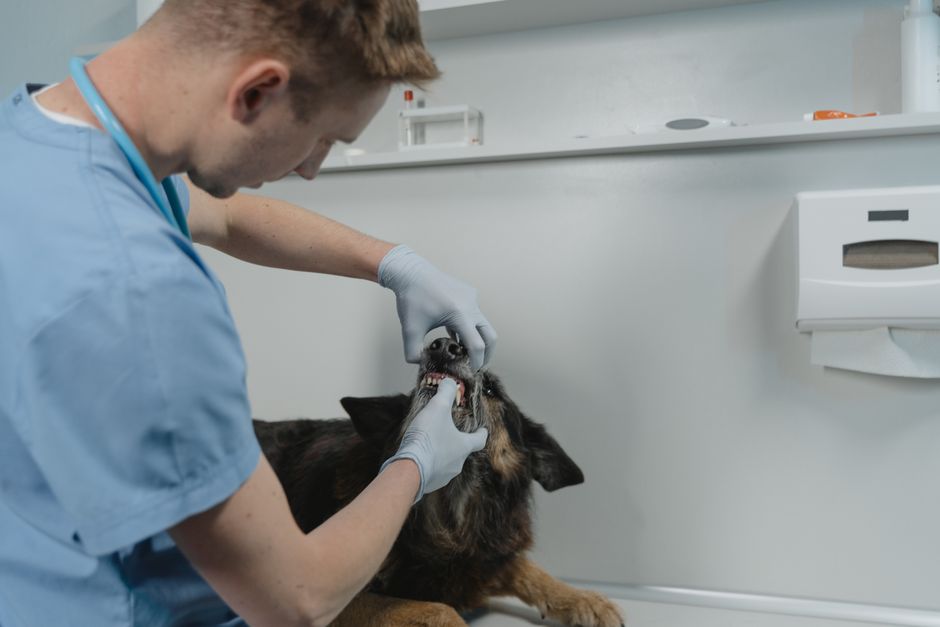
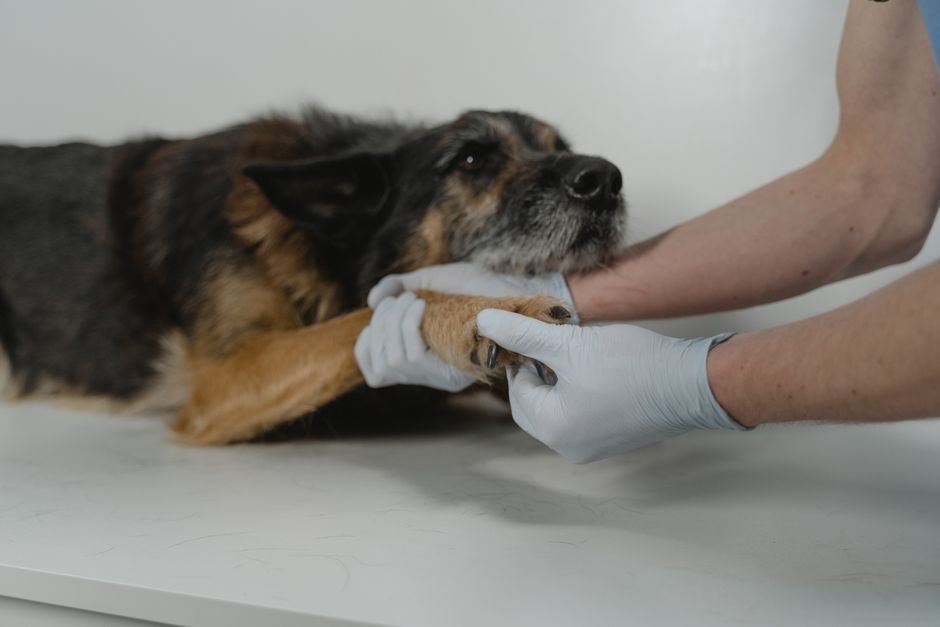
When your pet is suffering from a skin problem, a thorough evaluation is the first step toward relief. At Bradley Hills Animal Hospital, our veterinarians start by performing a comprehensive physical exam to assess your pet’s overall health and pinpoint the nature and extent of the skin issue. We ask about your pet’s recent activities, diet, and any changes in their environment, which can reveal important clues.
Diagnostic testing may include skin scrapings, cytology (examining skin cells under a microscope), fungal cultures, or bloodwork. For persistent or complex cases, we offer advanced allergy testing services to help identify specific triggers, whether they are environmental, food-related, or due to parasites.
Treatment recommendations depend on the underlying cause. For allergies, management may involve medicated shampoos, topical sprays, or oral medications to control itching and inflammation. If parasites are present, we prescribe safe and effective preventives and treatments. Infections are addressed with antibiotics or antifungal medications as needed. Hot spots and other acute lesions are treated with gentle cleaning, topical medications, and sometimes trimming the surrounding fur to promote healing. Our veterinary dermatology services ensure that each pet receives a customized treatment plan aimed at both immediate relief and long-term management.
Preventing Summer Skin Problems at Home
While some skin issues are unavoidable, many can be minimized with proactive care at home. Start by keeping your pet on a veterinarian-recommended flea and tick prevention program all year round, but especially during peak parasite season. Bathing your dog regularly with a gentle shampoo can help remove allergens and irritants from the coat; just be sure not to over-bathe, as this can dry out the skin.
After outdoor adventures, check your pet for ticks, burrs, or signs of irritation. Wipe down their paws and underside to remove pollen and debris. For pets that swim or get wet, thoroughly dry their fur and skin folds to prevent moisture from lingering and causing infections. If your pet is prone to allergies, consider limiting outdoor time during high pollen counts or after lawn mowing. Providing clean, cool water and shaded areas will help reduce heat stress that can worsen skin conditions.
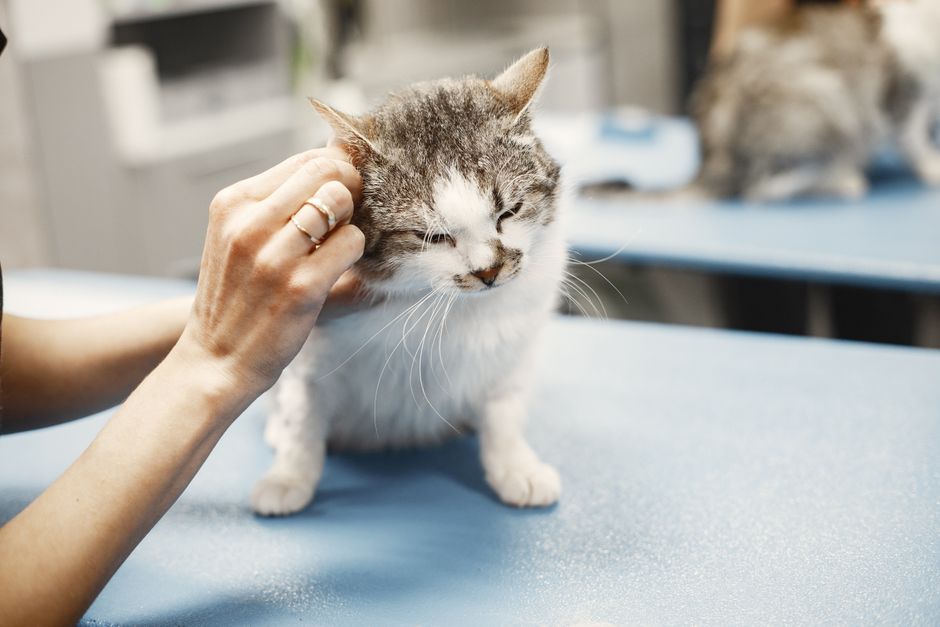
Cats benefit from regular grooming to remove loose fur and help prevent matting, which can trap dirt and allergens. Watch for subtle signs of over-grooming or skin changes, as cats often hide discomfort until problems become advanced.
When to Schedule a Veterinary Visit for Your Pet’s Skin
While minor itching or mild seasonal shedding is often normal, persistent or severe skin problems should never be ignored. If your dog or cat is losing hair, developing red or raw patches, experiencing repeated ear infections, or seems genuinely uncomfortable, it is time to contact your veterinarian. Sudden appearance of hot spots, wounds that do not heal, or any sign of pain or swelling also warrant prompt evaluation.
Some skin issues, especially those related to allergies or infections, can worsen quickly without appropriate care. Early intervention from a veterinary professional helps prevent complications and provides your pet with much-needed relief. At Bradley Hills Animal Hospital, we encourage pet owners to reach out at the first sign of trouble so we can work together to keep your companion comfortable and healthy.
Keeping Bethesda Pets Comfortable All Summer Long
Summer can be a wonderful time for your pet to explore, play, and spend time with the family. However, the season’s unique challenges mean that skin health deserves extra attention. By staying alert to changes in your pet’s behavior or appearance and practicing preventive care at home, you can minimize the risk of skin problems disrupting your pet’s summer fun.
If you notice any signs of discomfort or suspect your dog or cat may be struggling with a summer skin issue, the veterinary team at Bradley Hills Animal Hospital is here to help. Our experienced veterinarians will diagnose the problem and tailor a treatment plan suited to your pet’s specific needs, using advanced dermatology services and allergy testing as needed. When searching for a veterinarian near me who understands the unique needs of Bethesda pets, consider the trusted care available at our convenient Bethesda location.
To schedule an appointment or learn more about our services, call (301) 365-5448 or visit our website. Let us help your pet enjoy a comfortable, itch-free summer with compassionate, expert veterinary care.